

Nearly three decades after the tragic events of August 31, 1997, which claimed the life of Diana, Princess of Wales, the global fascination with her life, legacy, and final moments remains undiminished. While millions mourned her passing during an unprecedented wave of public grief, a persistent shadow of speculation has continued to hover over one deeply personal detail: where is Diana actually buried?
The official, documented account provides a clear and unwavering answer. Princess Diana rests on a secluded, tree-fringed island in the middle of the Oval Lake at Althorp Estate, the historic Northamptonshire home of the Spencer family for centuries. Yet, the extreme secrecy surrounding the immediate aftermath of her funeral, coupled with intense public interest, has given rise to alternative theories, conspiracy myths, and persistent rumors that suggest her body lies elsewhere. Examining the official chronology, the logistical decisions made by the Spencer family, and the enduring myths reveals why this geographic mystery continues to captivate the public imagination.
The Official Chronology of the Funeral and Burial
The journey to Diana’s final resting place unfolded over a heavily scrutinized week in late August and early September 1997. Following her death in a high-speed car crash in Paris, her body was repatriated to the United Kingdom by her former husband, the then-Prince of Wales, and her two sisters, Lady Sarah McCorquodale and Lady Jane Fellowes.
On September 6, 1997, a state-style ceremonial funeral was held at Westminster Abbey, drawing an estimated television audience of 2.5 billion people worldwide, while an estimated one million mourners lined the streets of London. Following the service, her coffin was transported by hearse the approximately 80 miles north to Northamptonshire.
Unlike the public pageantry in London, the burial at Althorp was strictly private. Attended exclusively by her closest family members—including her grieving sons, Prince William, aged 15, and Prince Harry, aged 12—alongside her father-figure brother Earl Spencer and other immediate relatives, the ceremony offered a stark contrast to the global spectacle witnessed hours earlier. The Bishop of Peterborough presided over the consecration of the burial site, sealing the coffin’s placement on the Oval Island.
The Deciding Factor: Security, Privacy, and the Shift in Plans
To understand why conspiracy theories persist, one must examine the frantic logistical planning that took place in the days between Diana’s death and her burial. Initially, public statements and family considerations pointed toward a very different location: the traditional Spencer family vault.
Located at St Mary the Virgin Church in the nearby village of Great Brington, the family vault houses generations of Spencers, including Diana’s beloved father, John Spencer, the 8th Earl Spencer, who passed away in 1992. For many observers, it seemed logical that Diana would be laid to rest alongside her ancestors.
However, in interviews given shortly after the funeral in September 1997, Earl Spencer revealed that plans had to be drastically altered. The sheer, unprecedented volume of public grief and media obsession posed a severe security risk. The family realized that burying Diana in an accessible churchyard like St Mary the Virgin would transform the site into an unmanageable tourist attraction and a permanent media circus, disrupting local residents and denying her sons a private space to mourn their mother.
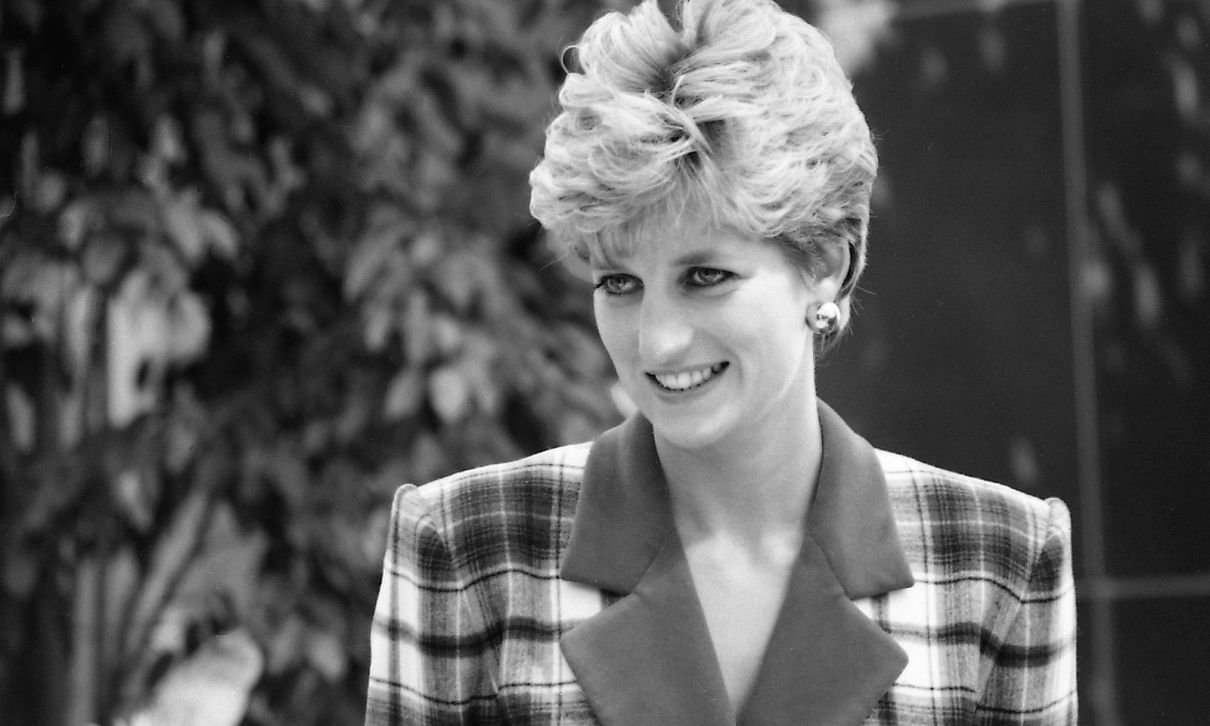
Consequently, the Oval Lake at Althorp was chosen. Surrounded by water, the island offered a natural barrier against intrusion. A specially planted path lined with 36 mature oak trees—symbolizing each year of the Princess’s life—leads toward the water, complemented by a quiet memorial summerhouse. Visitors to the estate are permitted to walk the perimeter of the lake to pay their respects, but stepping onto the island itself remains strictly forbidden to the public and press alike.
Persistent Theories and the Great Brington Vault Myth
Despite the definitive statements from the Spencer family and the physical realities of the Althorp estate, rumors regarding the true location of Diana’s grave have refused to fade.
The most prominent theory contends that the late Princess was secretly buried in the dark, secure confines of the St Mary the Virgin church vault under the cover of night, prior to or immediately following the public ceremonies, to protect her remains from potential grave desecration or obsessive fans. Proponents of this theory argue that the Oval Island burial was merely an elaborate public relations distraction designed to deter crowds from overwhelming the sleepy village of Great Brington.
These rumors have periodically resurfaced in the tabloid press and online forums. In 2020, the speculation received renewed traction when sensationalized claims emerged in print media alleging that paranormal sightings—specifically purported images of a "ghost" resembling Diana at the Great Brington church—served as proof that her body lay within the vault rather than on the island. Historians, biographers, and representatives of the Spencer family have repeatedly dismissed these claims as baseless folklore, emphasizing that no credible evidence has ever contradicted the official narrative.
Broader Impact and the Psychology of Royal Grief
The tenacity of these burial conspiracy theories offers a fascinating case study in modern collective psychology. Diana’s death marked a watershed moment in contemporary British history, shattering the emotional equilibrium of a nation and triggering a tidal wave of public mourning that many sociologists compare to the grief traditionally reserved for reigning monarchs.
Because her passing felt sudden, shocking, and profoundly unfair, a segment of the public struggled to accept the finality of her loss. In the absence of a publicly accessible grave—unlike monarchs buried within Windsor Castle or Westminster Abbey—the shroud of mystery surrounding the Oval Island created a vacuum. In modern myth-making, restricted access frequently breeds speculation; when the public cannot physically verify a site, alternative narratives easily take root.
Furthermore, the protection of the grave site reflects the fierce protective stance taken by Earl Spencer and Prince William and Prince Harry. Throughout their adult lives, both Princes have spoken candidly about the trauma of walking behind their mother’s coffin at such a tender age and the ongoing struggle to process their grief under the relentless glare of the global media. The sanctuary of the Oval Island was designed precisely to mitigate this intrusion, ensuring that Diana’s memory could be honored away from commercialization and sensationalism.
Conclusion: The Unchanging Truth at Althorp
Nearly thirty years on, the debate over Diana’s final resting place remains a testament to her enduring global footprint. While conspiracy theories and tabloid rumors will likely continue to surface among those searching for hidden truths, the official record remains solid, anchored by the consistent testimony of the Spencer family.
For the hundreds of thousands of admirers who journey to the gates of the Althorp estate each summer, the answer is visible across the quiet waters of the Oval Lake. Though the island itself remains shrouded by trees and strict seclusion, it stands as a permanent, peaceful sanctuary for a woman whose life and legacy reshaped the British monarchy and captured the heart of the world.