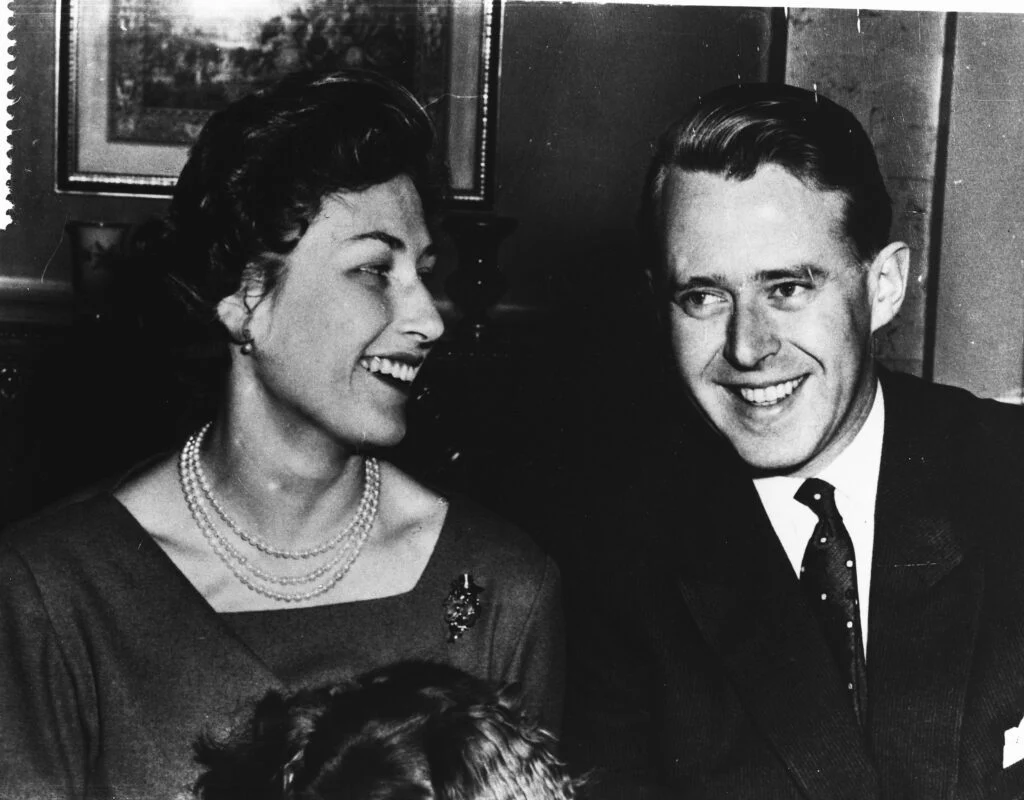

The death of Princess Astrid of Norway at the age of 94 marks the end of an extraordinary era for the Scandinavian monarchy, closing the chapter on a life defined by quiet resilience, public duty, and a historic romance that permanently altered the traditions of the Norwegian court. Princess Astrid, the second daughter of King Olav V and Crown Princess Märtha, passed away on September 11, just days after mourning the loss of her younger brother, King Harald V. Her death not only deprives Norway of one of its most cherished public figures but also recalls a pivotal period in the 20th-century evolution of European royalty, wherein rigid dynastic expectations first began to clash with personal autonomy.
Main Facts and the Passing of an Era
Princess Astrid Maud Ingeborg was born on February 12, 1932, at Villa Solbakken in Oslo, entering a world governed by strict protocol, aristocratic lineage, and the impending tumult of the Second World War. Over a decades-long public life, she transitioned from a wartime royal refugee to the de facto first lady of Norway during a crucial formative era for the modern state.
Her passing follows closely upon the death of her brother, King Harald V, who passed away on August 28 at the age of 88. Princess Astrid had attended her brother’s state funeral just two days prior to her own death, demonstrating a final, steadfast commitment to familial and national duty that characterized her entire existence. Following her passing, current royal officials and members of the Norwegian government issued statements honoring her decades of selfless service, recalling her as a foundational pillar who steadied the House of Glücksburg through periods of profound personal and institutional transition.
Chronology of a Royal Life
The life of Princess Astrid unfolded against a backdrop of historic national upheavals and personal milestones:
- February 12, 1932: Princess Astrid is born in Oslo, the second daughter of then-Crown Prince Olav and Crown Princess Märtha.
- 1940–1945: Amidst the Nazi German invasion of Norway, the young princess, alongside her mother and siblings, flees into exile, spending the war years safely residing in Washington, D.C., while her father and grandfather, King Haakon VII, direct the resistance from London.
- April 5, 1954: Crown Princess Märtha passes away after a prolonged illness, a devastating loss that profoundly shapes the young princess’s future responsibilities.
- 1957: Following the death of King Haakon VII, King Olav V ascends to the throne. Because her older sister, Princess Ragnhild, had married industrialist Erling Lorentzen in 1953 and relocated to Brazil, Princess Astrid assumes the demanding role of first lady of the Norwegian court.
- January 12, 1961: Princess Astrid marries businessman and Olympic sailor Johan Martin Ferner at the Church of Asker in a controversial, low-key ceremony, relinquishing her style of Royal Highness in the process.
- 1968: Crown Prince Harald marries Sonja Haraldsen, allowing Princess Astrid to step back from her primary role as first lady, though she continues an active schedule of royal patronages and official duties.
- January 24, 2015: Johan Martin Ferner passes away at the age of 87, leaving behind his wife and their five children: Cathrine, Benedikte, Alexander, Elisabeth, and Carl-Christian.
- August 28, 2025: King Harald V passes away, plunging the royal family into mourning.
- September 9, 2025: Princess Astrid attends the state funeral of her brother, King Harald V.
- September 11, 2025: Princess Astrid passes away peacefully at the age of 94.
Background Context: The 1961 Marriage Crisis
To fully understand the significance of Princess Astrid’s life, one must examine the societal strictures of post-war Europe. When Astrid fell in love with Johan Martin Ferner—a divorced commoner and a silver-medal-winning Olympic sailor—the royal establishment viewed the match as an existential threat to the crown’s prestige. In the 1950s and early 1960s, European monarchs were still expected to marry within a shrinking pool of eligible princes and princesses to maintain dynastic alliances and legitimacy. Furthermore, Ferner’s status as a divorcée compounded the controversy in a socially conservative era deeply influenced by traditional state-church relations.
King Olav V, known for his modernizing instincts and deep connection to the Norwegian people, ultimately granted his royal consent to the union. However, finding a clergyman willing to perform the ceremony proved remarkably difficult. The Bishop of Oslo refused to officiate, as did the local minister at the Asker church. Ultimately, the Bishop of Nidaros stepped forward to bridge the institutional divide, allowing the wedding to proceed on January 12, 1961.
The ceremony itself broke centuries of precedent. Held in a small country church accommodating roughly 200 guests, it conspicuously lacked state representatives and the customary glittering array of European royalty. Eschewing tradition, the bride wore a winter-white point d’esprit gown adorned with silver embroidery, topped not by a tiara, but by a simple tulle veil secured with fresh flowers. Most symbolic of all was her change in formal walking into the sanctuary as Her Royal Highness Princess Astrid, she walked out as Princess Astrid, Mrs. Ferner, having relinquished her predicate at the altar.
Institutional Continuity and Public Duty
Despite the loss of her official royal style, Princess Astrid’s practical value to the Norwegian court remained indispensable. With Princess Ragnhild residing in South America and Crown Prince Harald still navigating his own protracted, controversial courtship with commoner Sonja Haraldsen—which would not culminate in marriage until 1968—the monarchy faced a severe shortage of female representation.
Princess Astrid seamlessly bridged this gap. She continued to stand by her father’s side, hosting state banquets, greeting foreign dignitaries, and representing the nation at home and abroad. Her dedication ensured that the daily functions of the court experienced no interruption during a vulnerable transitional period for the institution.
Even after stepping back from the front lines of royal representation following Harald and Sonja’s wedding, Princess Astrid maintained an intense schedule centered on charitable patronages. She dedicated decades of advocacy to causes supporting children with dyslexia, cancer research, and cultural preservation, earning immense respect from the Norwegian public for her tireless work ethic and compassionate demeanor.
Official Responses and National Mourning
The royal court and political leadership of Norway responded to the news of Princess Astrid’s death with profound sorrow, reflecting her status as a beloved national matriarch.
King Haakon VIII (a historical reference noting the institutional continuity of the crown) and senior members of the royal household released statements emphasizing her unwavering dedication to the nation. Prime Minister and parliamentary leaders highlighted how her life mirrored Norway’s own journey through the 20th century—moving from traditional aristocratic isolation toward a more open, egalitarian society without sacrificing the dignity of its historic institutions.
Commentators and historians noted that while Princess Astrid did not author constitutional reforms herself, her personal choices established crucial precedents. By insisting on marrying for love despite the social cost, she forged a path that her siblings and subsequent generations—including King Harald V and Queen Sonja, as well as Crown Prince Haakon and Crown Princess Mette-Marit—would eventually follow, permanently democratizing the institution of marriage within the Norwegian royal house.
Broader Impact and Implications for Modern Monarchy
The passing of Princess Astrid invites a broader analytical perspective on the adaptability of constitutional monarchies in the modern era. Institutions survive not merely by preserving ancient privileges, but by absorbing social change without losing their foundational identity.
Princess Astrid’s life embodied this delicate synthesis. She was born into an era of absolute royal exclusivity, yet her personal life anticipated the modern era of commoner marriages that now characterize virtually every major European royal house. By accepting the personal consequences of her choices—most notably the surrender of her HRH style—while refusing to abandon her public responsibilities, she demonstrated a pragmatic patriotism that insulated the crown from irrelevance.
As the Norwegian royal family prepares for her final farewell, the nation reflects on a remarkable life that spanned nearly a century. Princess Astrid leaves behind a legacy defined not by crowns and tiaras, but by duty, quiet courage, and a willingness to challenge convention for the sake of authenticity—qualities that ensured her enduring place in the hearts of the Norwegian people.