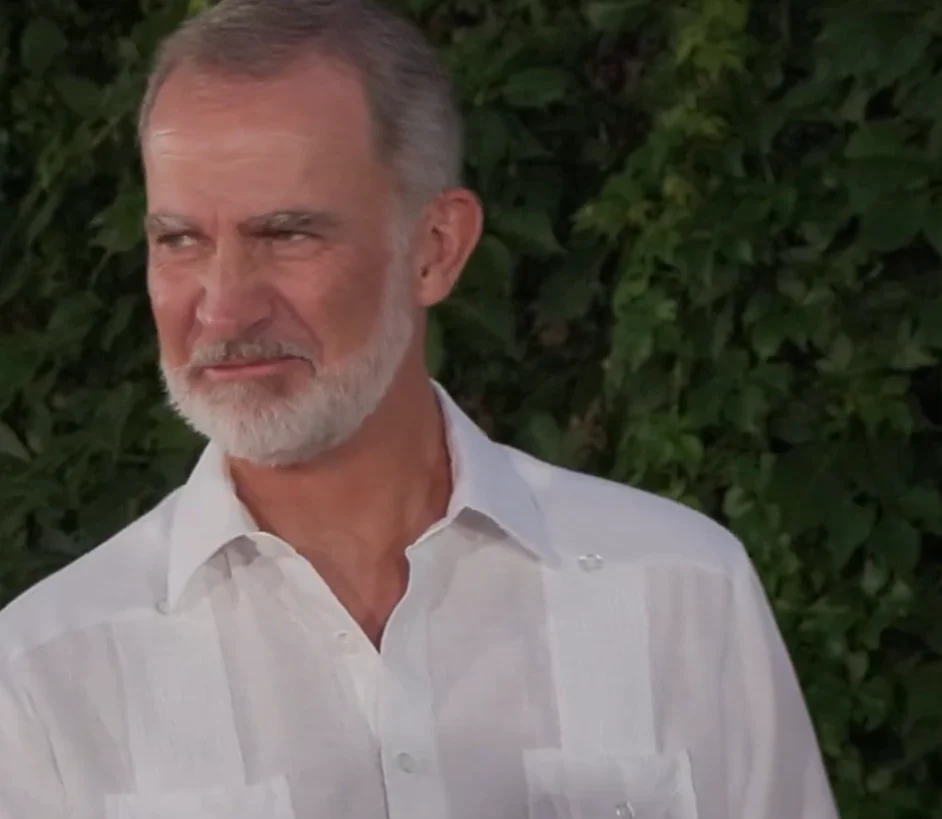

King Felipe VI of Spain has been discharged from the Ruber International Clinic in Madrid after spending the night under medical observation following a successful surgical procedure to correct cataracts. The 58-year-old monarch underwent the brief operation on the evening of October 24, exiting the medical facility on the morning of October 25 wearing dark sunglasses and carrying strict instructions from his medical team to take a period of rest before resuming his full public agenda.
The procedure, which was publicly announced by the Royal Household only after its completion, was described by medical professionals as routine. However, doctors have advised the King to avoid strenuous physical exertion and large public engagements for the next several days to ensure a full and uncomplicated recovery. The timing of the surgery followed an intensely demanding week of royal duties in northern Spain, where King Felipe stood alongside Queen Letizia and their daughters to support the heir to the throne, Princess Leonor, during high-profile regional engagements.
A Rigorous Royal Itinerary Precedes Hospitalization
The news of the King’s sudden medical procedure came mere hours after he and his family returned to Madrid from the northern Spanish region of Asturias. The royal couple, accompanied by Princess Leonor and Infanta Sofia, had spent three days in the principality for a series of events anchored by the prestigious Princess of Asturias Awards.
The annual awards ceremony, held every October in Oviedo, honors international and domestic achievements across a diverse array of fields, including the arts, sports, social sciences, and scientific research. Princess Leonor, who is approaching her 21st birthday, presided over the formal ceremony and delivered a widely praised address. She was supported throughout the event by King Felipe, Queen Letizia, and Infanta Sofia, while Queen Letizia’s mother-in-law, Queen Sofia, looked on proudly from a private box.
Following the main awards gala, the royal family maintained a packed schedule. They traveled from Oviedo to the picturesque Asturian coast to present the annual "Exemplary Town of Asturias" award to the local fishing fraternity and community of Llanes. During this coastal visit, an unscripted moment lightened the official proceedings when Queen Letizia experienced a minor stumble while disembarking from a boat. The Queen was entirely unhurt, and her 19-year-old daughter, Infanta Sofia, quickly stepped in to assist her to her feet. The lighthearted recovery, captured by press photographers, showcased a rare moment of relaxed family camaraderie amid a strict protocol.
Upon concluding their engagements in the north, the royal family returned to the Spanish capital in the early afternoon. Shortly after arriving back in Madrid, King Felipe checked into the Ruber International Clinic for the scheduled ophthalmic procedure.
Medical Context: Understanding Cataract Surgery in Aging Monarchs
Cataracts—the clouding of the natural crystalline lens of the eye—are a common age-related condition that leads to a gradual decrease in vision. While the condition is naturally progressive, modern surgical techniques have transformed cataract removal into one of the safest and most frequently performed outpatient procedures globally. Typically, the clouded lens is broken down using ultrasound technology and replaced with a clear artificial intraocular lens.
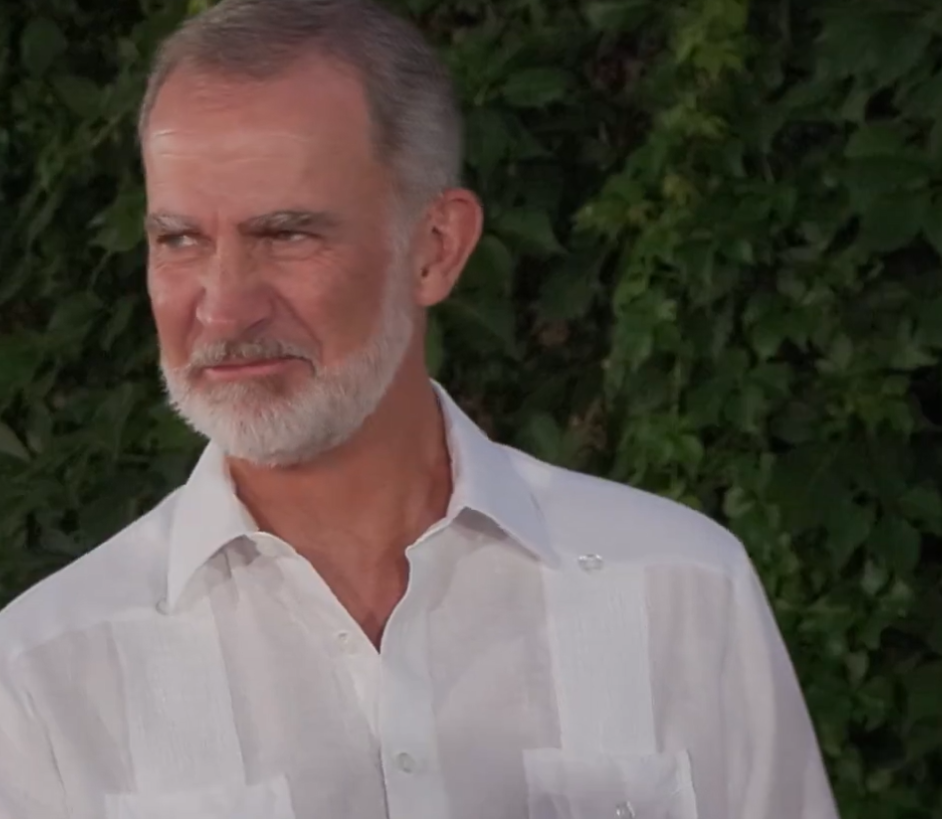
For a head of state like King Felipe, maintaining optimal visual acuity is essential for reading briefing documents, reviewing legislative acts, and fulfilling ceremonial duties that require prolonged public focus. While the intervention itself is brief—often lasting less than thirty minutes per eye—the immediate postoperative phase requires diligent adherence to medical guidelines to prevent infection and manage intraocular pressure.
Medical experts note that patients are routinely advised to refrain from heavy lifting, bending over, or exposing their eyes to bright, unfiltered light immediately following the operation. The King’s signature dark sunglasses upon leaving the clinic served a dual purpose: shielding his recovering eyes from the bright Madrid sunlight and protecting them from camera flashes.
The Royal Household and Institutional Stability
The announcement of the King’s hospitalization prompted immediate interest from domestic and international media outlets, reflecting the high visibility of the Spanish monarchy. Royal watchers noted that the transparent handling of the medical procedure aligns with the current Casa de S.M. el Rey’s ongoing strategy of modernizing communication and maintaining public trust regarding the health of the royal family.
Unlike historical eras where medical ailments of monarchs were frequently shrouded in secrecy, contemporary European royal houses generally opt for timely disclosures to dispel rumors and demonstrate accountability. The Spanish Royal Household confirmed the operation only after it had successfully concluded, thereby balancing the public’s right to know with the King’s fundamental right to medical privacy.
Institutions close to the government and political figures across the spectrum expressed their wishes for a speedy recovery. While no official constitutional mechanisms were triggered—as a simple overnight stay for a routine elective procedure does not necessitate a Regency council under Spanish law—the temporary scaling back of the King’s diary underscores the delicate balance of managing a busy constitutional calendar with personal health needs.
Broader Implications and Upcoming Agenda
King Felipe’s temporary convalescence highlights the physical demands placed upon modern working royals. At 58 years of age, the King maintains an active schedule that encompasses diplomatic receptions, military reviews, constitutional duties, and extensive domestic travel.
The coming weeks carry considerable significance for the Spanish royal family. Aside from managing the King’s recuperation, the household is preparing for upcoming family milestones, including the birthday celebrations of Princess Leonor. As the Princess of Asturias continues to assume an increasingly prominent role in public life—balancing her military training with her institutional obligations—the guidance and presence of both King Felipe and Queen Letizia remain central to her preparation for the throne.
Official sources have indicated that King Felipe is resting comfortably at Zarzuela Palace following his discharge from the Ruber International Clinic. While his public engagements for the immediate future have been postponed or delegated to other members of the royal family, he is expected to resume his standard constitutional duties once he receives final clearance from his medical team. The King’s swift return home reassures the public that the procedure was entirely successful, allowing Spain’s head of state to resume his responsibilities without prolonged interruption.