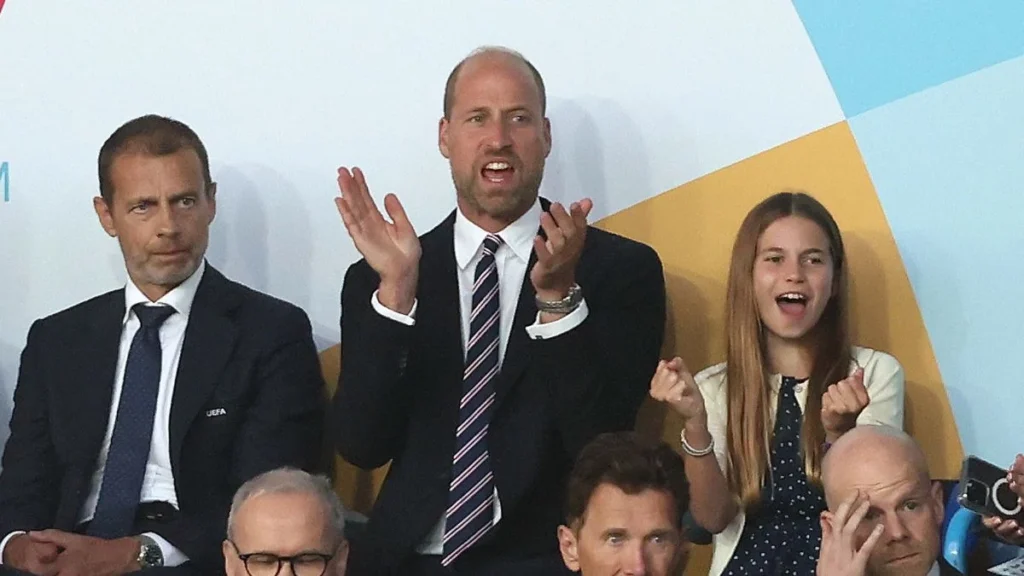

Prince William, the Prince of Wales, reportedly opted to forgo attending the majority of England’s recent World Cup campaign to remain in the United Kingdom, prioritizing a significant educational transition for his eldest son, Prince George. While the Prince is widely recognized as a dedicated supporter of English football and serves as the President of the Football Association (FA), his absence from the international tournament has been attributed to a pivotal "family milestone" involving the schooling of the next generation of the British monarchy. According to reports from royal commentators and Kensington Palace insiders, the decision was motivated by Prince George’s graduation from Lambrook School and his subsequent preparations to enroll at Eton College this September.
The timing of the tournament coincided with the conclusion of the academic year for the three Wales children—Prince George, Princess Charlotte, and Prince Louis. For the royal family, this particular summer represents more than just a seasonal break; it marks the final period of unified domestic life before Prince George, now 12, transitions to a boarding school environment. This shift in the family dynamic prompted Prince William and Catherine, the Princess of Wales, to prioritize domestic stability and shared time over public appearances at high-profile sporting events abroad.
The Educational Transition: From Lambrook to Eton College
The primary driver behind Prince William’s decision to remain in the country was the graduation of Prince George from Lambrook School in Berkshire. George has attended the co-educational preparatory school alongside his siblings, where the curriculum emphasizes a balance of academic rigor and outdoor activities. However, as George reaches the age of 12, he is following in the footsteps of his father and his uncle, Prince Harry, by moving to Eton College.
Kensington Palace has officially confirmed this next step, stating that the young prince "will attend Eton College from this September." The move to Eton is a significant rite of passage for a future monarch. Located in Windsor, Eton College is one of the world’s most prestigious independent schools, known for educating 20 British Prime Ministers and various members of global royalty. The transition involves a move to a boarding house system, which represents a major change in the daily routine of the Wales household.
A family friend, speaking to Richard Eden of the Daily Mail, noted that "it’s been an important time for the family," emphasizing that the parents wanted to ensure George felt supported during his final weeks at Lambrook. By staying close to home, Prince William was able to participate in the various end-of-term traditions and school-leaver ceremonies that define the conclusion of a child’s preparatory education.
Balancing Royal Duties and the Presidency of the Football Association
Prince William’s absence from the early and middle stages of the World Cup was notable given his official capacity as the President of the Football Association. Since taking over the role from the Duke of York in 2006, William has been a vocal advocate for the growth of the sport, from the grassroots level to the Premier League and the national teams. His presence at major tournaments is usually expected, as it provides a symbolic link between the British state and the national sport.
However, the Prince has increasingly signaled a desire to redefine the balance between his public duties and his role as a father. This "family-first" approach has become a hallmark of the Prince and Princess of Wales’s public image. While previous generations of royals might have prioritized international travel and official representation regardless of domestic schedules, William and Catherine have frequently adjusted their calendars to align with their children’s school terms and holidays.
Despite his physical absence from the stands in the earlier matches, William remained actively engaged with the team’s progress. The report notes that he maintained communication with the squad and the coaching staff, ensuring that his support as FA President was felt even if he was not visible in the VIP boxes of the host nation’s stadiums.
The World Cup Final and the "New Heights" Connection
The Prince of Wales did not entirely rule out international travel during the tournament. During an appearance on the "New Heights" podcast, hosted by NFL stars Travis and Jason Kelce, Prince William discussed his passion for football and his intentions regarding the World Cup. When asked by the Kelce brothers if he would be traveling to witness the matches, William replied, "Definitely, if we’re in the finals."
This statement established a clear threshold for his attendance: a historic opportunity for the England national team would warrant a brief departure from his domestic commitments. As the tournament progressed and England secured a place in the final, the Prince made arrangements to attend the climactic match.
The final, however, ended in disappointment for the English side. England faced Argentina in a tightly contested match that ended in a 2-1 defeat for the Three Lions. Despite the loss, Prince William was quick to offer public commendation for the team’s efforts. Taking to social media, he expressed that he was "gutted" by the result but remained immensely proud of the players.
"You gave it everything and made the country so proud," William wrote in a statement released via Kensington Palace. He further extended his gratitude to the entire staff "on and off the pitch," describing the squad as "the most complete England team in a tournament." This high praise from the FA President served to bolster national morale following the narrow defeat in the final.
A Summer of Transition for the Wales Children
While Prince George’s move to Eton was the primary focus, the decision to skip the World Cup also benefited Princess Charlotte and Prince Louis. Both children were also finishing their respective school terms at Lambrook, and the family reportedly utilized the time to enjoy a quiet summer at their home, Adelaide Cottage, and the Sandringham Estate.
The Princess of Wales, who has been managing her own health journey over the past year, has also emphasized the importance of maintaining a sense of normalcy for the children. By keeping the family together during the World Cup run, William and Catherine were able to provide a stable environment amidst the public scrutiny that follows the royal family.
Historically, the British Royal Family has been protective of school holidays, often retreating from public life during the months of July and August. This period of "summer seclusion" is a tradition that dates back decades, allowing the monarch and their heirs to recharge away from the cameras. In this instance, the confluence of a major sporting event and a significant educational milestone forced a choice, and the Prince of Wales chose the path of parental presence.
Implications for the Modern Monarchy
The decision by Prince William to prioritize his son’s education over a major international sporting event offers a brief look into the evolving nature of the British monarchy. Analysts suggest that this move reflects a shift toward a more "relatable" and "modern" royal family that values domestic life as much as official ceremony.
- Parental Priority: William’s choice reinforces his image as a "hands-on" father, a narrative that has been carefully cultivated since the birth of Prince George in 2013. By placing the needs of his 12-year-old son above the expectations of the FA and the international media, he sets a precedent for future royal behavior.
- Strategic Communication: The use of platforms like the "New Heights" podcast shows a willingness to engage with contemporary media to explain his decisions. By setting expectations early—stating he would only attend the final—he mitigated potential criticism regarding his absence from the group stages.
- Educational Continuity: The transition to Eton College is not just a personal choice but a strategic one for the institution of the monarchy. George’s education at Eton will provide him with the same network and traditional grounding that his father received, ensuring continuity in the preparation of the future King.
Timeline of Events
To understand the context of Prince William’s decision, a look at the summer timeline is essential:
- Late June: The World Cup tournament begins. Prince William remains in the UK to attend end-of-term events at Lambrook School.
- Early July: Prince George officially completes his final year at Lambrook. The family spends time together in Windsor.
- Mid-July: England progresses through the knockout stages of the World Cup. Prince William appears on the "New Heights" podcast, clarifying his attendance strategy.
- Tournament Final: England reaches the final against Argentina. Prince William travels to attend the match.
- Post-Final: England loses 2-1. Prince William issues a statement of support for the team.
- August: The Wales family begins their private summer holiday, preparing for George’s September start at Eton.
Conclusion
The Prince of Wales’s decision to skip the majority of the World Cup underscores the changing priorities of the modern royal family. While his role as FA President and his personal love for football are undeniable, the graduation of Prince George and his upcoming enrollment at Eton College took precedence. This "important time for the family" allowed for a final summer of childhood normalcy for the young prince before he enters the more structured and traditional environment of Eton boarding life. In the end, William managed to balance both worlds—remaining a supportive father during a critical transition and showing up for his national team when it mattered most on the global stage.