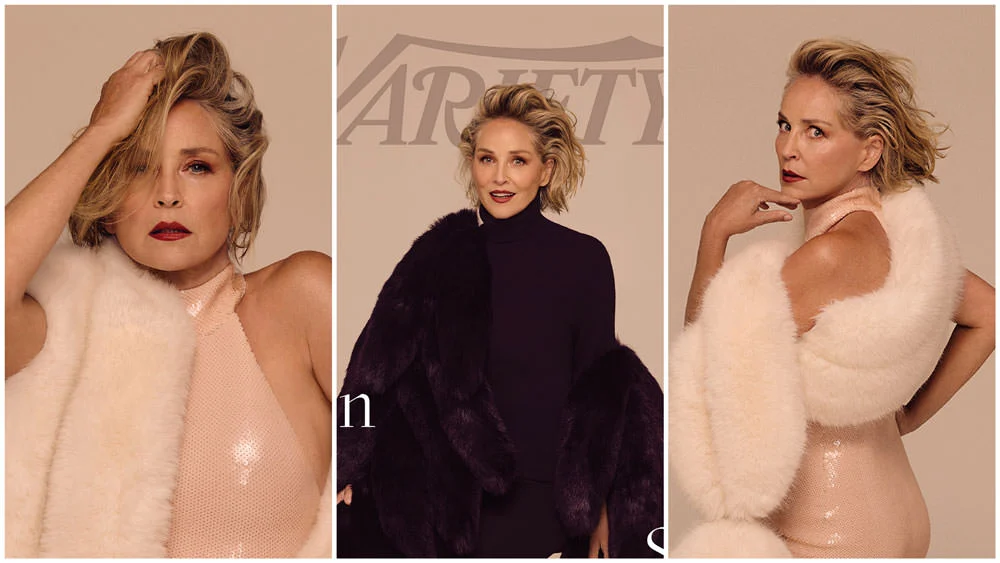

Iconic Hollywood actress Sharon Stone has once again captured the cultural spotlight with a sweeping, unfiltered interview featured in the September 2026 "Power of Women" issue of Variety. Photographed by Ramona Rosales, Stone used the cover story to reflect on her decades-spanning career, the enduring cultural footprint of her breakthrough role in Basic Instinct, her unexpected creative intersections with modern television, and the systemic barriers that have continually shaped her journey through the entertainment industry. Known for her fierce candor and refusal to conform to Hollywood expectations, Stone delivered sharp commentary on gender inequality, contractual self-advocacy, and the public perception that has followed her for more than thirty years.
Main Facts and Highlights of the Variety Feature
The comprehensive interview, conducted by journalists Trish Deitch and Tiana DeNicola, covers a vast array of topics spanning Stone’s personal history, her behind-the-scenes Hollywood experiences, and her unyielding perspective on fame. Among the most notable disclosures are her reflections on a fictional crossover involving the hit HBO series Euphoria and Sydney Sweeney’s character, her lifelong ambition to direct overshadowed by institutional sexism, and the lessons in contract negotiation she received from Hollywood royalty Carrie Fisher and Debbie Reynolds.

Stone also addressed the lingering intimidation factor that audiences and journalists have associated with her since the release of Paul Verhoeven’s 1992 erotic thriller Basic Instinct. Rather than softening her public persona, the actress remains steadfast in her critique of how powerful, independent women are received by society and the entertainment business at large.
Chronology of a Career Forged in Fire and Independence
To understand the weight of Stone’s recent statements, it is necessary to examine the trajectory of her career against the backdrop of Hollywood’s shifting paradigms. Rising to international prominence in the early 1990s, Stone cemented her status as a global superstar with her Golden Globe-nominated performance as Catherine Tramell in Basic Instinct. However, the immense success of the film came with professional pigeonholing and intense media scrutiny.
Decades later, Stone transitioned from acting into producing and advocating for various philanthropic causes, notably amfAR (The Foundation for Research on AIDS). Her ambitions, however, frequently ran up against institutional roadblocks. While she initially aspired to transition from acting to directing behind the camera, she encountered systemic resistance. In the Variety interview, Stone candidly attributes this professional limitation to the systemic sexism prevalent in the film industry during her peak earning years—a barrier she describes with characteristic bluntness as "that troubling vagina issue" that hindered her ability to secure directing jobs or receive fair compensation.

Supporting Data and Industry Context
Stone’s observations arrive at a time when Hollywood is undergoing a protracted, highly scrutinized reckoning regarding gender parity, pay equity, and leadership roles for women. According to various industry studies by organizations such as the USC Annenberg Inclusion Initiative, women continue to be significantly underrepresented in director’s chairs across major motion pictures and television series. Stone’s historical experiences mirror the structural obstacles faced by generations of pioneering women in cinema.
Furthermore, Stone’s remarks about contract negotiation underscore a vital, often overlooked aspect of actor longevity. Recalling mentorship from the late Carrie Fisher—who learned foundational industry navigation from her mother, legendary actress and singer Debbie Reynolds—Stone emphasized the importance of women thoroughly reading and amending their contracts. She issued a direct warning regarding agency structures, noting that actors must advocate fiercely for themselves because talent agencies ultimately serve corporate studio interests just as much as, if not more than, individual artists.
Official Responses and Cultural Intersection
While studio executives and representatives from the series mentioned in the interview have not formally issued point-by-point retorts to Stone’s colorful remarks, the entertainment community has engaged in widespread discussion regarding her anecdotes.

Stone revealed a fascinating intersection with contemporary television by discussing a conceptual pitch involving HBO’s Euphoria and actress Sydney Sweeney. Stone recounted an attempt within a project she was producing, titled L.A. Nights, to write a narrative arc where Sweeney’s character transitions away from digital sex work to join Stone’s venture. Referencing Sweeney’s real-world entrepreneurial endeavors—such as her recent fashion and lingerie initiatives—Stone humorously observed that the fictional pivot did not mirror reality, underscoring the dynamic autonomy of younger female stars in today’s media landscape.
Broader Impact and Implications for Hollywood
The reverberations of Sharon Stone’s latest print and video feature extend far beyond standard magazine publicity. By addressing the paradox of her public image—contrasting the formidable, icy archetype of Catherine Tramell with her self-described fragile, introverted, and empathetic real-life personality—Stone highlights the enduring societal discomfort surrounding women who project unyielding independence.
Her reflections on aging in Hollywood are equally poignant. Addressing why she no longer pursues directing positions, Stone pointed to the exhaustion of navigating professional friction, opting instead for personal peace over industry validation. As the entertainment landscape slowly evolves under the banner of inclusivity and reformed labor practices, Sharon Stone’s testimony serves as both a historical record of Hollywood’s patriarchal past and a continuing masterclass in unapologetic self-preservation.