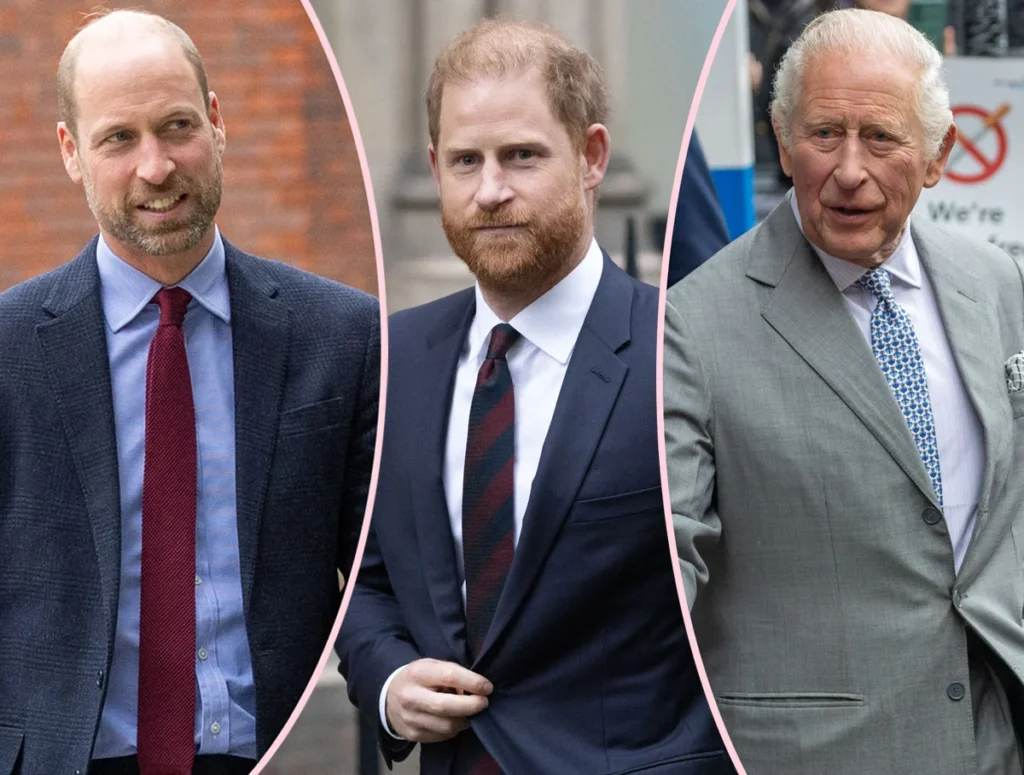

Reports from palace insiders and royal observers suggest that Prince Harry is prepared to exploit the discernible friction between his father, King Charles III, and his elder brother, Prince William, the Prince of Wales, to his strategic advantage. This alleged manoeuvre comes amidst an already strained familial dynamic, further complicated by the King’s recent health challenges and William’s increased public responsibilities. The ongoing saga, largely playing out under intense global scrutiny, hints at a deepening chasm within the British monarchy, with the Duke of Sussex positioned to navigate these complex internal politics from his residence thousands of miles away.
The Deepening Divide: A Royal Backgrounder
The narrative of discord within the House of Windsor is not new, but it has intensified dramatically in recent years. The initial fracture became starkly apparent with Prince Harry and Meghan Markle’s decision in early 2020 to step back as senior working royals, a move famously dubbed "Sussexit." This unprecedented departure saw the couple relocate to North America, seeking financial independence and a life away from the relentless glare of the British tabloid press. However, their subsequent public engagements and media ventures—including a bombshell interview with Oprah Winfrey in March 2021, a revealing Netflix docu-series released in late 2022, and Prince Harry’s candid memoir, Spare, published in January 2023—systematically laid bare a litany of grievances, accusations of institutional racism, and profound personal unhappiness.
These public revelations created significant rifts, particularly between Prince Harry and Prince William. What was once considered an unbreakable bond between brothers, forged in shared grief and royal duty, appeared to shatter under the weight of conflicting narratives and perceived betrayals. King Charles, then Prince of Wales, also found himself caught in the crossfire, with Harry’s memoir detailing strained communication and emotional distance. The underlying tension has persisted, with very few public signs of genuine reconciliation, despite intermittent calls for family unity from various quarters.
King Charles’s Health and William’s Ascendancy
The already fragile equilibrium within the Royal Family was further tested in early 2026 with the announcement of King Charles III’s cancer diagnosis. This period of significant vulnerability for the monarch necessitated a temporary scaling back of his public duties to undergo treatment. In response, Prince William, as the heir apparent, naturally stepped into a more prominent leadership role, undertaking an increased number of engagements and representing the Crown at critical junctures. This heightened visibility for William, coupled with the King’s period of recuperation, reportedly brought into sharper focus the differing approaches and priorities between father and son.
According to palace insiders, this period highlighted existing discrepancies in their views, particularly regarding the handling of sensitive family matters and the future direction of the monarchy. While King Charles is said to harbor a deep desire for familial reconciliation and a united front, Prince William, increasingly burdened with the responsibilities of a future king, is reportedly more focused on stability, institutional integrity, and protecting the monarchy from perceived threats, including those posed by his estranged brother’s continued public commentary. This divergence of perspectives creates a fertile ground for strategic maneuvering, as sources close to the situation suggest.
Harry’s Strategic Calculations: Exploiting the Fault Lines
A recent report by Rob Shuter’s Naughty But Nice Substack, citing an anonymous palace insider, posits that Prince Harry is acutely aware of these internal divisions and is prepared to leverage them. The insider was quoted stating: “Harry doesn’t just know where the weak spots are—he knows how to use them. He understands exactly where Charles and William see things differently, and he knows how to put them on opposite sides of the same issue. That’s where he has leverage.”
This assessment implies a calculated approach from the Duke of Sussex, even from his distant vantage point in California. The "weak spots" are not merely personal disagreements but fundamental differences in how Charles and William view the institution, their roles within it, and crucially, the role of family. King Charles, having ascended to the throne later in life, is often seen as striving to cement his legacy as a unifying figure, keen to avoid the perception of a fractured family. His desire for a relationship with his younger son and grandchildren, Prince Archie and Princess Lilibet, is often characterized as a paternal instinct.
Conversely, Prince William, as the immediate heir, is said to operate with the mindset of a future sovereign. His decisions and perspectives are reportedly guided by the long-term health and public perception of the monarchy. From this viewpoint, reconciliation with Prince Harry might be seen as a risk if it undermines the stability or credibility of the institution, especially given the public nature of Harry’s past criticisms.
This inherent tension—the "parent" versus "future King" mindset—is reportedly something Harry understands intimately. “Harry understands that his father still thinks like a parent, while William thinks like the future King. Those are two very different mindsets, and Harry knows how to play to both,” another source claimed. This understanding allows him to navigate the familial landscape in a way that, while potentially deepening existing rifts, might serve his own objectives, such as maintaining a connection with his father and ensuring his children’s place within the wider royal family, however tenuous.
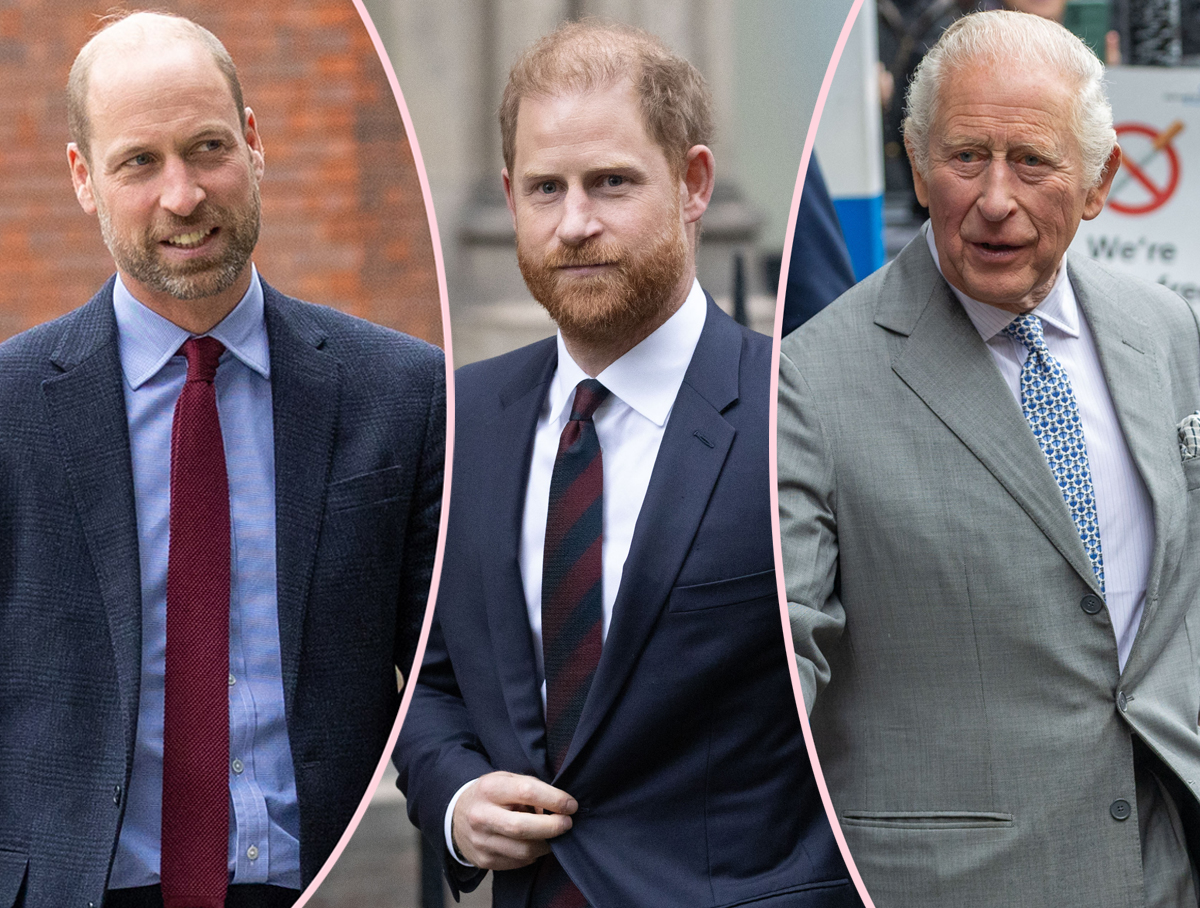
The timing of Prince Harry’s recent visit to King Charles, following the announcement of the King’s health challenges, is cited as a prime example of this alleged strategy. While publicly framed as a compassionate son visiting his ailing father, sources suggest Harry was fully aware of the broader implications. The meeting, which notably did not include a rapprochement with Prince William, was reportedly perceived by the Prince of Wales as a deliberate move that would inevitably exacerbate the existing animosity. “Harry knew exactly what the optics would be. A meeting with Charles was always going to infuriate William,” the insider reportedly stated, highlighting Harry’s presumed awareness of the impact his actions would have on the brothers’ relationship.
The Irreconcilable Brothers: William’s Stance
The chasm between Prince William and Prince Harry appears, for now, to be profound and potentially irreparable. Reports consistently indicate that William’s trust in his younger brother has been severely eroded, primarily due to the public airing of grievances and personal details in interviews and memoirs. Sources close to William have consistently alleged that "William’s trust is gone," a sentiment that suggests a deep-seated reluctance to move past the perceived betrayals.
This entrenched position from William places him in an increasingly difficult situation, especially as King Charles reportedly seeks to mend fences with Harry. The King’s desire for a united family, particularly in his later years and during a period of illness, inevitably puts pressure on William to soften his stance. However, if William’s resolve to keep Harry at arm’s length remains firm, it creates a direct point of tension between the King and his heir. This dynamic, too, is reportedly not lost on Prince Harry. “Harry knows reconciliation with Charles, even in small steps, puts enormous pressure on William. He understands exactly how those dynamics play out—and he’s prepared to use them when it suits him,” a source indicated.
The implications of this dynamic are far-reaching. If Prince Harry’s alleged strategy is indeed to leverage the differing perspectives of his father and brother, it suggests that any steps towards reconciliation with King Charles might inadvertently push William further away. This could perpetuate a cycle of estrangement between the brothers, making a genuine healing of their relationship an increasingly remote possibility. The reports also suggest that Prince Harry’s ultimate goal in these interactions is to secure certain outcomes for himself and his family, such as maintaining a connection to the monarchy for his children, even if it means navigating through contentious family politics. His purported desire to have his wife, Meghan Markle, and their children, Prince Archie and Princess Lilibet, meet with King Charles underscores this objective, indicating a focus on establishing generational ties despite the ongoing fraternal rift.
Implications for the Monarchy and Public Perception
The ongoing internal tensions within the Royal Family, particularly during a period of the monarch’s ill health, carry significant implications for the institution itself. The public image of the British monarchy, often seen as a symbol of stability and unity, can be profoundly affected by persistent reports of familial discord. While the immediate focus remains on King Charles’s recovery and Prince William’s increased workload, the undercurrents of the Harry-William-Charles dynamic continue to draw considerable media and public attention.
Royal commentators and constitutional experts often highlight the delicate balance the monarchy must strike between being a relatable family and an enduring symbol of state. When internal family issues spill into the public domain, they can complicate this balance, potentially impacting public trust and sentiment. King Charles, in particular, faces the unenviable task of navigating his role as both a monarch focused on the stability of the Crown and a father hoping for family harmony. His reported willingness to reconcile with Prince Harry stands in stark contrast to Prince William’s alleged firm stance, creating a leadership challenge within the family structure.
Moreover, the intense media scrutiny, fuelled by leaks from unnamed sources and ongoing speculation, ensures that the drama remains a constant fixture in global news cycles. This sustained focus on internal disagreements detracts from the monarchy’s charitable work, public engagements, and its broader role in national life. The potential for Prince Harry’s alleged strategic actions to further exacerbate these tensions suggests that the institution will continue to grapple with these challenges for the foreseeable future.
A Future of Lingering Tensions?
As of July 2026, the reports paint a picture of a Royal Family still deeply fractured, with intricate power dynamics and emotional fault lines. Prince Harry’s alleged approach to leverage the differing perspectives of King Charles and Prince William suggests a continued period of internal maneuvering rather than genuine reconciliation. The central conflict appears to have shifted from a simple "Harry vs. The Firm" narrative to a more complex interplay between a father keen on mending familial bonds and an heir resolute in protecting the institutional integrity of the monarchy.
The reported success of Prince Harry in achieving his aim of seeing his father, along with Meghan and their children, underscores the effectiveness of his purported strategy. However, this success comes at the potential cost of further alienating his brother, Prince William, and perpetuating a cycle of resentment and mistrust. As royal observers note, the current state of affairs suggests that the royal family’s drama is far from over. The future likely holds continued negotiations, strategic moves, and a persistent undercurrent of tension, all playing out against the backdrop of an evolving monarchy striving to maintain relevance and stability in the modern world. The intricate web of personal relationships, institutional demands, and public expectations ensures that the saga of the British Royal Family will continue to be a subject of intense interest and debate.