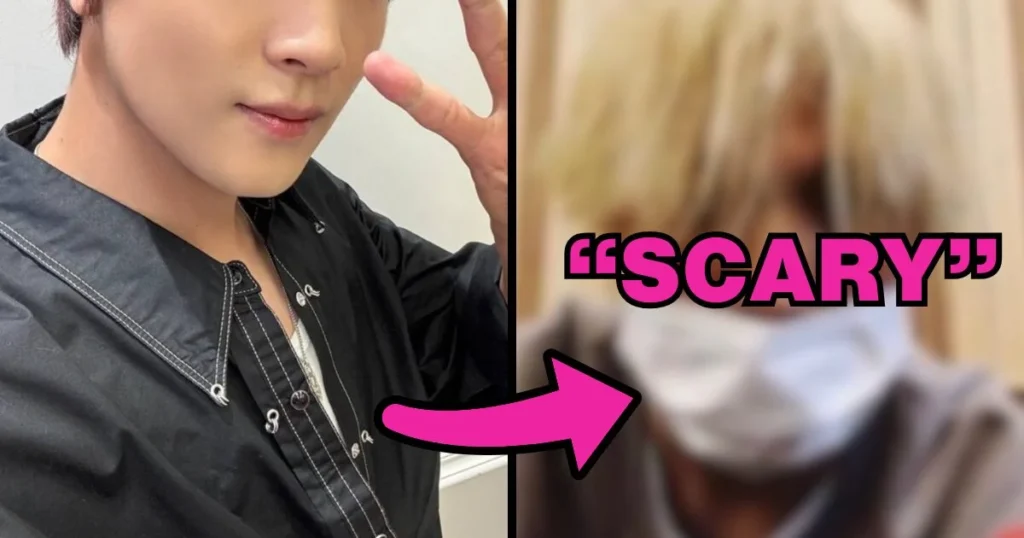

The landscape of the K-pop industry is often defined by its rigorous aesthetic standards and the intense scrutiny placed upon the physical appearance of its performers. Recently, this culture of critique reached a new peak of intensity as Haechan, a prominent member of the globally recognized boy group NCT, became the target of a viral wave of negative commentary. The controversy originated from the resurfacing of several screenshots taken from an old live broadcast, which began circulating on the popular South Korean online community portal Pann. These images have sparked a heated debate regarding beauty standards, the ethics of online commentary, and the reality of idol life behind the polished veneer of high-production music videos.
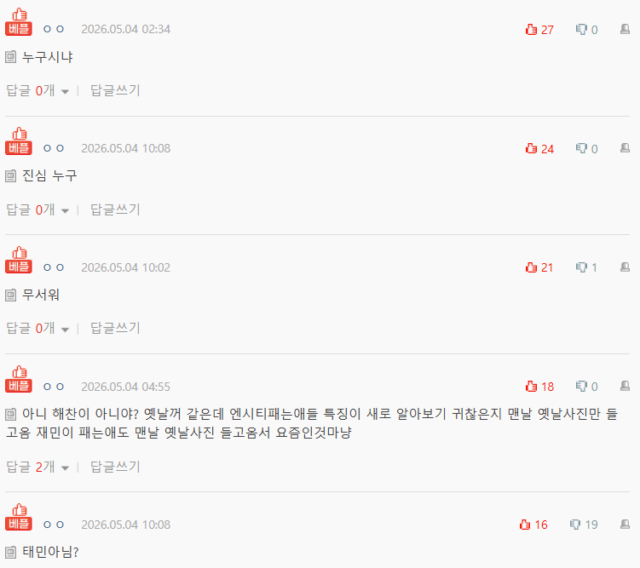
The initial post on Pann, which quickly garnered tens of thousands of views and hundreds of comments, featured low-resolution captures of Haechan from a past VLive session. The original poster (OP) expressed profound shock at the idol’s appearance, going as far as to suggest that the visuals were so far removed from his typical public image that they appeared to be the product of artificial intelligence. "How did they even think to go live looking like that? Absolutely shocking. At first, I thought it was AI," the post read, setting a tone that was quickly mirrored by many other users on the platform.
The Anatomy of the Viral Incident
The screenshots in question depict Haechan in a casual setting, presumably within a dormitory or a practice studio, devoid of the professional makeup, stylized hair, and specialized lighting that accompany his official appearances. In these frames, the idol appears with a more natural skin tone and facial structure, which some netizens claimed made him "unrecognizable" compared to his promotional photos for NCT 127 or NCT Dream.
The discourse was not limited to Pann. The sentiment migrated to X (formerly Twitter), where a Korean user shared one of the images and asked their followers if they could identify the individual. The user noted that a mutual follower had changed their profile picture to the screenshot, but they were unable to recognize the person as a member of one of the world’s most famous K-pop groups. This lack of recognition from even casual fans served to fuel the narrative that there is a significant discrepancy between an idol’s "real-life" appearance and their "curated" image.
As the post trended, the comment sections became a battlefield between critics and defensive fans. While a segment of the online population used the images to mock the idol’s visuals, a significant number of "NCTzens" (the group’s official fandom) and neutral observers stepped in to provide context and denounce what they characterized as cyberbullying.

Contextualizing the Live Stream Environment
To understand the nature of the "unrecognizable" visuals, it is essential to consider the technical and situational context of VLive broadcasts. For years, VLive (and its successor, Weverse Live) has served as a primary medium for idols to connect with fans in a seemingly unscripted manner. Unlike music shows or variety programs, these streams are often conducted using personal smartphones or tablets, which lack professional-grade lenses and lighting.
Furthermore, idols frequently conduct these live sessions late at night or immediately following grueling practice sessions. NCT, in particular, is known for one of the most demanding schedules in the industry, with members like Haechan often pulling double duty in multiple sub-units. This leads to visible signs of fatigue, which are naturally captured in a live, unfiltered format.
Industry experts point out that the "shock" expressed by netizens often stems from a lack of familiarity with the natural human face. In the K-pop industry, promotional images undergo extensive retouching, and stage makeup is designed to be heavy enough to withstand harsh stage lights and sweat. When these layers are removed, the transition to a natural state can be jarring to those who only consume "perfected" media.
Chronology of the Backlash
The timeline of the current controversy suggests a calculated effort to resurface old content to generate negative engagement. The screenshots are not from a recent event; they date back to a broadcast from several years ago.
- Original Broadcast (Circa 2020-2022): Haechan conducts a casual VLive to interact with fans. The stream is well-received at the time as an intimate look at the idol’s daily life.
- May 1, 2026: A user on X posts a screenshot from the old broadcast, questioning the identity of the person in the image. The post begins to gain traction among anti-fans and "trolls."
- May 4, 2026: The discourse moves to Pann. A post titled with "unrecognizable visuals" goes viral, reaching the "Hot" category on the site.
- Current Status: The debate has expanded into a broader discussion about the toxicity of online communities and the unrealistic expectations placed on young celebrities.
Supporting Data on K-pop Beauty Standards and Mental Health
The intense focus on Haechan’s appearance is not an isolated incident but a symptom of a larger systemic issue within the South Korean entertainment industry. According to various sociological studies on Hallyu culture, "visuals" are considered a core competency for idols, often ranked alongside vocal talent and dance ability.
A 2023 survey on idol mental health indicated that over 60% of active performers felt "extreme pressure" regarding their physical appearance. The rise of high-definition streaming and the ubiquity of social media have exacerbated this pressure, as every pore and blemish can be scrutinized by millions. The "AI" comment directed at Haechan is particularly telling; it suggests that for some consumers, an idol is no longer viewed as a human being but as a digital product that must remain consistent in its perfection.

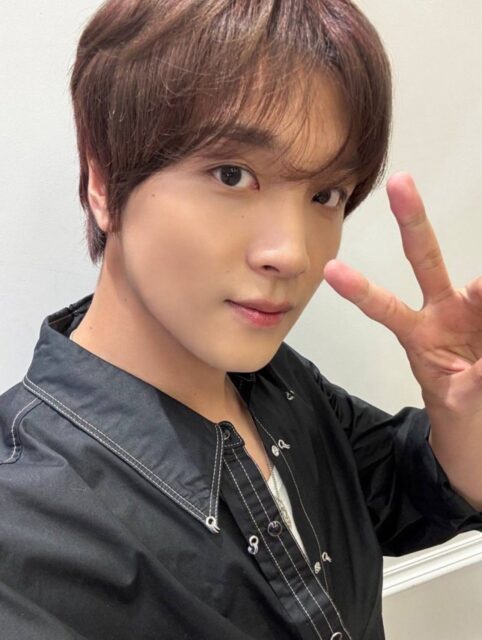
The psychological impact of such "visual-based hate" can be devastating. Previous cases in the industry have shown that persistent online harassment regarding appearance can lead to severe anxiety and social withdrawal. In Haechan’s case, the idol has historically been praised for his confidence and "Full Sun" personality, making the targeted nature of this vitriol particularly concerning for his supporters.
Official Responses and Fan Counter-Movements
While SM Entertainment, the agency representing NCT, has not issued a specific statement regarding this individual Pann post, the company has a standing policy of taking legal action against malicious comments and defamation. In recent years, SM has intensified its efforts to protect its artists’ mental health by monitoring major community portals and filing lawsuits against users who spread hate speech or manipulated imagery.
In the absence of a direct corporate rebuttal, fans have taken it upon themselves to "clean up" the search terms associated with Haechan. By sharing high-quality photos and videos of the idol from recent concerts and official events, they aim to drown out the negative screenshots. Fans have also pointed out the hypocrisy of the criticism, noting that many of the same users who demand "authenticity" from idols are the first to attack them when they show their natural faces.

"It is heartbreaking to see someone who works so hard being reduced to a few bad screenshots taken from a low-quality video years ago," one fan wrote in a widely shared post on X. "Haechan is a vocalist and a dancer first. His value isn’t determined by a camera angle or a lack of makeup."
Broader Impact and Implications for the Industry
The "Haechan Visual Controversy" serves as a case study for the evolving relationship between idols and their digital audience. As technology improves, the line between the "real" and the "manufactured" continues to blur. The fact that netizens mistook a real person for an AI-generated image highlights a growing "uncanny valley" in K-pop, where the standard of beauty has become so high that the human face itself is seen as an anomaly.
This incident also underscores the power of online communities like Pann and X to shape public perception. A single post, if framed with enough sensationalism, can overshadow years of professional achievements. For idols, this means that every moment spent on camera—even in a supposedly casual "live" setting—is a potential liability.
Looking forward, industry observers suggest that there may be a shift in how agencies manage live content. To protect their artists from such "visual ambushes," companies might move away from truly unfiltered streams in favor of pre-recorded content or streams that utilize real-time beautification filters. While this might satisfy the demand for visual perfection, it would further distance fans from the authentic connection they claim to crave.
Ultimately, the hate directed at Haechan is a reminder of the fragility of the idol-fan dynamic. In an industry built on the commodification of image, the most radical thing an idol can do is be human. As this controversy continues to unfold, it remains to be seen whether the K-pop community will move toward a more empathetic understanding of its stars or continue to hold them to the impossible standards of a digital age. For now, Haechan continues his activities with NCT, supported by a global fanbase that sees far more than just a screenshot.