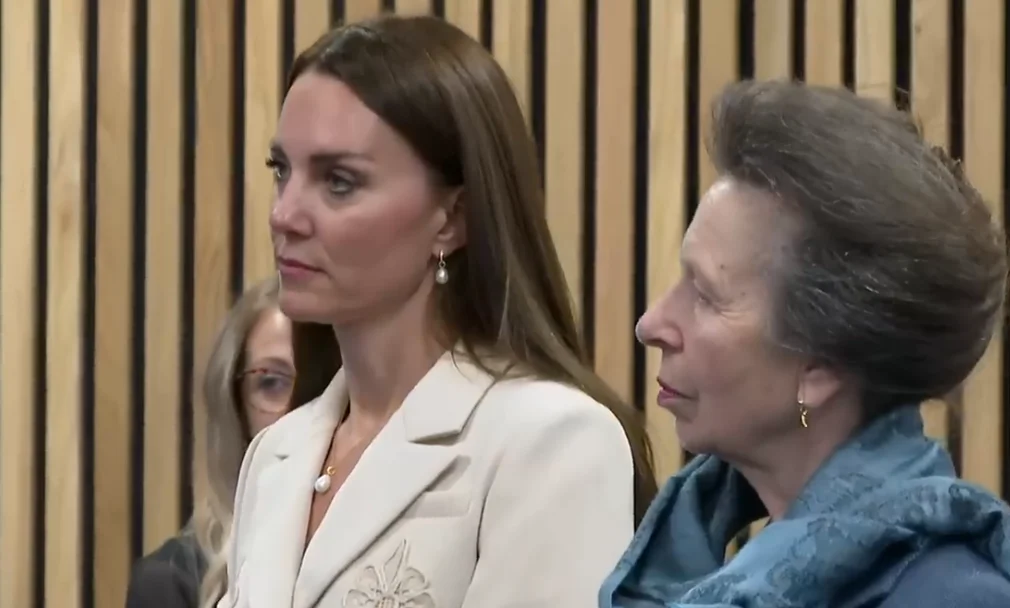

The Princess of Wales and the Princess Royal are set to lead the United Kingdom’s solemn commemorations for ANZAC Day in London, honouring the courage and sacrifice of Australian and New Zealand servicemen and women. This year’s observance, marking the anniversary of the Gallipoli landings, underscores the enduring bonds of remembrance between the Commonwealth nations and the UK. Princess Anne will commence the day with participation in the moving dawn service at Wellington Arch, Hyde Park Corner, a site that has become a focal point for ANZAC Day reflections in the capital. Subsequently, the Princess of Wales will lay a wreath at the Cenotaph, a national monument to fallen soldiers, on behalf of His Majesty King Charles III, a significant act of national remembrance.
The Significance of ANZAC Day
ANZAC Day, observed annually on April 25th, holds profound historical and emotional weight. It commemorates the first major military engagement involving Australian and New Zealand forces during World War I – the landings at Gallipoli on the Dardanelles Peninsula. This ill-fated campaign, launched on April 25, 1915, resulted in immense casualties for the Australian and New Zealand Army Corps (ANZACs). While the military objective was not achieved, the courage, tenacity, and camaraderie displayed by the ANZACs forged a powerful sense of national identity for both Australia and New Zealand. The day has since evolved to honour all those who have served and died in conflicts in which their countries have been involved.
The dawn service, a cornerstone of ANZAC Day commemorations, is intentionally timed to coincide with the approximate hour of the Gallipoli landings. As the first light of dawn breaks, attendees gather in silent reflection. The evocative sounding of the "Last Post" bugle call, followed by a minute of silence, is a deeply moving experience that honours the fallen. The service typically includes readings of poetry and prose that capture the spirit of ANZAC, alongside the solemn recitation of national anthems of Australia, New Zealand, and the United Kingdom. The "Reveille" bugle call, signalling the end of the period of silence, signifies the continuity of remembrance and the ongoing commitment to honouring sacrifice.
A Day of Solemn Remembrance in London
The presence of the Princess Royal at the dawn service at Wellington Arch imbues the early morning observance with royal gravitas. Princess Anne, known for her steadfast commitment to military affairs and her patronage of numerous veteran organisations, brings a personal and deeply felt connection to the commemorations. Her participation highlights the direct link between the historical sacrifices made and the ongoing support for current and former servicemen and women.
Later in the day, the Princess of Wales’s role at the Cenotaph signifies the nation’s collective act of mourning and gratitude. Laying a wreath on behalf of the King, she will represent the Crown and the nation in a ceremony that draws thousands of spectators and participants. The Cenotaph itself, unveiled in 1920, is a stark and powerful monument, designed to be a place of contemplation rather than glorification of war. The act of laying a wreath is a deeply symbolic gesture, acknowledging the profound debt owed to those who gave their lives for their country. A parade of veterans and military personnel often follows the wreath-laying ceremony, a visible testament to the enduring legacy of service.
The commemorations continue with a Service of Commemoration and Thanksgiving at Westminster Abbey. This service offers a broader reflection on the sacrifices made and the enduring peace and freedom they helped secure. The participation of the High Commissioners of Australia and New Zealand, delivering readings, underscores the collaborative nature of the remembrance and the shared history between the nations. Prayers read by children from both countries represent the passing of this solemn legacy to future generations. The inclusion of a Māori waiata, a traditional Māori song, performed by Ngā Pōtiki Rānana, adds a rich cultural dimension, reflecting the diverse heritage of those who have served.
Historical Roots of ANZAC Day Commemorations in London
The tradition of ANZAC Day commemorations in London dates back to the very first anniversary of the Gallipoli landings. In 1916, King George V, who had served as Commander-in-Chief of the Royal Navy, attended the inaugural ANZAC Day events. This early royal patronage established a precedent for the ongoing involvement of the British monarchy in honouring the sacrifices made by Australian and New Zealand forces. The establishment of April 25th as a public holiday in both Australia and New Zealand further cemented its national importance, allowing for widespread participation in remembrance activities. This public holiday status ensures that as many citizens as possible have the opportunity to reflect on the sacrifices made by those who have lost their lives in conflict, fostering a shared sense of national duty and remembrance.
Broader Royal Engagements: A Week of Centenaries and Remembrance
The commitment of the Princess of Wales and the Princess Royal extends beyond ANZAC Day. Earlier in the week, both royals are expected to participate in significant events marking the centenary of the birth of Queen Elizabeth II, on April 21st. This convergence of commemorations highlights a period of profound reflection for the Royal Family and the nation, encompassing both historical wartime sacrifices and the enduring legacy of the late monarch.
Princess Anne is scheduled to officially open the Memorial Gardens dedicated to Queen Elizabeth II. These gardens are likely to serve as a lasting tribute to the late Queen’s long and dedicated service, offering a tranquil space for public reflection and remembrance.
The Princess of Wales, accompanied by her husband, Prince William, will join other members of the Royal Family at Buckingham Palace for a reception honouring the centenary of Queen Elizabeth II’s birth. A particularly poignant aspect of this reception will be the presentation of birthday cards by King Charles III to individuals who are also turning 100 this year, drawing a direct parallel between the late Queen’s remarkable longevity and service and the lives of other centenarians in the nation. This intergenerational connection serves as a powerful reminder of the passage of time and the continuity of national experience.
Analysis of Royal Representation and National Identity
The joint leadership of the Princess of Wales and the Princess Royal in these significant commemorations offers a compelling insight into the evolving role of the British monarchy. Their active participation in both solemn acts of remembrance for wartime sacrifices and celebrations of national heritage underscores the Royal Family’s commitment to embodying national unity and continuity. Princess Anne, with her deep-seated connection to the military and veteran communities, brings an element of historical gravitas and personal dedication. The Princess of Wales, as a prominent figure in the modern monarchy, represents the future and the ongoing relevance of these traditions to younger generations.
The deliberate scheduling of these events in close proximity also serves to weave together different threads of national memory. ANZAC Day speaks to the shared experiences of global conflict and the enduring alliances forged in adversity. The centenary of Queen Elizabeth II’s birth, on the other hand, focuses on the more recent past and the remarkable reign of a monarch who guided the nation through decades of profound social and political change. By leading these diverse commemorations, the senior royals are actively shaping the national narrative, reinforcing the importance of honouring sacrifice, celebrating heritage, and looking towards the future.
The involvement of high-ranking Commonwealth representatives in the Westminster Abbey service further solidifies the message of enduring partnership. These events are not merely ceremonial; they are carefully orchestrated to reinforce diplomatic ties and acknowledge the shared values and histories that bind the UK with Australia and New Zealand. In an era of evolving global dynamics, these traditional commemorations play a vital role in maintaining and strengthening these crucial international relationships. The presence of the Princess of Wales and the Princess Royal at these events, therefore, carries significant symbolic weight, reinforcing the UK’s commitment to its Commonwealth partners and its deep respect for the sacrifices made by their citizens.