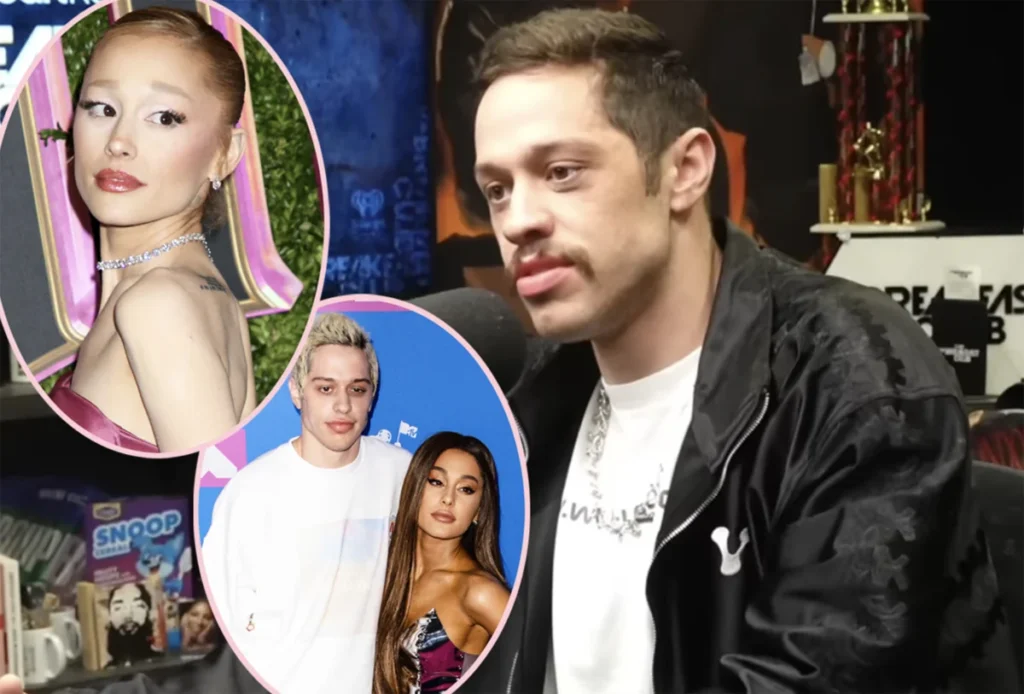

In a recent interview with Variety, comedian and actor Pete Davidson addressed the ongoing discourse surrounding his former fiancée, Ariana Grande, specifically condemning the public body-shaming the Grammy-winning artist has faced in recent years. While the two have not maintained a close personal relationship since their high-profile breakup in 2018, Davidson’s remarks highlight a consistent pattern of mutual respect that has persisted despite the volatility of celebrity relationships in the digital age.
The exchange occurred during a broader discussion regarding the pressures of public life and the toxic nature of social media commentary. When prompted about the frequent, unsolicited scrutiny directed at Grande’s physical appearance, Davidson did not mince words, labeling the behavior as “not cool” and “fucked up.”
A Chronology of a Whirlwind Romance
To understand the context of Davidson’s recent comments, it is necessary to examine the timeline of their relationship, which remains one of the most documented romances of the late 2010s.
In the spring of 2018, the entertainment industry was surprised by the rapid development of the relationship between the Saturday Night Live star and the pop superstar. Within just weeks of their public debut, the couple confirmed their engagement, a move that generated an immense amount of media coverage and public fascination. Their chemistry was frequently highlighted by major media outlets, but the intensity of the spotlight, combined with the personal tragedies both parties were navigating at the time, eventually led to the dissolution of their engagement in October 2018.
Following the separation, both individuals utilized their respective creative outlets to process the experience. Grande’s hit single “thank u, next,” released in November 2018, served as a cultural touchstone for personal growth and gratitude, explicitly referencing Davidson in a way that signaled a transition from heartbreak to maturity. Davidson, meanwhile, addressed the relationship periodically in his stand-up comedy routines—a common practice for comedians—though he consistently maintained a level of deference toward the singer.
The Evolution of Public Scrutiny and Body Image
The recent comments from Davidson arrive at a time when public figures are increasingly vocal about the psychological toll of body-shaming. Ariana Grande has been a frequent target of such vitriol, with social media platforms often serving as conduits for unsolicited opinions regarding her physical health and appearance.
The phenomenon of body-shaming, particularly toward women in the music and film industries, has been a subject of sociological study for decades. Experts note that the proliferation of high-speed internet and instant-commentary platforms has exacerbated the “surveillance culture” surrounding female celebrities. When public figures are subjected to intense scrutiny, it often leads to what researchers call “the dehumanization effect,” where the individual is treated as a public commodity rather than a person.
Davidson’s defense of Grande is significant not only because of their shared history but because it challenges the normalization of this behavior. By stating that he has “witnessed” her strength, he shifts the narrative from one of victimhood to one of resilience, acknowledging that while Grande is equipped to handle public pressure, the pressure itself remains fundamentally unjust.
Professional Distance and Mutual Respect
Despite the public’s enduring interest in their past, both Davidson and Grande have moved forward into different professional chapters. Grande has garnered critical acclaim for her transition into major film roles, most notably with her casting in the highly anticipated Wicked film adaptation. Davidson has continued to expand his repertoire, moving from sketch comedy to leading roles in television and cinema.
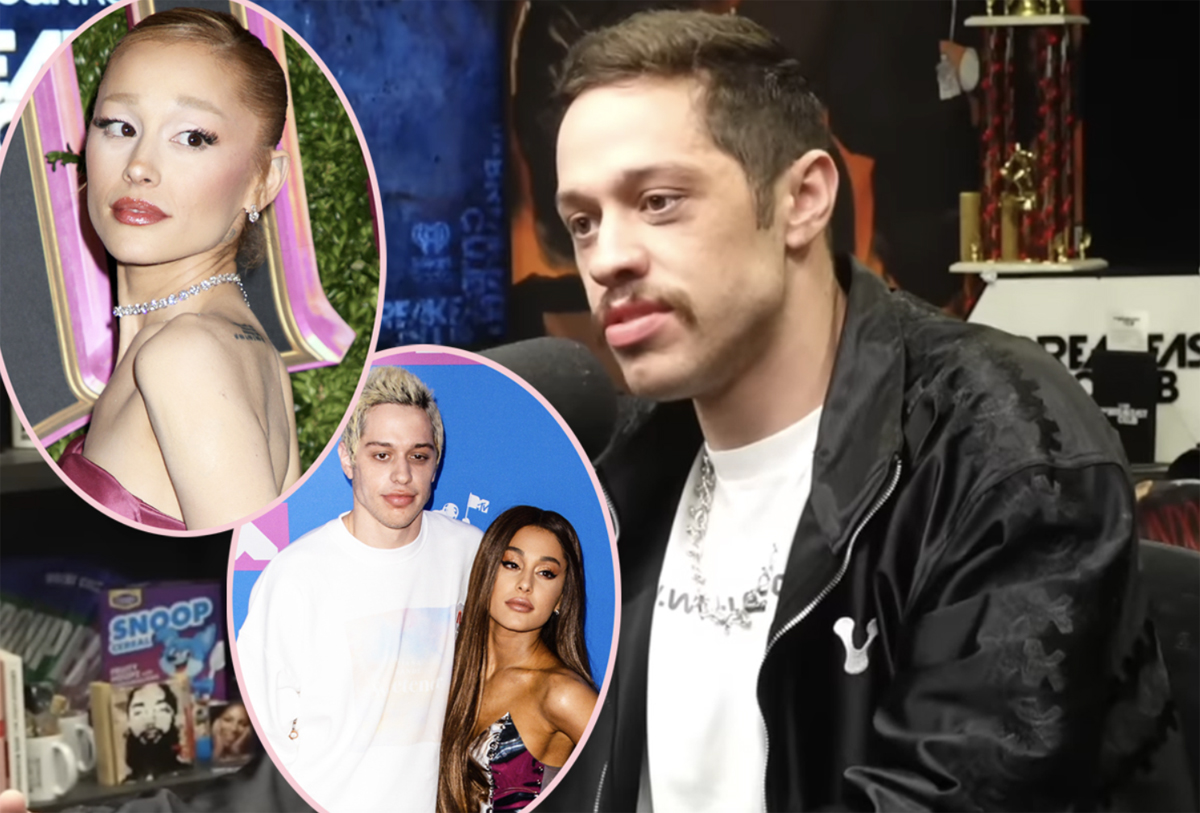
During his Variety interview, Davidson clarified the current nature of their connection, noting that while they are not in regular contact, there remains an undercurrent of goodwill. “I think Ariana’s fuckin’ cool and immensely talented and an awesome girl,” Davidson stated. “We’re not texting or whatever, but we’re cool.”
This sentiment underscores a shift in how former celebrity partners interact in the modern era. Rather than fueling the tabloid cycle with public feuds, both parties have opted for a stance of detached professionalism and personal respect. This approach serves to mitigate the potential for further harassment from fan bases, which often become embroiled in the personal conflicts of their favorite stars.
The Broader Impact on Celebrity Culture
The implications of Davidson’s statement extend beyond his personal relationship with Grande. By taking a stand against body-shaming, he aligns himself with a growing movement of male allies in Hollywood who are using their platforms to call out misogynistic behaviors in the digital sphere.
Data from organizations monitoring online harassment, such as the Anti-Defamation League’s Center for Technology and Society, consistently show that women in the public eye are significantly more likely to experience targeted, gendered harassment compared to their male counterparts. When prominent men in the industry speak out against these practices, it can influence the tone of fan discourse and set a standard for acceptable conduct in online communities.
Furthermore, the interview serves as a reminder of the human cost of fame. The constant demand for updates on the private lives of celebrities often ignores the reality that these individuals are subject to the same human experiences—grief, growth, and the need for privacy—as anyone else. Davidson’s defense suggests a move toward a more empathetic public discourse, one that values the individual’s right to exist without being subjected to constant physical assessment.
Analyzing the Future of Public Discourse
As both Ariana Grande and Pete Davidson continue their respective careers, the likelihood of further questions regarding their past remains high. However, the maturity displayed by both in how they handle these inquiries suggests a template for future celebrity interaction. By refusing to engage in petty grievances and instead focusing on the fundamental principles of respect and empathy, they provide a constructive example of how to navigate the complexities of fame.
Ultimately, Davidson’s comments function as a boundary-setting exercise. He affirms his support for his ex-fiancée while simultaneously rejecting the right of the public to dictate the terms of her personal life. In an era where digital feedback loops often spiral into toxicity, this intervention serves as a necessary check on the impulses of the audience.
Whether or not this latest statement will curb the tide of social media commentary remains to be seen. However, the clarity with which Davidson spoke—devoid of the drama often associated with celebrity breakups—marks a definitive moment in the ongoing public narrative surrounding their relationship. It highlights that, eight years after their initial meeting, the foundation of respect remains intact, regardless of the distance that has grown between them. As the entertainment landscape continues to evolve, the ability to maintain such decorum will likely remain an essential skill for those navigating the unrelenting scrutiny of global stardom.