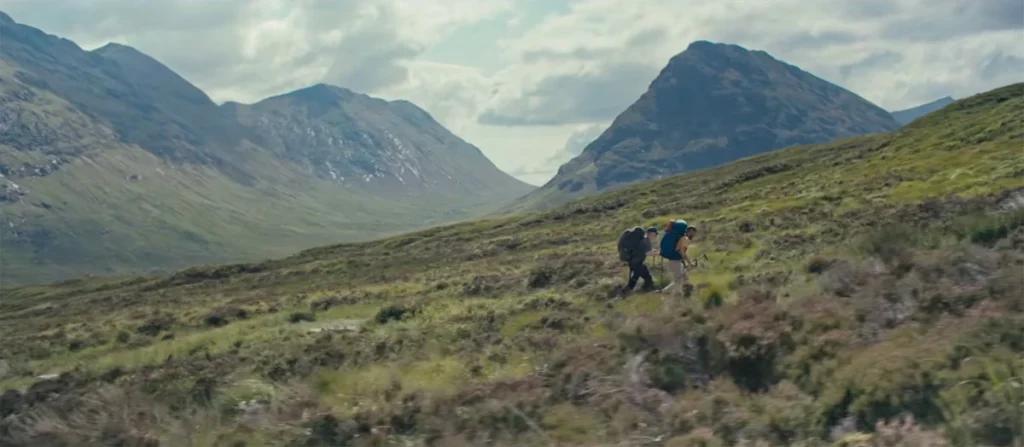

Picturehouse has officially unveiled the US theatrical trailer for The North, an independent narrative feature directed by Dutch filmmaker Bart Schrijver. Blurring the stylistic boundaries between traditional narrative cinema and documentary filmmaking, the film chronicles the grueling and introspective journey of two estranged former roommates and best friends as they reunite to trek across the rugged terrain of Scotland. Shot entirely on location in chronological order along the famous West Highland Way and the Cape Wrath Trail, the film offers a meditative exploration of male friendship, aging, and the therapeutic capacities of the natural world. Following its international festival run and an April release in the United Kingdom, Picturehouse has scheduled the film for a select United States theatrical release on October 9, 2026.
Plot, Cast, and Production Overview
The North follows Chris, portrayed by Bart Harder, and Lluis, played by Carles Pulido, who cross paths a decade after sharing a living space and a foundational period in their youth. Having previously completed the same 350-mile route during their younger years, the pair decide to spend 30 grueling days traversing the vast and often unforgiving landscapes of the Scottish Highlands.

However, the passage of time has introduced complex emotional distance between the two men. While Lluis is driven by a profound determination to complete the trail to prove his physical and mental resilience, Chris remains tethered psychologically to the pressures of his professional career and domestic life back home. As they navigate sweeping valleys, unpredictable weather systems, and encounters with fellow travelers, the vast silence of the wilderness strips away their everyday distractions. The resulting solitude compels both men to confront unresolved personal truths, the evolution of their bond, and the difficult realities of growing older.
Director Bart Schrijver, whose previous credits include the hiking-themed project Human Nature alongside numerous short films, designed the production to capture authentic physical exhaustion and emotional release. Produced by Tom Holscher, Arnold Louis, and Schrijver himself, the film’s documentary-like realism is heightened by its chronological shooting schedule. Cast members Harder and Pulido navigated the physical elements of the actual hiking routes, allowing the environmental conditions to directly influence their performances and the trajectory of the narrative.
Chronology and Distribution Timeline
The journey of The North from concept to international distribution spans several stages of festival premieres and targeted regional releases:

- Initial Production and Filming: Captured entirely on location along the historical walking routes of the West Highland Way and the Cape Wrath Trail in Scotland, utilizing chronological sequencing to mirror the physical progression of the characters.
- Premiere: The film made its international debut in the Netherlands last year, where it garnered critical attention for its minimalist approach, immersive cinematography, and realistic portrayal of interpersonal reconciliation.
- United Kingdom Release: Picturehouse and regional distributors brought the film to UK cinemas in April, establishing a foundational audience for its deliberate pacing and atmospheric framing.
- US Trailer Debut: On September 18, 2026, Picturehouse released the official United States trailer, showcasing the sweeping visual scope of the Highlands alongside the central dramatic tension between the protagonists.
- United States Theatrical Launch: The film is slated to open in select theaters across the United States on October 9, 2026, targeting audiences of independent drama, art-house cinema, and outdoor adventure narratives.
Comparative Analysis and Cinematic Context
Industry analysts and early reviewers have drawn stylistic comparisons between The North and Richard Linklater’s acclaimed Before trilogy, albeit within a platonic context rather than a romantic one. Much like Jesse and Céline walking through European cities and discussing philosophy, art, and personal disillusionment, Chris and Lluis utilize the steady, rhythmic act of walking as a catalyst for deep, unfiltered dialogue.
However, unlike urban-set dialogue-driven dramas, The North places equal narrative weight on the environmental backdrop. The Scottish Highlands function almost as a third character within the screenplay. The physical toll of the 350-mile trek serves as an external manifestation of the internal friction between the two protagonists. By avoiding melodramatic plot twists in favor of quiet observation, naturalistic performances, and unhurried pacing, the film aligns itself with the modern subgenre of slow cinema and contemporary survival-reflection dramas.
Furthermore, the film contributes to a growing body of contemporary cinema that explores long-distance endurance hiking not merely as an action or adventure trope, but as a psychological testing ground. Films in this category frequently examine how modern alienation can be addressed through total immersion in challenging natural environments.

Broader Implications for Independent Distribution
The North arrives during a shifting landscape for independent and specialty film distribution in North America. With major studios increasingly focusing on high-budget intellectual property, boutique distributors like Picturehouse continue to carve out vital space for mid-budget international features, European arthouse cinema, and regionally specific narratives.
By securing a theatrical release date of October 9, 2026, Picturehouse has positioned the film to capture the autumnal moviegoing demographic—audiences traditionally inclined toward thoughtful dramas, character studies, and visually rich cinematography. Additionally, the film’s subject matter carries distinct crossover appeal for outdoor enthusiasts, hikers, and travelers familiar with Scotland’s renowned long-distance trails, potentially expanding its reach beyond traditional arthouse demographics.
As cinematic tastes increasingly value authenticity, minimal visual effects, and location-specific storytelling, projects like The North demonstrate the viability of stripped-down, character-focused filmmaking. Through its careful blend of geographical majesty and intimate human conflict, Schrijver’s feature invites viewers to step out of their daily routines and experience the quiet, sometimes painful, yet ultimately healing process of honest introspection.