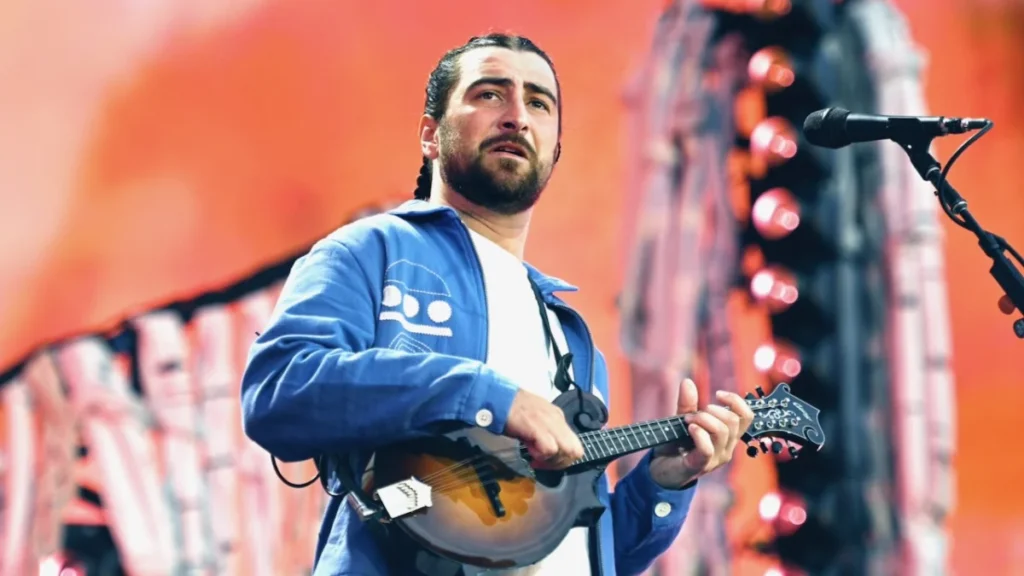

Musical artist Noah Kahan recently issued a direct and somewhat unconventional appeal to his fanbase, urging concertgoers to utilize proper restroom facilities following an incident during his performance in Philadelphia. The call for basic hygiene came after reports surfaced of a fan allegedly defecating near the stage at his Friday night concert, prompting Kahan to address the matter publicly via social media. This incident marks the second time in a short span that the popular singer-songwriter has had to remind his enthusiastic, yet sometimes overly exuberant, audience about appropriate conduct at live events, underscoring a growing discussion within the music industry about evolving fan behavior and venue decorum.
The Philadelphia Incident and Kahan’s Candid Response
The peculiar event unfolded during Kahan’s highly anticipated concert in Philadelphia, part of his ongoing and widely successful tour. While specific details regarding the exact location or the individual involved remain undisclosed by official channels, widespread reports and social media discussions among attendees quickly brought the alleged act of public defecation to light. The incident reportedly caused significant disruption and distress among nearby concertgoers and, crucially, for the venue staff responsible for maintaining a clean and safe environment.
Responding to the circulating accounts and a video purportedly documenting the aftermath, Kahan took to X (formerly Twitter) on Saturday, June 27, 2026, to share his thoughts. His post was notably direct and infused with his characteristic blend of humor and earnestness: "If you have to poop at a show please dear god just go to the bathroom lmao I’ve pooped my pants as much as the next 29 year old but you guys gotta understand there’s a venue worker out there with a 1000 yard stare after dealing with that." The message, while lighthearted in tone, carried a serious underlying plea for common sense and respect, particularly towards the often-overlooked venue personnel. Kahan’s candid admission about personal past experiences aimed to humanize his message, making it relatable while firmly setting a boundary for acceptable public conduct.
This public statement from Kahan highlights a contemporary challenge faced by artists and venues: managing the sometimes-unpredictable behavior of large crowds. The proliferation of social media means that such incidents, once confined to immediate attendees, can quickly become viral, drawing widespread attention and commentary. Kahan’s proactive approach in addressing the issue directly through his own platform demonstrates an artist’s attempt to engage with his community and reinforce standards of conduct, rather than letting speculation or unverified accounts dictate the narrative.
Broader Context: Fan Behavior and Concert Etiquette
The Philadelphia incident, while unusual in its specific nature, is not entirely isolated in the broader landscape of contemporary live music events. Over recent years, there have been increasing reports and discussions regarding various forms of problematic fan behavior, ranging from excessive littering and intoxication to more extreme instances like throwing objects onto stages or engaging in disruptive altercations. The music industry, including artists, venue operators, and event organizers, has been grappling with how to balance the celebratory atmosphere of concerts with the need to ensure safety, comfort, and respect for all attendees and staff.
For example, the reference in the original reporting to Olivia Rodrigo’s fans reportedly wearing adult diapers at her concerts, while distinct from the Philadelphia incident, points to a spectrum of unconventional or extreme behaviors some fans adopt to maximize their concert experience, often at the expense of personal hygiene or public decorum. While the motivations behind such acts vary—from a desire to maintain a prime viewing spot without interruption to sheer disregard for public spaces—the cumulative effect can detract significantly from the overall concert experience for others and impose considerable burdens on venue operations.
Concert etiquette has always been an unwritten code, but the digital age and the intensity of modern fandoms appear to be testing these boundaries. Artists like Noah Kahan, known for their authentic connection with their audience, are finding themselves in the unique position of having to directly address these issues, often in real-time, to preserve the integrity of their performances and the well-being of their community.
The Ascent of Noah Kahan and the "Stick Season" Phenomenon
To fully appreciate the context of Kahan’s appeal, it is important to understand his meteoric rise to prominence and the unique relationship he has cultivated with his fanbase. Noah Kahan, a 29-year-old singer-songwriter from Vermont, has captured global attention with his distinctive blend of folk-pop, often dubbed "Vermontcore." His music, characterized by introspective lyrics, heartfelt storytelling, and a raw, authentic delivery, frequently explores themes of small-town life, mental health, nostalgia, and the complexities of human connection.
His breakthrough came with the release of his third studio album, Stick Season, in 2022. The album, which features hit singles like the titular "Stick Season," "Northern Attitude," and "Dial Drunk," resonated deeply with millions, particularly younger audiences who found solace and relatability in his poignant narratives. Kahan’s earnest lyrics about grappling with anxiety, loneliness, and the feeling of being stuck in life struck a chord, creating a powerful sense of community among his listeners. This profound connection is a double-edged sword: it fosters intense loyalty and passionate engagement, but can also, in rare instances, manifest in behaviors that challenge conventional norms.
The success of Stick Season has propelled Kahan from a niche artist to a global phenomenon, leading to sold-out tours and massive festival appearances. His live shows are renowned for their communal atmosphere, with fans often singing along to every word, creating an almost spiritual experience. This fervent dedication, however, also places a greater responsibility on both the artist and the audience to maintain a respectful and safe environment.
A Pattern of Public Appeals: The Road Sign Incident
The Philadelphia incident is not the first time Kahan has had to publicly address fan behavior. Just days prior, he had made headlines for calling out fans who were reportedly stealing a specific Vermont street sign referenced in one of his Stick Season songs. The sign, which gained notoriety through its mention in his lyrics, became an object of pilgrimage and, unfortunately, theft for some overzealous fans.
Kahan’s plea regarding the stolen street signs highlighted another facet of problematic fan engagement: actions that, while perhaps stemming from admiration, cross legal and ethical boundaries. Stealing public property not only carries legal consequences but also disrupts local infrastructure and can pose safety hazards. His direct appeal on social media to cease these thefts underscored his commitment to his home state and his desire for fans to express their appreciation in ways that do not harm local communities or property. This prior incident establishes a pattern of Kahan using his platform to gently, yet firmly, guide his fanbase towards more responsible and respectful conduct, reflecting an artist deeply invested in the well-being of both his community and his audience.
The "Great Divide World Tour": Logistics and Expectations
The incidents of fan misconduct occur amidst the backdrop of Noah Kahan’s monumental "Great Divide World Tour." The tour, a testament to his global appeal, has been entirely sold out across five continents, indicating the immense demand for his live performances. Such a large-scale international tour involves intricate logistics, massive venue capacities, and diverse audiences, presenting significant operational challenges for both Kahan’s team and the host venues.
Managing hundreds of thousands of fans across different cultural contexts and enforcing consistent standards of behavior is a monumental task. Venues invest heavily in security, medical staff, and cleaning crews to ensure a smooth and safe experience. Incidents like public defecation place an unforeseen and undue burden on these resources, requiring immediate and often unpleasant cleanup efforts that divert staff from other critical duties. The sheer scale of the "Great Divide World Tour" means that even isolated incidents can quickly gain traction and potentially impact the tour’s reputation and the artist-fan relationship. For an artist like Kahan, whose appeal lies in his authenticity and relatability, maintaining a positive and respectful environment at his shows is paramount to the sustained success of his career and the integrity of his artistic vision.
Implications for Venue Operations and Staff Well-being
Kahan’s emphasis on the "1000 yard stare" of venue workers is a critical aspect of his message. It draws attention to the often-unseen labor and emotional toll experienced by event staff. These individuals, from security personnel to sanitation teams, are on the front lines, ensuring the smooth operation of concerts and addressing any issues that arise. Incidents of extreme fan behavior, particularly those involving public health hazards, place immense stress and additional workload on these workers.
Venue operators typically have protocols in place for medical emergencies, security breaches, and general maintenance. However, dealing with biohazards in a public, crowded setting often requires specialized cleaning procedures and can be emotionally taxing for staff. Kahan’s acknowledgment of this burden serves as a powerful reminder that concerts are not just about the artist and the audience; they are complex operations supported by a dedicated workforce whose well-being and dignity deserve respect. This perspective aligns with broader industry efforts to promote safer and more respectful working conditions for all personnel involved in live entertainment.
The Evolving Artist-Fan Dynamic in the Digital Age
Noah Kahan’s direct appeals to his fanbase exemplify a modern trend in the artist-fan relationship, largely facilitated by social media. In an era where artists can communicate instantly and directly with millions of followers, the line between performer and audience often feels more permeable. This direct line of communication allows artists to build deeper connections, share personal insights, and, as Kahan demonstrates, address issues of fan conduct in a more personal and immediate way than traditional media channels might allow.
However, this direct engagement also places artists in a position where they must navigate complex social dynamics. While Kahan’s message was well-received by many fans who appreciated his honesty and empathy for venue staff, such public calls for behavioral correction can sometimes lead to backlash or misinterpretation. The challenge for artists is to foster a sense of community and authenticity while also setting clear boundaries and expectations for respectful engagement, both online and at live events. The balance between maintaining an approachable persona and enforcing necessary decorum is a delicate one that many contemporary artists are continually negotiating.
Conclusion: A Call for Collective Responsibility
The incident in Philadelphia, and Noah Kahan’s subsequent public statement, serves as a poignant reminder of the importance of collective responsibility in shared public spaces, particularly at large-scale live events. While the energy and passion of concertgoers are integral to the live music experience, these must be tempered with respect for fellow attendees, venue staff, and the environment. Kahan’s candid appeal, rooted in empathy for the workers affected, underscores a fundamental expectation for basic hygiene and decorum.
As Noah Kahan continues his "Great Divide World Tour" to sold-out audiences across the globe, the conversation around fan behavior at live shows remains relevant. The incidents of road sign theft and the Philadelphia restroom mishap highlight the ongoing need for artists and venues to work collaboratively with their audiences to ensure that the magic of live music is preserved in an atmosphere of mutual respect, safety, and shared enjoyment for everyone involved. The responsibility ultimately rests with each individual to contribute positively to the collective experience, ensuring that the only "poop" at a Noah Kahan show is a turn of phrase, not a literal incident.