
The marriage of Sophie Rhys-Jones to Prince Edward on 19 June 1999, at the historic St George’s Chapel in Windsor Castle, marked not only a significant personal milestone for the couple but also a poignant closing chapter for 20th-century royal bridal fashion. The gown chosen by the then-future Countess of Wessex, and now Duchess of Edinburgh, was a testament to understated sophistication, classic design, and a subtle nod to heritage, perfectly encapsulating her personal style and ushering in a new era with grace and enduring elegance. This meticulously crafted ensemble, a blend of contemporary bridal trends and timeless royal tradition, has since become a celebrated piece in the annals of royal wedding attire.
The choice of St George’s Chapel, a location steeped in centuries of British royal history and the spiritual home of the venerable Order of the Garter, lent the occasion an almost medieval gravitas. This historical resonance was subtly woven into Sophie’s bridal look, with elements that evoked a sense of chivalry and timeless tradition. The wedding itself, while a modern union, possessed an atmosphere that harmonised with the ancient grandeur of its setting, a deliberate choice that spoke volumes about the couple’s appreciation for their heritage.
A Gown of Subtle Grandeur and Hand-Dyed Silk
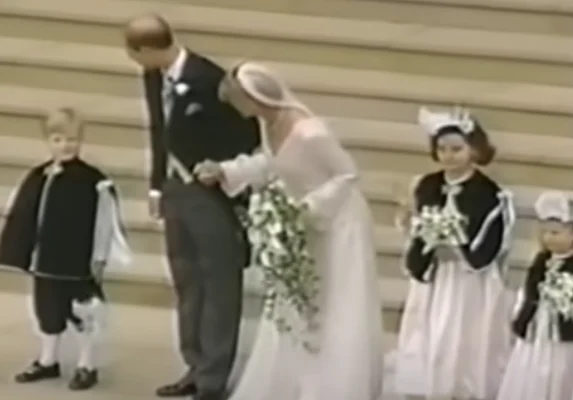
At the heart of Sophie’s bridal ensemble was a stunning coat dress, meticulously constructed from hand-dyed ivory silk organza, complemented by crepe and tulle. This choice of fabric offered a delicate sheen and a fluid drape, contributing to the gown’s ethereal quality. The design, conceived by the talented Samantha Shaw, featured a V-neck bodice that transitioned into elegant, full-length sleeves. The cuffs, styled with a gentle flare, were a subtle yet deliberate echo of the sartorial trends of the late Middle Ages, adding a unique historical dimension to the contemporary design.
The bodice, expertly tailored to create a fitted waist, then gracefully flowed into a skirt that subtly flared, culminating in a train of considerable length. This silhouette was both flattering and dignified, embodying a sense of regal composure. Complementing the gown was a sheer tulle veil, which was intentionally crafted to be an inch longer than the dress’s train. This detail created a visual extension, a delicate halo effect that billowed gently as Sophie ascended the steps into St George’s Chapel, a moment captured by photographers and etched into the collective memory of royal enthusiasts.
Embellishments of Discreet Radiance
While previous royal brides like Lady Diana Spencer and Sarah Ferguson had incorporated significant motifs and elaborate detailing into their wedding gowns, Sophie’s approach to embellishment was characterized by a more subtle yet impactful application of sparkle. The dress, train, and veil were adorned with an astonishing number of over 325,000 pearls and crystal beads. These were not randomly applied but arranged in discreet, artful patterns that imparted an overall lustrous glow to the entire ensemble.
The most visible placement of these intricate embellishments was on the front of the coat dress, where they formed neat, linear arrangements along the bodice and the opening of the skirt. This strategic application created focal points of shimmering light without overwhelming the dress’s inherent elegance. The effect was one of refined opulence, a testament to the power of subtle detail in creating a lasting impression. This meticulous hand-beading, a labour-intensive process, underscored the bespoke nature of the gown and the dedication to craftsmanship that defined its creation.

The Designer’s Vision: Samantha Shaw
The commission for the royal wedding dress was awarded to Samantha Shaw, a rising star in the couture world. Notably, Shaw had herself married just weeks prior to Sophie and Edward’s nuptials, a coincidence that added a unique personal connection to the project. Having established her first studio in Chelsea in 1995, following her studies in costume design, Shaw had already garnered a reputation for her skill and creativity. The announcement of her design for the Countess of Wessex’s wedding dress in April 1999 was met with considerable anticipation, highlighting the fashion industry’s keen interest in royal bridal commissions. Shaw’s approach, which blended modern aesthetics with historical influences, proved to be a perfect fit for the occasion.
A Symphony of Royal Jewels and Personal Touches
Sophie’s bridal ensemble was further elevated by the inclusion of exquisite royal jewellery, each piece chosen with intention and significance. The tiara, which held her veil in place, was a custom creation fashioned entirely from diamonds. It incorporated pieces from the personal collection of Queen Elizabeth II, expertly remodelled by David Thomas of the renowned jewellers Asprey and Garrard. This tiara was not merely an accessory but a symbol of continuity and the passing down of royal heritage.
In addition to the tiara, the bride wore a striking necklace and earrings, a thoughtful gift from her groom, Prince Edward. These pieces featured a sophisticated pairing of cream and black pearls, a deliberate choice that introduced a subtle yet impactful monochrome theme into her look. This pearl motif was a defining characteristic, lending an air of understated luxury and classic beauty.
A Coordinated Bridal Party and Floral Arrangement
The monochrome colour scheme established by Sophie’s jewellery extended to the outfits of her bridal party. Her two pageboys and two bridesmaids were dressed in black and white creations, designs that were also inspired by the regalia and symbolism of the Order of the Garter. This ensured a harmonious and visually cohesive presentation, reinforcing the event’s thematic elements.
The bride’s floral arrangements also embraced a similar aesthetic, featuring deep green foliage artfully arranged with pale cream flowers. This natural palette provided a refreshing contrast to the opulence of the gowns and jewels, highlighting the beauty of natural forms. As Sophie processed into and out of the chapel, her wedding shoes, designed by the esteemed Gina, were also glimpsed. These featured elegant three-inch heels, adding a touch of modern style to her otherwise classic attire.
Legacy and Enduring Appeal
While Sophie’s wedding gown may not be as widely discussed as some of its predecessors, its enduring appeal lies in its timeless elegance and understated sophistication. Nearly twenty-five years after her wedding day, the Duchess of Edinburgh’s bridal look remains a benchmark of classic bridal design. It served as a graceful conclusion to the lineage of 20th-century Windsor wedding dresses, simultaneously hinting at a new direction and evolving aesthetic for royal bridal fashion in the coming century.
The gown’s success lies in its ability to balance tradition with modernity, opulence with restraint. It reflected the personality of the wearer – elegant, composed, and with a keen eye for detail. The choice of Samantha Shaw as the designer also highlighted the increasing prominence of contemporary British fashion talent in dressing members of the Royal Family. This wedding dress, therefore, represents more than just a garment; it is a sartorial statement that speaks to heritage, personal style, and the evolving landscape of royal tradition.

Contextualizing the Royal Wedding of 1999
The marriage of Prince Edward and Sophie Rhys-Jones took place during a period of transition for the British monarchy. Following the death of Diana, Princess of Wales, in 1997, the Royal Family was navigating a delicate period of public perception and evolving engagement with the modern world. Prince Edward, the youngest son of Queen Elizabeth II and Prince Philip, Duke of Edinburgh, had pursued a career outside the Royal Household, working in television production. His marriage to Sophie, who also had a career in public relations, signalled a move towards a more modern, less traditional path for some members of the younger generation of royals.
The choice of St George’s Chapel, a venue favoured for many royal weddings due to its historical significance and manageable size compared to Westminster Abbey, provided an intimate yet grand setting. The date, 19 June 1999, fell on a Saturday, a common choice for royal weddings to allow for wider public participation and media coverage. The wedding was a significant media event, watched by millions globally, eager to witness the union of Prince Edward and his fiancée.
The ceremony itself was conducted by the Archbishop of Canterbury, George Carey, and the Dean of Windsor, Patrick Swithinbank. The guest list included members of the Royal Family, heads of state, foreign royalty, and prominent figures from the worlds of arts, entertainment, and public service. The procession through Windsor town after the ceremony was met with enthusiastic crowds, demonstrating continued public support for the monarchy.
The Significance of the Pearl and Black Pearl Motif
The deliberate inclusion of cream and black pearls in Sophie’s jewellery and the bridal party’s attire was a subtle yet significant design choice. Pearls have long been associated with royalty and purity, their lustre and timeless appeal making them a staple in royal jewellery collections for centuries. The pairing of cream and black pearls, however, introduced a contemporary twist. Black pearls, particularly the Tahitian variety, are known for their exotic allure and rarity, adding a touch of sophisticated modernity to the classic pearl aesthetic. This combination offered a visual representation of the blend of tradition and modernity that characterized the couple’s approach to royal life.
The Designer’s Background and Influence
Samantha Shaw’s background in costume design provided her with a unique understanding of historical silhouettes and fabric manipulation. Her experience studying and working in the field of theatrical and film costume likely informed her approach to creating a gown that was both visually stunning and structurally sound. Her early career success, culminating in the commission for a royal wedding dress, underscored her talent and growing influence in the British fashion scene. Her work on Sophie’s gown cemented her reputation as a designer capable of creating elegant, bespoke pieces for high-profile clients.
Broader Impact and Enduring Style Analysis
Sophie’s wedding dress stands as a quiet triumph of classic design, demonstrating that true elegance often lies in restraint and meticulous craftsmanship. In an era where bridal fashion can often lean towards the overtly dramatic, her choice was a refreshing affirmation of enduring style. The gown’s impact can be seen in its influence on subsequent bridal trends, encouraging a renewed appreciation for clean lines, subtle embellishments, and sophisticated silhouettes.
The Duchess of Edinburgh has consistently maintained a polished and elegant personal style throughout her years of public service. Her wedding gown was an early indicator of this sartorial sensibility. It resonated with a demographic of brides who sought a look that was both regal and relatable, sophisticated without being ostentatious. The dress, therefore, serves as a lasting symbol of her individual style and her contribution to the ongoing narrative of royal fashion. It reminds us that sometimes, the most memorable statements are those spoken in hushed tones of exquisite taste and timeless design.