
The global K-pop community and digital rights advocates have mobilized in a significant show of support for Kim Namjoon, known professionally as RM of the Grammy-nominated group BTS, after his physical appearance became the subject of a viral "looksmaxxing" campaign. The controversy, which began on short-form video platforms before migrating to mainstream social media, has reignited a broader conversation regarding the intersection of toxic internet subcultures, Eurocentric beauty standards, and the psychological impact of pseudo-scientific facial analysis.
The incident gained momentum in late April 2026, when several TikTok videos utilizing RM’s likeness began circulating within the "looksmaxxing" community. This subculture, which has seen a surge in popularity among young men, focuses on maximizing physical attractiveness through various methods, ranging from standard fitness routines to extreme and often dangerous "do-it-yourself" cosmetic procedures. In the viral clips, RM’s facial structure—specifically his jawline and chin profile—was analyzed using automated scoring apps and compared unfavorably to individuals with more prominent, "idealized" skeletal features.
The Rise of the Looksmaxxing Subculture
To understand the gravity of the critiques leveled against the BTS leader, it is necessary to examine the origins and methodologies of the looksmaxxing movement. Originally emerging from "involuntary celibate" (incel) forums and fringe imageboards, looksmaxxing operates on the premise that a person’s social and romantic success is almost entirely determined by their "sexual market value," which is calculated through rigorous, often mathematical, facial symmetry and bone structure assessments.
Within this community, terms such as "mewing," "PSL scores," and "bone smashing" are commonplace. "Mewing" refers to a tongue-posture technique claimed to reshape the jawline, while "PSL scores" (derived from the names of prominent lookism forums) represent a 1-to-10 rating scale based on specific aesthetic ratios. More alarming to medical professionals is "bone smashing," a practice where individuals intentionally inflict blunt force trauma to their facial bones, under the mistaken belief that the bones will heal in a thicker, more "masculine" shape.
In the case of RM, the viral content specifically targeted his profile, using his appearance as a "negative" example of "mouth breathing" consequences—a theory popularized within these circles suggesting that breathing through the mouth leads to a recessed chin and elongated facial features. These claims, while largely dismissed by the broader orthodontic and medical communities as oversimplifications of complex genetic and developmental factors, were used by anonymous creators to mock the artist’s visuals.
Chronology of the Viral Controversy
The timeline of the current controversy reflects the rapid speed at which digital harassment can escalate in the social media era.
On April 28, 2026, a series of videos appeared on TikTok under tags such as #mandible, #jawline, and #looksmaxxing. These videos used side-by-side comparisons of RM and Western models or AI-generated "ideal" faces. The creators utilized "PSL" scoring applications to assign numerical values to RM’s features, frequently labeling him with derogatory terms common in the subculture.
By April 29, 2026, a prominent post on X (formerly Twitter) shared one of these TikToks with a caption mocking RM for being used as a "fail" example by the looksmaxxing community. The post quickly garnered millions of impressions, moving the discourse from a niche subculture into the mainstream K-pop fandom, known as the ARMY.
On April 30, 2026, the backlash reached a peak. Fans and neutral observers began debunking the "scientific" claims made in the videos, while medical experts on social media weighed in to warn against the dangerous practices associated with the looksmaxxing trend. By the evening of April 30, "WE LOVE YOU NAMJOON" and other supportive hashtags began trending globally, as netizens sought to drown out the negativity with positive testimonials regarding RM’s influence and talent.
Medical and Sociological Pushback
The defense of RM has not been limited to fan adoration; it has also included a rigorous critique of the pseudo-science underlying the looksmaxxing movement. Dr. Neugarten, a prominent facial surgeon featured in related social media reactions, has frequently warned that intentionally applying trauma to the face—such as in the "bone smashing" trend—will not predictably reshape bone structure. Instead, such actions are likely to cause permanent nerve damage, fractures, and chronic pain.
Furthermore, sociologists have pointed out that the "looksmaxxing" critique of RM is deeply rooted in Eurocentric bias. Many of the features labeled as "sub-optimal" by these communities are, in fact, standard ethnic features for individuals of East Asian descent. By applying a rigid, Western-centric template of beauty to a Korean artist, the looksmaxxing community has been accused of perpetuating "nazi-adjacent rhetoric" and "scientific racism."

"The logic used to ‘score’ RM’s face is the same logic used in 19th-century phrenology," noted one digital culture analyst on X. "It attempts to use biology to justify a hierarchy of human value. When you see these communities dunking on an Asian man for not having a ‘hunter jaw’ or a specific brow ridge, you are seeing the intersection of modern incel culture and old-school racial bias."
Netizen Reactions and Public Defense
The response from the public has been overwhelmingly protective of the BTS leader. Many netizens noted the irony of targeting RM, a man celebrated not only for his musical genius and leadership but also for his role as a global cultural ambassador. RM has famously addressed themes of self-love and identity throughout his career, most notably during his 2018 speech at the United Nations, where he urged young people to "Speak Yourself" regardless of their appearance or background.
One viral response on X stated: "Listen, I’m not even a fan of BTS, but siding with literal incels and sharing their pseudo-science just to hate on RM is insane. You guys have no morals when it comes to K-pop." Another user pointed out, "The looksmaxxing community is obsessed with a version of ‘perfection’ that doesn’t exist in reality. To use a successful, talented human being as a ‘negative example’ because he doesn’t fit a specific TikTok filter’s idea of a jawline is the height of digital brain rot."
The defense also highlighted RM’s extensive list of accomplishments as a rebuttal to the idea that his "value" could be measured by a facial score. As the leader of the world’s largest musical act, a solo artist with the critically acclaimed album Indigo, and a respected figure in the global art world, RM’s influence far outweighs the aesthetic metrics of an anonymous online subculture.
Broader Impact and Implications for Digital Health
This incident serves as a stark reminder of the growing influence of "lookism" in digital spaces. The proliferation of AI-driven beauty apps and "facial analysis" tools has contributed to a rise in body dysmorphia among young social media users. By targeting high-profile figures like RM, these communities attempt to validate their ideologies, suggesting that if even a world-famous superstar can be "flawed," then the average person must strive even harder to achieve an impossible physical standard.
Industry experts suggest that this controversy may lead to stricter moderation of "looksmaxxing" content on platforms like TikTok and X. Many of these videos violate community guidelines regarding harassment and the promotion of dangerous physical acts (such as bone smashing). However, the decentralized nature of these subcultures makes them difficult to regulate entirely.
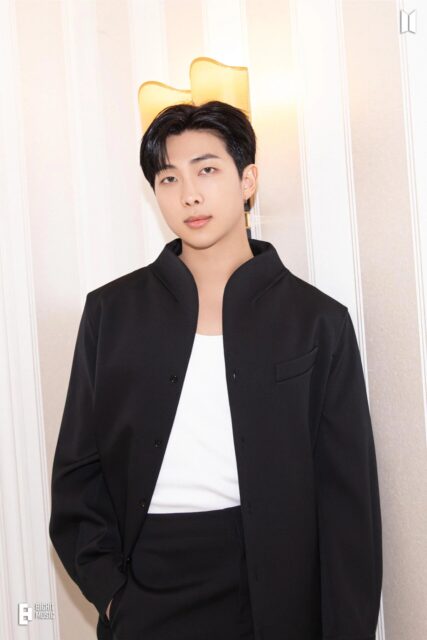
For the K-pop industry, the incident highlights a shift in the type of scrutiny idols face. While idols have always dealt with "visual" standards within the Korean entertainment industry, they are now being subjected to the hyper-specific, often more aggressive aesthetic critiques of Western-based "incel" subcultures. This cross-cultural friction requires a new level of digital literacy and mental health support for artists who find themselves the target of niche online movements.
Conclusion
As of May 2026, RM remains one of the most influential figures in global music, with his career trajectory unaffected by the fringe critiques of the looksmaxxing community. The overwhelming defense from netizens suggests that while toxic subcultures may gain temporary traction through viral algorithms, the broader public remains resistant to ideologies that reduce human value to skeletal measurements and pseudo-scientific rankings.
The discourse surrounding RM’s visuals ultimately reflects a larger struggle for the soul of the internet: a battle between a subculture obsessed with "maxxing" physical perfection at any cost, and a global community that values authenticity, talent, and the dismantling of rigid, exclusionary beauty standards. For the BTS leader, who has spent over a decade advocating for self-acceptance, the irony of being the catalyst for this conversation is profound, yet his fans believe it only reinforces the necessity of his message.