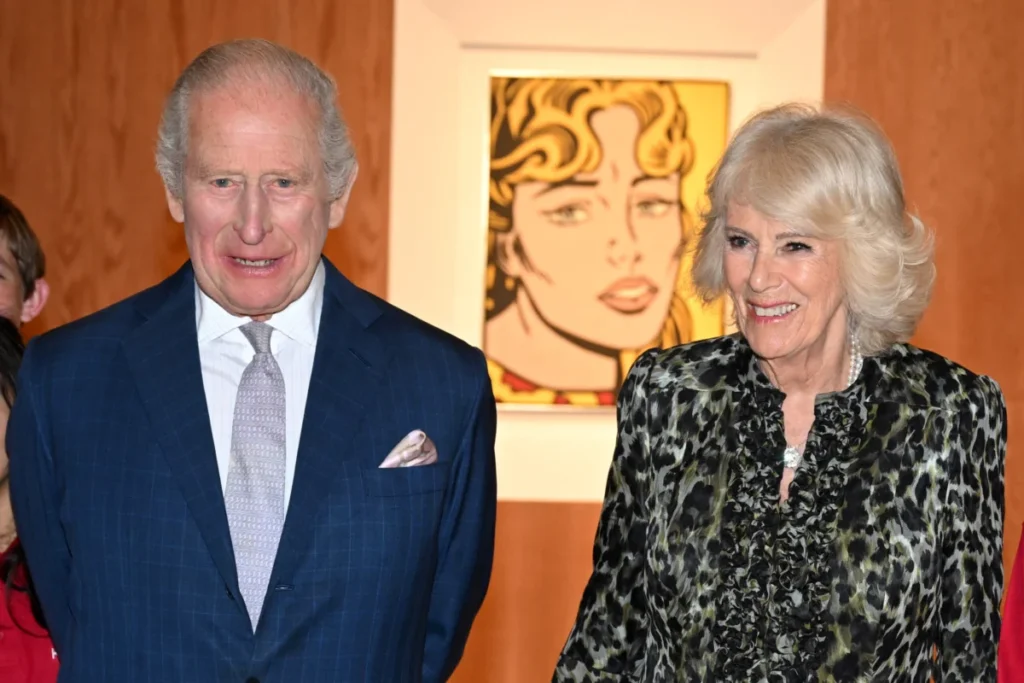

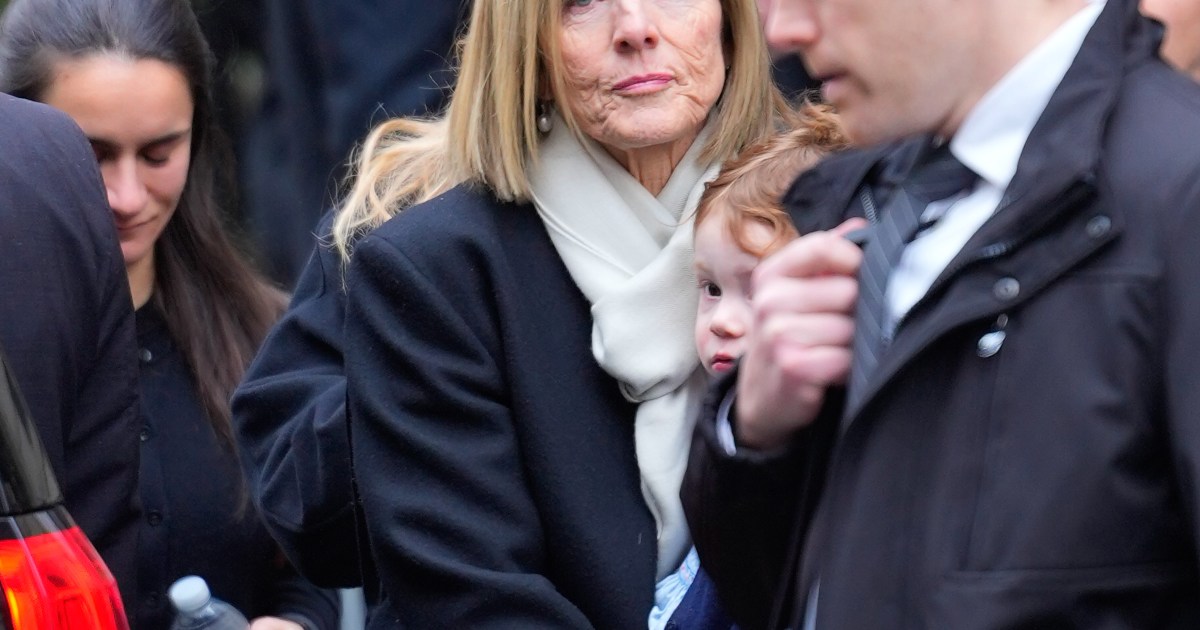
Caroline Kennedy, the former United States Ambassador and daughter of the late President John F. Kennedy, made a rare and poignant public appearance this week, joining King Charles III and Queen Camilla at a high-profile event in New York City. The gathering, hosted by the British monarch, served as a platform for the King’s Trust partnership with the Greater Together initiative. The event, held at Christie’s in Manhattan, was designed to celebrate and showcase the profound cultural impact of the United Kingdom on New York City, specifically through the lenses of the arts, athletics, and grassroots community initiatives. Kennedy’s presence at the event was viewed by observers as a significant gesture of international solidarity and a testament to the decades-long bond between the American political dynasty and the British Royal Family.
The engagement comes at a time of profound personal reflection for the Kennedy family. While Caroline Kennedy has historically maintained a degree of privacy, her public appearances have become even more infrequent following the tragic passing of her daughter, Tatiana Schlossberg, in December. Schlossberg, a respected environmental journalist and author, died at the age of 35 following a battle with leukemia. Her death marked another somber chapter for a family often defined by its public service and its private tragedies. Kennedy’s decision to attend the royal engagement in the wake of such a loss highlights the importance she places on the diplomatic and philanthropic ties that have long linked her family to the House of Windsor.
The Intersection of Philanthropy and Cultural Diplomacy
The event hosted by King Charles III was centered on the expansion of The King’s Trust—formerly known as The Prince’s Trust—within the United States. The Trust has increasingly focused on international partnerships, and its collaboration with Greater Together represents a concerted effort to address social inequality and provide opportunities for young people in urban centers like New York. By focusing on the arts and sports, the partnership aims to leverage cultural "soft power" to create tangible community benefits, such as job training and educational mentorship.
During the event, King Charles III and Queen Camilla met with various community leaders, artists, and athletes who have been influenced by British-American cultural exchanges. The presence of Caroline Kennedy, who served as the U.S. Ambassador to Japan under President Barack Obama and more recently as the U.S. Ambassador to Australia under President Joe Biden, added a layer of seasoned diplomatic gravitas to the proceedings. Her involvement signaled a high-level endorsement of the King’s charitable vision, bridging the gap between British royal philanthropy and American civic leadership.
A Legacy of Royal and Kennedy Relations
The relationship between the Kennedys and the British Royal Family is one of the most storied in modern history, dating back to the presidency of John F. Kennedy. The 1961 visit of President Kennedy and First Lady Jacqueline Kennedy to Buckingham Palace remains an iconic moment in 20th-century diplomacy. Over the decades, this connection has been maintained through successive generations. Caroline Kennedy has been a central figure in preserving this legacy, often acting as a bridge between the two families during official state functions and private commemorations.
In recent years, this bond was further solidified during the 2022 Earthshot Prize Awards Ceremony in Boston. Prince William, the Prince of Wales, chose the Massachusetts capital as the host city specifically because of its ties to the Kennedy legacy. The Earthshot Prize was directly inspired by President Kennedy’s "Moonshot" goal, which challenged the United States to land a human on the moon within a decade. Prince William sought to apply that same level of urgency and innovation to the global climate crisis. During that visit, Caroline Kennedy, along with her children Jack and Tatiana Schlossberg, hosted Prince William at the John F. Kennedy Presidential Library and Museum, providing a personal tour that highlighted the shared values of innovation and public service.
Honoring the Memory of Tatiana Schlossberg
The New York event was also a subtle tribute to the values championed by the late Tatiana Schlossberg. As an environmental journalist, Schlossberg was deeply committed to highlighting the complexities of climate change and sustainability. Her work, including her acclaimed book Inconspicuous Consumption: The Environmental Impact You Don’t Know You Have, sought to educate the public on the hidden environmental costs of daily life. Given that King Charles III has been a lifelong advocate for environmental conservation, the alignment of their interests adds a layer of quiet resonance to Caroline Kennedy’s appearance at a royal function.
Tatiana Schlossberg’s passing was a significant loss to both the journalistic community and the Kennedy family. She is survived by her husband, George Moran, and their two children. Her death from leukemia at such a young age echoed the many premature losses the Kennedy family has endured over the decades. Despite the weight of this grief, Caroline Kennedy’s participation in the King’s Trust event suggests a commitment to continuing the family’s tradition of public engagement and supporting initiatives that foster international cooperation and youth empowerment.
The Evolution of The King’s Trust in America
The King’s Trust has undergone a significant transition following the accession of King Charles III to the throne. Originally founded in 1976 to help disadvantaged young people in the UK, the charity has grown into a global enterprise. Its entry into the American market, particularly through the "Greater Together" partnership, reflects a strategic move to address global challenges through localized action. The New York City event showcased how British expertise in youth development can be adapted to the American context, focusing on the unique challenges faced by young people in one of the world’s most competitive cities.
The partnership focuses on several key pillars:
- The Arts: Utilizing New York’s status as a global arts hub to provide vocational training in creative industries.
- Sports: Engaging youth through community-based athletic programs that emphasize discipline, teamwork, and physical health.
- Community Initiatives: Supporting local non-profits that provide essential services, from mental health support to digital literacy.
By attending, Caroline Kennedy helped highlight the synergy between these goals and the long-standing Kennedy commitment to civil rights and social progress. Her background as an ambassador provided a unique perspective on how such charitable endeavors can strengthen the "Special Relationship" between the U.S. and the UK beyond traditional political channels.
Chronology of Recent Interactions
To understand the significance of this meeting, it is helpful to look at the timeline of interactions between Caroline Kennedy and the British Royal Family over the last several years:
- June 2021: Caroline Kennedy is nominated by President Biden to serve as the U.S. Ambassador to Australia, a key role within the Commonwealth sphere.
- December 2022: Prince William and Catherine, Princess of Wales, visit Boston for the Earthshot Prize. Caroline Kennedy and her children play a central role in welcoming the royals, emphasizing the "Moonshot" connection.
- May 2023: The coronation of King Charles III sees a continued emphasis on global partnerships, with the Kennedy family maintaining informal but steady communication with royal representatives.
- December 2025: The tragic death of Tatiana Schlossberg leads to a period of private mourning for the Kennedy family.
- Early 2026: King Charles III and Queen Camilla plan a visit to New York to launch the King’s Trust partnership, leading to Caroline Kennedy’s return to the public stage.
Broader Implications and Future Outlook
The appearance of Caroline Kennedy alongside the British monarchs carries weight beyond the immediate charitable goals of the event. It reaffirms the continued relevance of the Kennedy family in the American and international consciousness. While some have questioned whether the family’s influence would wane in the 21st century, Caroline Kennedy’s distinguished diplomatic career and her role as a custodian of her father’s legacy suggest otherwise.
There remains ongoing speculation regarding Caroline Kennedy’s future in public service. Having served two major ambassadorships in strategically vital nations—Japan and Australia—she has established herself as one of the most effective non-career diplomats in recent U.S. history. Her ability to navigate the complexities of international relations while maintaining the dignity of her family name has made her a respected figure on both sides of the political aisle. Whether she will seek another formal government post or continue her work through private philanthropy remains to be seen, but her participation in high-level events like the King’s Trust partnership indicates that she remains a vital player in global cultural diplomacy.
Furthermore, the expansion of The King’s Trust in the United States signals a new era for royal philanthropy. King Charles III appears determined to ensure that his legacy as monarch is defined by practical, cross-border solutions to social and environmental issues. By aligning with figures like Caroline Kennedy, the King is able to tap into a deep well of American institutional memory and public affection, ensuring that the partnership between the two nations remains vibrant and focused on the future.
In conclusion, the meeting in New York City was more than a mere social gathering; it was a symbolic intersection of history, grief, and hope. For Caroline Kennedy, it was a moment to honor her family’s past while supporting a vision for a more equitable future. For King Charles III and Queen Camilla, it was an opportunity to strengthen ties with an American family that has, for better or worse, become the closest equivalent to royalty in the United States. As the King’s Trust begins its work with Greater Together, the support of the Kennedy legacy will undoubtedly serve as a powerful catalyst for its success in the years to come.