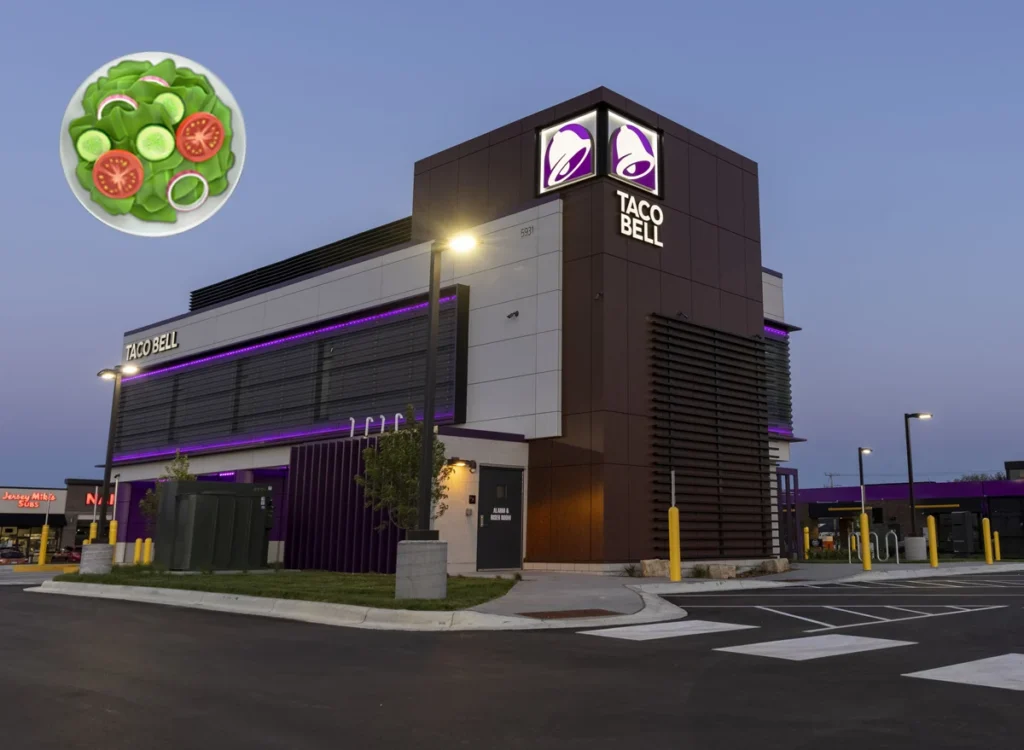

A widespread national outbreak of cyclosporiasis, an intestinal illness caused by the microscopic parasite Cyclospora cayetanensis, has been definitively linked to shredded iceberg lettuce supplied to numerous Taco Bell locations in the Midwestern United States. This significant development comes as federal health agencies, including the Centers for Disease Control and Prevention (CDC) and the Food and Drug Administration (FDA), continue their intensive investigation into the growing number of reported cases, which currently exceed 1,600 across the country. The implicated lettuce is reported to originate from a single supplier in Mexico, casting a spotlight on the complexities and vulnerabilities within global fresh produce supply chains.
Understanding Cyclosporiasis: The Silent Threat in Produce
Cyclospora cayetanensis is a single-celled parasite that can cause cyclosporiasis, an infection of the small intestine. The symptoms, which typically manifest about a week after exposure, include watery diarrhea, often described as explosive, accompanied by nausea, vomiting, abdominal cramps, bloating, gas, fatigue, and significant weight loss. While not usually life-threatening, the illness can be debilitating and protracted, lasting from a few days to a month or more, with relapses possible. The parasite is transmitted through the fecal-oral route, meaning individuals become infected by ingesting food or water contaminated with microscopic amounts of infected feces. Unlike some other foodborne pathogens, Cyclospora oocysts (the infective stage of the parasite) are not immediately infectious when shed in feces; they require several days to weeks in favorable environmental conditions outside the host to mature and become infectious. This characteristic often makes tracing the exact point of contamination challenging.
Fresh produce, particularly leafy greens, berries, and herbs, has historically been a common vehicle for Cyclospora outbreaks. The intricate surfaces of these foods, combined with their raw consumption, make them susceptible to contamination during cultivation, harvesting, washing, packing, or transportation. Contaminated irrigation water, unhygienic practices by farm workers, or even contaminated processing equipment can introduce the parasite into the food supply. Once present, the oocysts are difficult to remove through typical washing methods, especially on shredded or pre-cut produce, which offers more surface area for attachment and makes thorough rinsing even less effective.
A Chronology of the Outbreak and Investigation
The current outbreak began to surface in May, with initial reports of cyclosporiasis cases emerging across several states. The CDC, responsible for tracking and responding to public health threats, quickly recognized a pattern, noting an unusual spike in infections that indicated a widespread source rather than isolated incidents.
- May – Early June: Initial reports of cyclosporiasis cases begin to trickle into state health departments. The CDC initiates enhanced surveillance, urging states to report all confirmed cases. Early epidemiological investigations begin to look for common exposures among sick individuals.
- Mid-June: The number of reported cases escalates rapidly, prompting the CDC to issue public health alerts. Health officials in states like Michigan identify a growing cluster of illnesses and begin to suspect fresh produce, specifically lettuce or salad greens, as the potential culprit. However, at this stage, the exact product, grower, or supplier remained elusive.
- Late June – Early July: Federal and state investigators intensify their efforts. Through detailed patient interviews, a significant number of individuals who tested positive for cyclosporiasis reported having recently consumed food from Taco Bell. This commonality prompted health officials to focus their investigation on the popular fast-food chain, initiating a collaborative effort with Taco Bell to examine its supply chain.
- July (Specific Dates): Following weeks of meticulous investigation, including supply chain tracing and further epidemiological analysis, the CDC and FDA issued a crucial public notice. This announcement, made on a Thursday night in July, confirmed that the outbreak had been linked to shredded iceberg lettuce. The implicated lettuce was identified as originating from a single, unnamed supplier in Mexico and had been distributed to Taco Bell locations in five specific states: Indiana, Kentucky, Michigan, Ohio, and West Virginia. This marked a pivotal moment in the investigation, providing a concrete lead for containment and further inquiry.
- Immediate Response from Taco Bell: In light of the findings, Taco Bell promptly released a statement. The company announced its voluntary decision to remove all potentially affected lettuce from its supply chain in the identified states and committed to replacing its supplier nationwide for shredded iceberg lettuce. While Taco Bell did not publicly name the supplier, its swift action underscored the seriousness of the situation and the company’s commitment to consumer safety.
- Unveiling the Supplier and Broader Implications: Subsequent reports, citing two federal officials, identified Taylor Farms as the supplier of the affected shredded iceberg lettuce to Taco Bell. This information, first reported by The New York Times, added another layer to the unfolding story. Taylor Farms is a major producer of fresh-cut vegetables and salads, with products widely distributed to other restaurants and grocery chains, including Walmart, Whole Foods, and Target. This revelation immediately broadened the scope of concern, raising questions about whether the contaminated lettuce might have reached other food service establishments or retail outlets, even if the primary link identified so far was with Taco Bell. The FDA confirmed it was actively working with the supplier to determine the full distribution network of the contaminated product and increased border inspections for implicated produce. Taylor Farms, when approached for comment regarding its potential connection to the outbreak, had not issued an official statement.
Supporting Data and Public Health Burden
The sheer scale of this outbreak underscores the significant public health challenge posed by foodborne illnesses. With over 1,644 reported cases, and likely many more unreported due to individuals not seeking medical attention or testing, cyclosporiasis represents a substantial burden on healthcare systems and individual well-being. The economic impact extends beyond direct medical costs, encompassing lost productivity, investigation expenses, and potential losses for implicated businesses. The CDC’s role in surveillance and epidemiological investigation is critical, as is the FDA’s oversight of food safety regulations and supply chain integrity for imported produce. The agency’s increased border inspections are a direct response to the outbreak, aiming to prevent further contaminated products from entering the U.S. market. This proactive measure highlights the dynamic nature of food safety regulation, often evolving in response to emerging threats.
Official Responses and Industry Vigilance
The official responses from federal health agencies have been consistent in their focus on public safety and thorough investigation. The CDC and FDA have continued to emphasize the ongoing nature of their inquiry, particularly into cases not directly linked to Taco Bell and the full distribution network of the implicated lettuce. Their warnings to the public to avoid the specific lettuce from affected Taco Bell locations, and to take general precautions with produce, reflect a cautious but necessary approach.
Taco Bell’s public statement, while not naming its supplier, demonstrated a rapid corporate response to a public health crisis. The company’s commitment to "indefinitely remov[ing]" the product from its supply chain and replacing the supplier nationwide signals a proactive stance to restore consumer confidence and ensure food safety standards.
The alleged involvement of a major supplier like Taylor Farms, even without official confirmation or comment from the company, brings into sharp focus the vulnerabilities that can exist even within large, established food production networks. Food safety experts and consumer advocates frequently highlight the need for robust traceability systems within the food supply chain. Such systems are crucial for rapidly identifying and isolating contaminated products, thereby minimizing the scope and impact of outbreaks. This incident will undoubtedly prompt heightened scrutiny of existing food safety protocols, both at the farm level in source countries and within U.S. processing and distribution centers.
Broader Impact and Implications for the Food Industry
This Cyclospora outbreak carries several significant implications for the broader food industry and consumers alike.
- Globalized Supply Chains and Traceability: The incident underscores the inherent challenges in managing globalized food supply chains. Fresh produce often travels vast distances, crossing international borders, and involves multiple handlers, making it complex to pinpoint the exact point of contamination. This outbreak will likely intensify calls for enhanced traceability technologies and stricter oversight of imported produce, particularly from regions known for potential food safety risks. The FDA’s Food Safety Modernization Act (FSMA) aims to shift the focus from responding to contamination to preventing it, but implementation and enforcement across the entire global supply chain remain a continuous challenge.
- Consumer Trust and Confidence: Repeated outbreaks, especially those involving common food items like lettuce from popular establishments, can erode consumer trust in the safety of the food supply. Consumers may become more wary of fresh, pre-cut produce, which is a staple in many diets. Restoring this trust requires transparent communication from companies and regulatory bodies, along with demonstrable improvements in food safety practices.
- Economic Consequences: Beyond the immediate costs of investigation and medical treatment, businesses involved can face substantial financial repercussions. Recalls, voluntary removals, lost sales, brand damage, and potential litigation can have a significant economic impact on restaurants, suppliers, and retailers. This serves as a stark reminder of the financial imperative for robust food safety programs.
- Industry Best Practices and Prevention: The outbreak will undoubtedly spur the food service and produce industries to re-evaluate and strengthen their Good Agricultural Practices (GAPs) and Good Manufacturing Practices (GMPs). This includes more rigorous water quality testing, improved worker hygiene training, enhanced sanitation protocols in processing facilities, and better environmental controls in growing regions. The focus will likely shift even further towards preventative measures throughout the entire farm-to-fork continuum.
- Public Health Awareness: Such events serve as crucial reminders for the public to practice safe food handling at home. While industry and regulators bear primary responsibility for food safety, consumers also play a role. Health officials have reiterated general advice: thoroughly wash all produce under running water, even if pre-washed, and cook produce when appropriate. For items like lettuce, removing and discarding the outer leaves and washing the remaining layers thoroughly can offer an additional layer of precaution, though it does not guarantee the elimination of all parasites.
The ongoing investigation into the Cyclospora outbreak linked to shredded iceberg lettuce highlights the constant vigilance required to maintain a safe food supply. As federal agencies continue their work to fully understand the scope and source of contamination, the incident serves as a critical case study for improving food safety standards, enhancing supply chain transparency, and safeguarding public health against future threats. The collaborative efforts between government, industry, and consumers will be paramount in navigating the complexities of modern food production and ensuring the safety of what we eat.