
The 2026 edition of Milan Design Week (MDW) has solidified its position as the preeminent global forum for the intersection of industrial design, luxury fashion, and architectural innovation. Combining the 64th edition of Salone del Mobile at the Rho Fiera fairgrounds with the sprawling city-wide activations known as the Fuorisalone, the event transformed Milan into a living laboratory for the future of the domestic environment. This year’s exhibition was marked by a distinct return to physical materiality, a significant expansion of luxury fashion houses into home furnishings, and an overarching focus on "ritualistic" sustainability. Preliminary reports suggest that visitor numbers exceeded 380,000, representing a 15% increase from the previous year and highlighting the continued economic vitality of the global design sector, which is currently valued at over $600 billion.
.jpg)
The Strategic Resurgence of Salone del Mobile and the Fiera
Historically, the Fiera—the massive fairground complex located in Rho—has served as the commercial anchor of Milan Design Week. While recent years saw a shift in attention toward independent "satellite" events in the city center, 2026 marked a strategic resurgence for the fairgrounds. Central to this comeback was the introduction of "Raritas," a dedicated section curated to engage with the burgeoning collectible design movement.
The scenography for Raritas, designed by the acclaimed studio Formafantasma, provided a curated atmosphere that allowed high-end galleries such as Nilufar and Side Gallery to present works in a context that blurred the lines between furniture and fine art. Within this space, Dutch designer Sabine Marcelis presented a monumental liquid sculpture composed of resin and oil, an engineering feat that explored the optical properties of transparency and movement. Marcelis noted that the fair is reclaiming its relevance by providing a centralized hub for large-scale innovation that cannot be easily replicated in the smaller, fragmented spaces of the city center.

Simultaneously, the EuroCucina biennial exhibition showcased the evolution of the kitchen from a functional utility space to a wellness sanctuary. New Zealand-based luxury appliance manufacturer Fisher & Paykel led this trend with their "Nature-Ritual" installation. The company utilized hand-carved Tōtara wood and volcanic basalt to create residential vignettes that integrated advanced technology—such as dual-zone refrigeration and energy-efficient fabric care closets—into a design language inspired by the natural world.
The Intersection of High Fashion and Domestic Design
One of the most significant economic and creative trends observed during MDW 2026 was the deepening involvement of heritage fashion houses in the home décor market. Analysts suggest that the "home" category is currently the fastest-growing segment for luxury brands, as consumers increasingly seek to align their living spaces with their personal fashion identities.

Louis Vuitton continued its "Objet Nomades" series with a notable retrospective and expansion, featuring a collaboration inspired by the late French decorator Pierre Legrain. The presentation emphasized the use of high-quality textiles and intricate joinery, reinforcing the brand’s trunk-making heritage. Similarly, Hermès showcased a collection defined by "bohemian minimalism," featuring hammered metal accents and cashmere blankets with Southwestern influences, signaling a move away from rigid modernism toward a softer, more artisanal aesthetic.
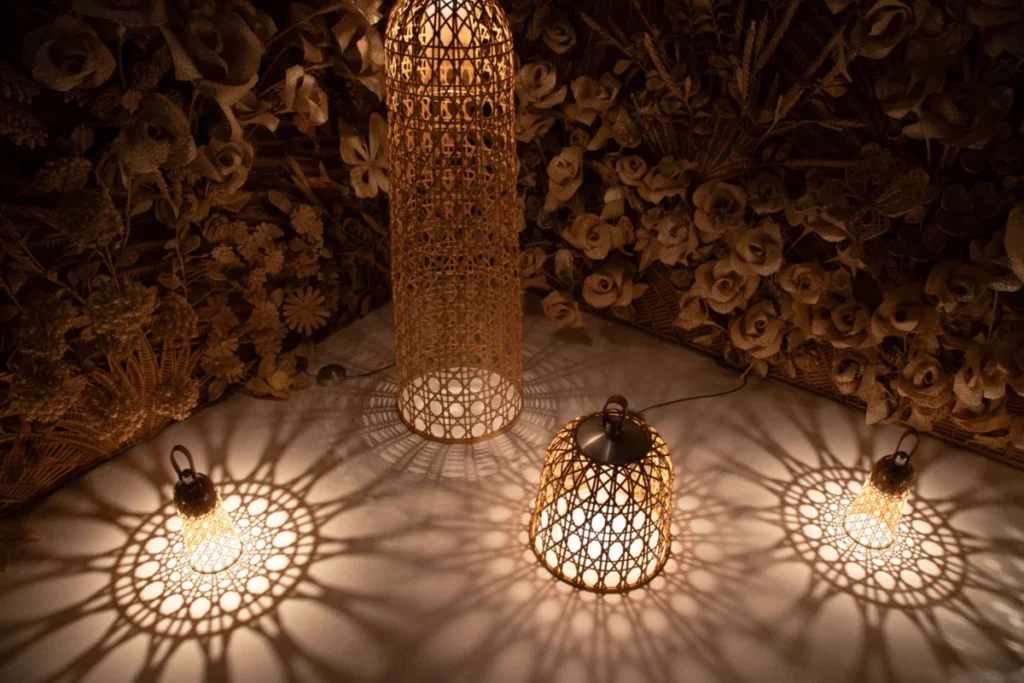
Dior collaborated with French designer Noé Duchaufour-Lawrance to produce a series of portable lamps that highlighted the brand’s glassmaking expertise. The presentation was enhanced by a large-scale rattan floral installation by Thai artists Korakot Aromdee and Vasana Saima, demonstrating how fashion brands are using MDW to commission significant works of public art. Ralph Lauren also made a substantial impact, utilizing a private palazzo to debut the "Sterling Square" and "Saddlebrook" collections. These collections reflected a dual focus on Art Deco-inspired urban lines and rustic, country-inspired jacquards, respectively.

Architectural Context: The Rise of the Private Apartment Exhibition
A defining characteristic of the 2026 Fuorisalone was the movement toward "apartment living" as a mode of exhibition. Rather than utilizing neutral gallery spaces, many top-tier designers opted for private residences, providing a more intimate and historically grounded context for their work.
A primary example was the Interni Venosta installation by Dimorestudio, held within the Palazzo Olivazzi. The apartment, designed in 1947 by the legendary Italian architect Osvaldo Borsani, remains in the possession of the original commissioning family. Dimorestudio cofounder Britt Moran described their approach as a "light touch," integrating contemporary rectilinear sofas and polished steel vases with Borsani’s original stone breakfast tables and bas-relief fireplaces. This approach highlights a broader trend in the design industry: the preservation of mid-century Italian architectural heritage through modern creative interventions.

In the Cinque Vie district, one of Milan’s oldest neighborhoods, the trend continued with Osanna Visconti’s bronze creations displayed alongside vintage pieces sourced from Dimore. The juxtaposition of heavy, cast-bronze furniture within the narrow, historic streets of the district offered a sensory experience that emphasized the "permanence" of material in a rapidly changing digital world.
Sustainability as a Core Design Philosophy
Sustainability in 2026 has moved beyond mere marketing terminology to become an integrated component of product engineering. The collaboration between Kohler and Flamingo Estate served as a primary case study for this shift. Their "Flamingo Estate Bathhouse" installation introduced the "Reverie" freestanding tub, a copper vessel constructed from over 80% recycled materials.

The installation also featured "pollinator baths" designed by Richard Christensen, intended to support local ecosystems. This project reflects a growing consumer demand for products that serve both aesthetic and ecological functions. Industry experts suggest that the "wellness" sector of the home market is increasingly defined by how a product manages resources, such as water and energy, while maintaining a luxury finish.
Italian surfaces manufacturer Antolini furthered this narrative by extending its collaboration with Bang & Olufsen to the outdoors. Their new Beosound Haven landscape speaker, mounted on a quartzite pedestal, demonstrated how natural stone—a traditionally indoor material—is being re-engineered for durability in exterior environments, reflecting the post-pandemic trend of treating outdoor spaces as "open-air living rooms."

Emerging Talent and the Role of Experimental Platforms
The platform "Alcova," which takes over abandoned or unconventional architectural sites, remains the primary venue for scouting emerging design talent. In 2026, Alcova utilized Franco Albini’s Villa Pestarini, a 1939 Rationalist residence, and an erstwhile military hospital.
Highlights from the emerging sector included:

- Kiki Goti: The Greek designer presented marble furniture that engaged in a dialogue with Albini’s original Rationalist architecture.
- Ma-Ma: An architectural duo showcasing modular furniture systems designed for the increasingly fluid and multifunctional nature of modern urban apartments.
- Natalia Triantafylli and Andrew Pierce Scott: Their work, a hybrid of metalwork and ceramics, was described by observers as a contemporary riff on the Arts and Crafts movement, emphasizing "delightfully freaky" forms that challenge traditional notions of beauty.
The "Convey" fair also emerged as a critical site for new talent, featuring the Joshi/Greene aluminum rail system—a modern, industrial interpretation of the traditional Shaker peg rail. These platforms are essential for the design ecosystem, as they allow smaller studios to gain visibility alongside multi-billion-euro corporations.
Aesthetic Shifts: The Return of ’90s Minimalism
From a stylistic perspective, MDW 2026 signaled a definitive move away from the "maximalism" of previous years toward a refined, ’90s-inspired minimalism. Minotti’s presentation was the vanguard of this movement, featuring low-slung leather sofas, lacquered wood, and Venetian blinds. The aesthetic drew comparisons to the clean, sophisticated lines associated with mid-1990s New York City fashion and interior design. This "new minimalism" is characterized by "chunky" proportions and a focus on high-quality tactile materials, such as chrome and top-grain leather, providing a sense of stability and permanence in an era of rapid technological change.

Conclusion: The Broader Impact of Milan Design Week 2026
The 2026 edition of Milan Design Week has demonstrated that the industry is navigating a complex balance between heritage and innovation. The event serves not only as a commercial marketplace but as a significant cultural barometer. The integration of high fashion, the emphasis on historical architectural contexts, and the advancement of sustainable manufacturing processes indicate a maturing market that is increasingly focused on longevity and ritual over ephemeral trends.
As the global economy faces ongoing challenges, the success of MDW 2026 underscores the resilience of the luxury and design sectors. The event’s ability to generate significant tourism revenue—estimated at over €250 million for the city of Milan—confirms its status as an essential pillar of the Italian economy and the global creative industry. Looking forward, the trends established this week—specifically the "open-air living" movement and the "ritualization" of domestic chores through smart technology—are expected to define the consumer market for the next decade.