
The Significance of the CLICK-B RE: CLICK Reunion
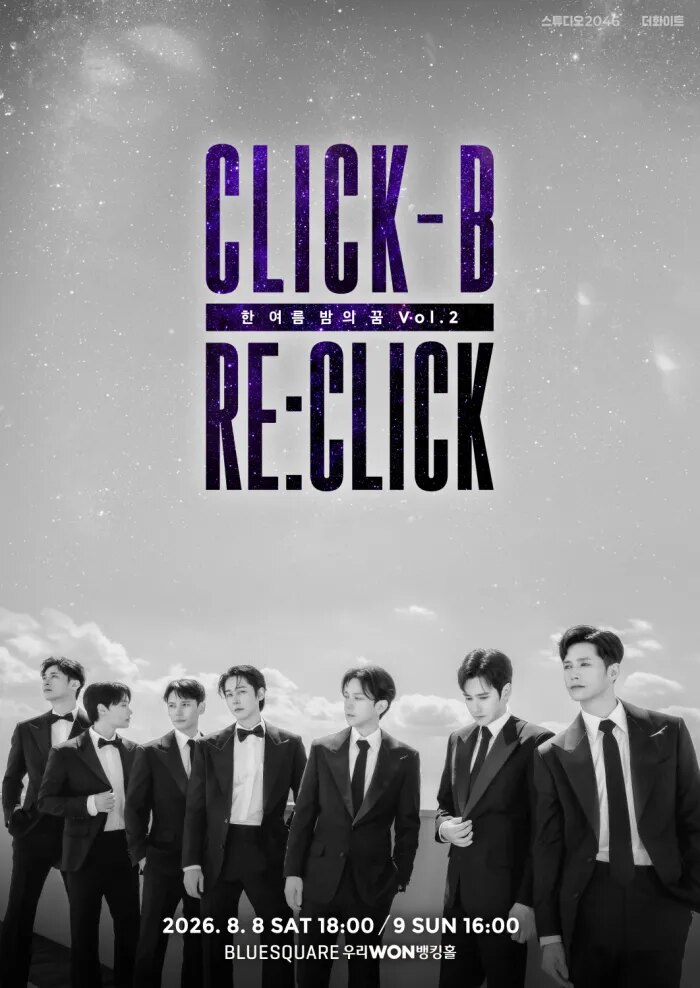
Click-B, a hybrid band-idol group formed under DSP Media (formerly DSP Entertainment) in 1999, remains a seminal fixture in the history of Korean pop music. Comprising members Kang Hoo, Oh Jong-hyuk, Kim Sang-hyuk, Woo Yun-suk, Yoo Ho-suk, Ha Hyun-gon, and No Min-hyuk, the group was unique for its ability to transition between high-energy dance tracks and live rock band performances. Their 27th-anniversary concert is particularly noteworthy as it represents the first time the full seven-member lineup will share a stage in 11 years. The last time the complete group performed together was in 2015 during their "Reborn" comeback, which followed a lengthy hiatus and various individual pursuits.
The "RE: CLICK" concert was intended to be a celebration of longevity and the enduring bond between the artists and their fans, known as "Nizi." Given that Click-B has not been active as a full unit for over a decade, ticket demand was expected to be high. However, the logistical planning of the venue has overshadowed the musical anticipation.
The Catalyst for Backlash: Seating Chart Analysis
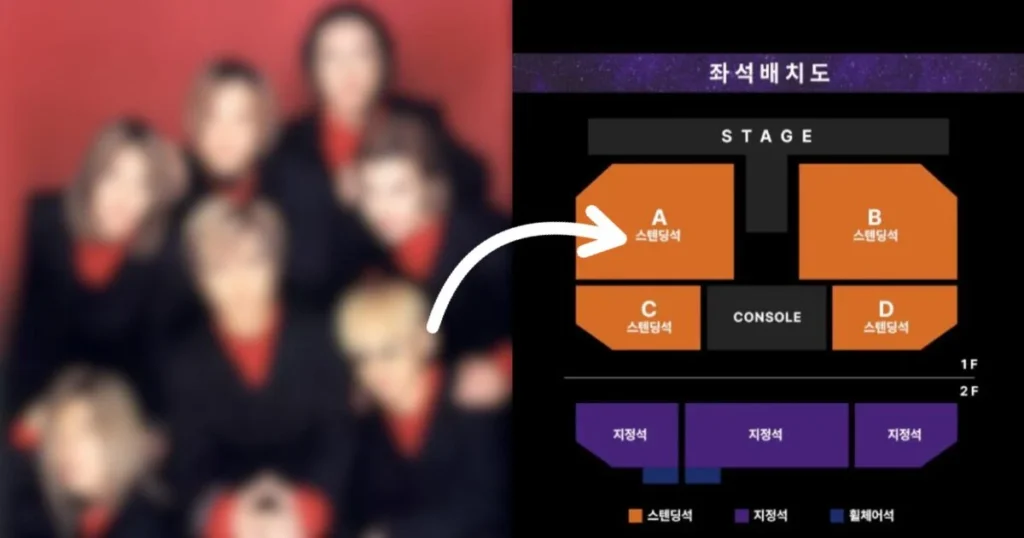
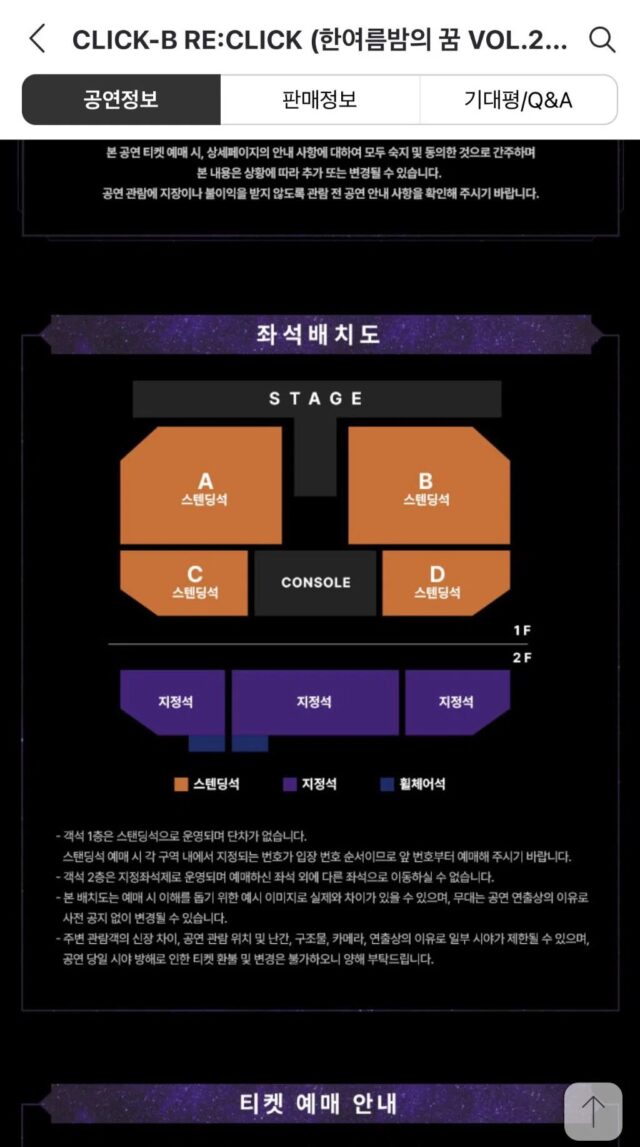
The controversy erupted when the official seating chart for the Seoul concert was uploaded to ticketing platforms and social media. The diagram revealed that the vast majority of the "ground" area—the section closest to the stage—consists of standing-only zones. In modern K-pop concerts featuring younger "fourth-generation" or "fifth-generation" groups, standing sections are standard, as the primary demographic consists of teenagers and young adults with the physical stamina to endure several hours of standing and jumping.
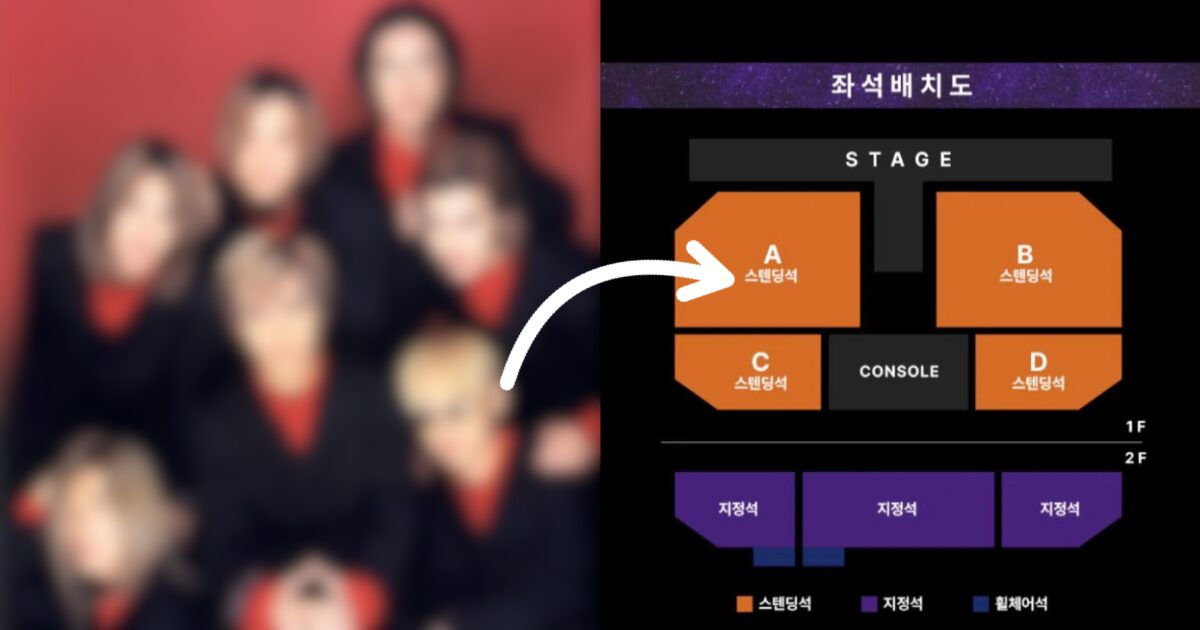
For Click-B, however, the demographic reality is starkly different. Having debuted in 1999, the group’s core fanbase now largely consists of individuals in their late 30s, 40s, and even early 50s. These are the fans who supported the group during the "Dream Concert" era of the early 2000s. Online communities, including Instiz and various K-pop forums, were quickly flooded with complaints from fans who argued that a standing-room-only arrangement is physically impractical for an older audience.
"We aren’t in our teens anymore," one fan noted in a viral post. "Our loyalty hasn’t changed, but our joints certainly have. Planning a two-hour concert with standing sections for a 27-year-old fandom is a complete lack of market research."
Historical Context: Click-B’s Evolution and Previous Reunions
To understand the weight of this backlash, one must look at the history of Click-B and the expectations set by other first-generation reunions. Click-B initially debuted as a seven-member group but was reduced to a four-member lineup in 2002 after the departure of Ha Hyun-gon, No Min-hyuk, and Yoo Ho-suk. The group eventually went on an indefinite hiatus as members pursued military service, acting careers, and solo musical projects.
The group’s 2015 reunion was a landmark moment, proving that there was still a viable market for "First-Gen" idols. During that period, the "Infinite Challenge: Totoga" special had ignited a nationwide retro craze in South Korea, leading to the successful returns of groups like S.E.S., Sechs Kies, and H.O.T. In almost every instance of these legacy reunions, concert organizers prioritized seated venues or "all-seated" floor plans to accommodate the age of the attendees.

By choosing a standing-heavy layout for the 2026 "RE: CLICK" concert, the promoters appear to have deviated from the established industry standard for "nostalgia" concerts. Critics argue that this decision prioritizes venue capacity and ticket revenue over fan safety and comfort.
Comparative Data: Industry Standards for Legacy Acts
When comparing Click-B’s concert plan to other recent veteran K-pop events, the discrepancy becomes clearer. For example:
- g.o.d (Greatest of All Time): Their recent anniversary tours have utilized major stadiums but maintained a high ratio of seated floor sections, specifically marketed as "VIP Seating" to allow older fans to enjoy the show without physical strain.
- Shinhwa: Known for their high-energy performances, Shinhwa has historically balanced standing pits with extensive tiered seating, often providing detailed "comfort guides" for their long-term fans.
- Sechs Kies: Their reunion concerts at the Olympic Gymnastics Arena featured a floor plan that maximized seating, acknowledging that their fans, many of whom are now parents, prefer a more stable viewing environment.
The Click-B seating chart, by contrast, resembles the layout of a club show or a festival geared toward Gen Z, which many fans find disrespectful to the long-standing relationship they have maintained with the group.
Chronology of Click-B’s Major Milestones
The current backlash is the latest chapter in a long and storied history for the group. A timeline of their journey highlights why this 11-year reunion was so highly anticipated:
- August 1999: Click-B debuts under DSP Media with their first album, Click-B 1st.
- 2000–2001: The group reaches peak popularity with hits like "Undefeatable" and "Cowboy," winning multiple Bonsang awards.
- 2002: The group reorganizes into a four-member unit (Oh Jong-hyuk, Kim Sang-hyuk, Woo Yun-suk, Kang Hoo).
- 2005: The group releases their last major project before a long-term hiatus.
- 2011: Several members reunite for a brief digital single, but not the full lineup.
- 2013: The full seven-member lineup makes a surprise appearance at the DSP Festival, sparking rumors of a comeback.
- October 2015: Click-B officially returns as a seven-member group with the album Reborn and a solo concert.
- 2016–2025: Members focus on individual activities, including musical theater (Oh Jong-hyuk) and variety shows (Kim Sang-hyuk).
- July 2026: The 27th-anniversary concert CLICK-B RE: CLICK is announced for August.
Economic and Social Implications of the Controversy
The backlash against the seating chart highlights a broader issue within the K-pop industry: the "Silver Economy" of fandom. First-generation fans are often the most lucrative demographic for entertainment agencies. Unlike younger fans who may rely on allowances, fans in their 30s and 40s possess significant disposable income. They are willing to pay premium prices for VIP packages, high-quality merchandise, and comfortable concert experiences.
By failing to provide adequate seating, organizers risk alienating their most loyal and financially stable consumer base. Marketing analysts suggest that the "experience economy" for older demographics should focus on "luxury and comfort" rather than "intensity and endurance."
Furthermore, there are safety concerns. In a standing-room environment, "crowd crush" and exhaustion are real risks, particularly if the audience is not accustomed to the physical rigors of a mosh pit or a standing pen. If an attendee were to suffer a health emergency due to the lack of seating, the reputational damage to the group and the organizing agency could be permanent.
Potential Responses and Adjustments
While the concert organizers have not yet issued a formal statement in response to the viral backlash, industry insiders suggest that a "re-zoning" of the venue is possible. In the past, other K-pop promoters have responded to similar fan outcries by replacing standing sections with temporary folding chairs or re-categorizing ticket tiers.
If the organizers of CLICK-B RE: CLICK choose to maintain the current layout, they may face a sluggish ticket sales period or a high rate of refund requests. Conversely, a swift adjustment to an all-seated or majority-seated format would likely be seen as a gesture of respect toward the fans, potentially boosting the group’s image and ensuring a more positive atmosphere for the 27th-anniversary celebration.
Broader Impact on the K-Pop Industry
The Click-B controversy serves as a cautionary tale for agencies looking to capitalize on the "retro" trend. As more legendary groups from the 90s and early 2000s plan reunions, the industry must develop a specialized approach to concert production that accounts for the physiological needs of an aging audience.
The "idol" model is no longer just for the youth; it is a lifelong connection. For Click-B, a group that has survived lineup changes, industry shifts, and a decade-long hiatus, the 27th-anniversary concert should be a victory lap. Whether it remains a celebration or becomes a footnote of mismanagement will depend on how the organizers address the concerns of the fans who have waited 11 years to see their idols stand together—so that the fans don’t have to.
As the August 8 performance date approaches, the eyes of the K-pop community remain on the "RE: CLICK" organizers. The resolution of this seating dispute will likely set a precedent for how future "First-Gen" reunions are managed in an era where the fans are growing older, but their passion for the music remains as vibrant as it was in 1999.