
The Narrative Arc of the 2026 Campaign
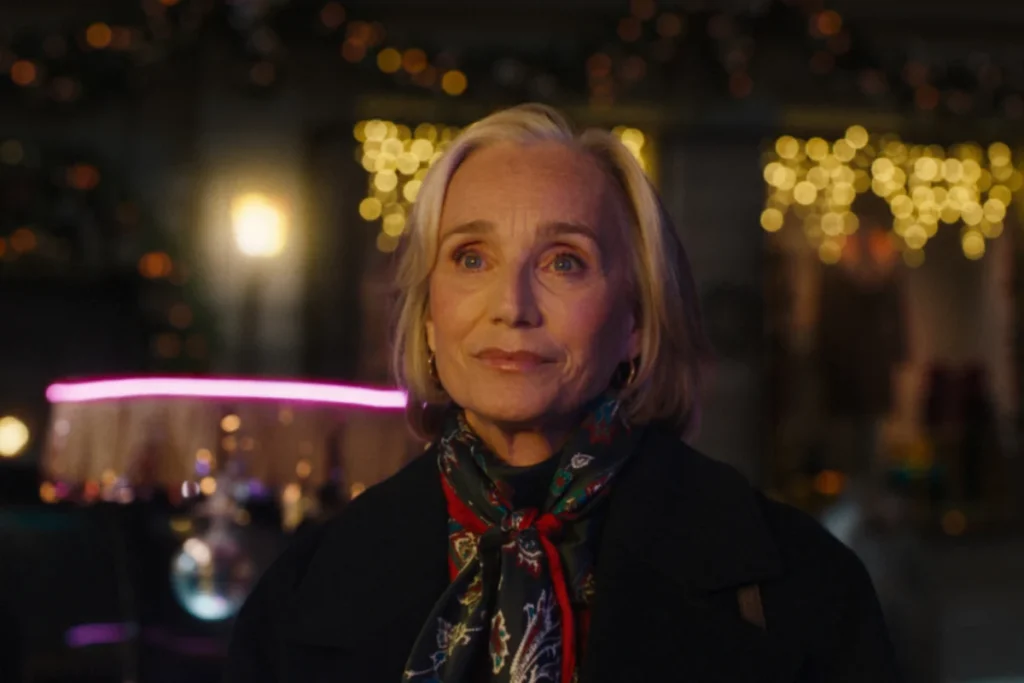
In the film, Dame Kristin Scott Thomas plays a grandmother who finds her meticulous festive preparations disrupted when her two young grandchildren, Freddie and Maggie, inadvertently create chaos in her study while attempting to stave off their boredom. The narrative is anchored by the presence of "Pickles," a pull-along wooden dog voiced by British comedian Paul Whitehouse. The campaign’s soundtrack features a stirring, pared-back cover of The Rolling Stones’ 1969 classic "You Can’t Always Get What You Want," performed by singer-songwriter Sam Fender.
The creative direction of this year’s advertisement reflects a strategic shift toward themes of persistence and the enduring nature of generosity. By focusing on the bond between generations, the brand aims to tap into the post-pandemic cultural sentiment that emphasizes the importance of meaningful, thoughtful gifting over material excess.
A Legacy of Festive Storytelling
Since the inception of its dedicated Christmas advertising strategy in 2007, John Lewis has established a reputation for producing high-production-value short films that have become an unofficial signal of the start of the British holiday season. These advertisements are frequently noted for their emotive storytelling, high-profile celebrity cameos, and carefully curated soundtracks.
The brand’s foray into celebrity-led campaigns reached a zenith in 2018 with "The Boy and the Piano," which featured Sir Elton John. That three-minute production served as a retrospective of the performer’s life and career, culminating in a four-year-old version of the star receiving his first piano as a Christmas gift from his grandmother. Set to his 1971 hit "Your Song," that particular campaign underscored the long-term impact of a single, well-considered gift, a theme that mirrors the current 2026 campaign’s emphasis on the profound ripple effects of generosity.

Over the last two decades, the "John Lewis sound" has become a cultural phenomenon, with many artists achieving mainstream success following their involvement. Previous contributors to the campaign’s musical identity include:
- 2010: Ellie Goulding
- 2013: Lily Allen
- 2014: Tom Odell
- 2015: Aurora
- 2021: Lola Young
Chronology of Production and Cultural Context
The production of the 2026 campaign took place amidst Dame Kristin Scott Thomas’s busy schedule in the West End. Her current theatrical work includes a high-profile turn in The Cherry Orchard, where she portrays the aristocrat Ranevskaya, who returns to Russia from Paris to face the potential loss of her family estate. This theatrical commitment highlights the actress’s ability to balance mainstream commercial projects with demanding, classic dramatic roles.
The overlap between her professional stage life and the commercial shoot has provided an interesting backdrop for interviews. When discussing the challenges of modern performance, the actress offered insight into the etiquette of live theatre. Addressing the issue of audience distractions, she noted: "Probably not [would I speak out] because that would interrupt what I’m doing. It’s really hard sometimes. I can’t stand it. I have to really control myself." Despite these frustrations, she remains a staunch supporter of the London theatre scene, describing audiences as "particularly brilliant" and noting that theatre-going is deeply embedded in the cultural fabric of the city.
Data and Consumer Trends in Holiday Advertising
The decision to utilize a celebrity of Dame Kristin Scott Thomas’s stature is part of a broader marketing trend toward "prestige casting" in holiday advertising. According to industry analysts, high-end retail brands have increasingly moved toward storytelling that focuses on heritage and human connection to mitigate the effects of economic fluctuations.
In 2026, the retail sector has faced significant pressure regarding consumer spending habits. The "Don’t give up on giving" tagline is viewed by market observers as a calculated effort to combat "gift fatigue"—a phenomenon where consumers, feeling overwhelmed by rising costs and economic uncertainty, opt for fewer or more functional purchases. By focusing on the emotional weight of the gift rather than the price tag, John Lewis aims to maintain its position as a destination for thoughtful, curated presents.

Implications for Brand Identity
The brand’s identity has evolved significantly since it began its annual advertising push. Initially, the campaigns were criticized for being overly sentimental; however, they have since matured into a sophisticated form of brand-building that relies on a specific "formula": a recognizable cover song, a whimsical or heartwarming character, and a resolution that reinforces family or community values.
The involvement of Paul Whitehouse as the voice of the wooden dog provides a necessary touch of British charm, appealing to the brand’s core demographic. This integration of established talent with a sentimental narrative structure is designed to foster brand loyalty in an increasingly competitive e-commerce landscape.
Furthermore, the choice of Sam Fender to record the soundtrack demonstrates the brand’s desire to remain relevant to a younger, musically diverse audience. Fender, known for his gritty, authentic songwriting, brings a level of gravitas to The Rolling Stones cover that differentiates this year’s campaign from the softer, more ethereal covers of previous years.
Future Outlook and Reception
As the 2026 festive season begins, the reception of the John Lewis advert will serve as a bellwether for consumer sentiment. Analysts suggest that if the campaign successfully resonates with the public, it will likely lead to an increase in foot traffic across the department store’s physical locations, which remain a vital part of the company’s omnichannel strategy.
For Dame Kristin Scott Thomas, this commercial serves as a reminder of her versatility. Whether performing Chekhov on the West End stage or lending her voice and presence to a nationwide advertising campaign, she remains one of Britain’s most enduring cultural figures.

The campaign, which launched in early November, will run throughout the holiday period. As consumers navigate the complexities of the 2026 holiday season, the story of Gloria and her grandchildren is expected to serve as a recurring visual touchpoint. By bridging the gap between the high-stakes world of professional theatre and the intimate, domestic setting of a family Christmas, the campaign succeeds in its primary goal: reminding audiences that the tradition of giving is not just a commercial transaction, but an essential act of human connection.
In conclusion, the 2026 John Lewis Christmas advert is more than a promotional video; it is a meticulously crafted piece of media that leverages the star power of Dame Kristin Scott Thomas and the musical resonance of Sam Fender to reinforce the brand’s market position. As the season progresses, the efficacy of this "Don’t give up on giving" message will be tested against the backdrop of broader economic indicators, yet the campaign stands as a testament to the power of traditional storytelling in a digital age.