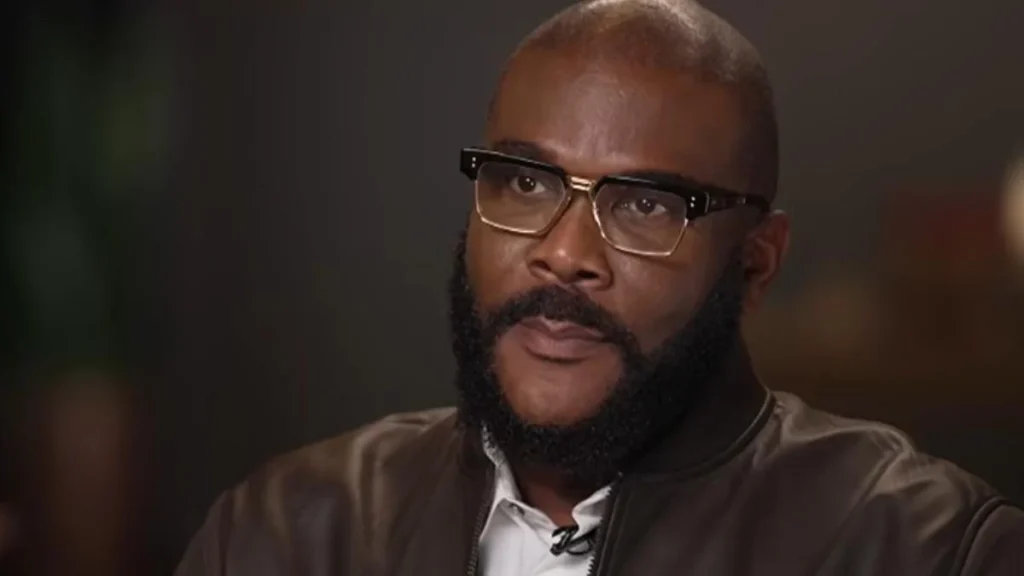

Entertainment mogul and filmmaker Tyler Perry is locked in a high-stakes legal battle as he moves to prevent the public disclosure of private text message exchanges central to an ongoing $77 million lawsuit. According to recent court filings obtained by legal reporters, Perry’s legal team is actively seeking a protective order to keep confidential communications out of the hands of his accuser, Mario Rodriguez. The filmmaker argues that releasing the records would not only expose sensitive financial data but also drag uninvolved third parties into a contentious legal arena without their consent.
The dispute over the text messages represents the latest flashpoint in a sprawling civil litigation that has captured significant media attention. As both sides prepare for further legal maneuvering, the core of the immediate debate centers on privacy rights, civil discovery bounds, and the extent toions between public figures and private individuals should remain shielded from judicial exposure.
Tyler Perry’s Legal Strategy and the Push for Confidentiality
In the latest court documents, representatives for Tyler Perry assert that the text message exchanges in question—shared between Perry and Mario Rodriguez during the course of their unfolding legal dispute—must be legally categorized as confidential. Perry’s legal counsel maintains that both parties operated under a mutual understanding that these discussions would remain private. Furthermore, the defense underscores that the records contain highly personal financial information that bears no relevance to the core legal claims of the lawsuit, making their public dissemination both unwarranted and invasive.
Beyond the financial disclosures, Perry’s argument heavily emphasizes the privacy of outside individuals whose names or conversations appear within the text threads. The filmmaker points out that these third parties have zero connection to the litigation, noting that exposure could lead to unwarranted public scrutiny, embarrassment, and undue harassment. By pursuing a robust protective order, Perry aims to restrict Rodriguez from using these communications outside the strict parameters of the courtroom discovery process. As of reporting, Rodriguez’s legal team has not yet filed a formal response to the motion to seal.
Origins of the Lawsuit: A 2015 Gym Encounter and Subsequent Allegations
The broader legal conflict stems from a massive $77 million civil complaint filed by Mario Rodriguez against the entertainment mogul. According to court records, the relationship between Perry and Rodriguez dates back nearly a decade. The two men reportedly first crossed paths at a local gym in 2015. At the time, the encounter appeared to be a routine meeting that ultimately opened doors for Rodriguez in the entertainment industry, leading to a minor acting role in Perry’s 2016 comedy film, Boo! A Madea Halloween.
However, the nature of their relationship deteriorated significantly years later, culminating in severe legal accusations. In his lawsuit, Rodriguez claims that he visited Perry’s private residence in 2018, where an alleged sexual assault took place. Rodriguez’s complaint alleges that Perry initiated unwanted sexual advances, specifically asking about his preferences before grabbing his genitals.
The plaintiff further claims that following the alleged 2018 incident, Perry apologized and provided him with $5,000 in financial compensation. Rodriguez’s legal filings allege a subsequent encounter where he claims Perry forced his hand onto his penis, which was reportedly followed by another $5,000 payment. These allegations form the primary basis of Rodriguez’s multi-million-dollar demand for damages.
Denials, Counter-Narratives, and the Financial Assistance Controversy
Tyler Perry and his corporate legal representatives have vigorously denied all allegations of wrongdoing, sexual assault, or misconduct leveled by Rodriguez. In response to the claims, Perry’s legal team has presented a sharply contrasting narrative regarding the nature of their ongoing communications and financial transactions.
According to the defense, Rodriguez maintained a steady stream of communication with Perry long after the dates of the alleged incidents, a pattern they argue is inconsistent with the behavior of someone who had recently suffered trauma at the hands of the filmmaker. Furthermore, Perry’s camp contends that the lawsuit is largely retaliatory. The defense alleges that Rodriguez turned against Perry and initiated legal action only after the filmmaker and his associates made the decision to cut off ongoing financial assistance and support.
This financial dynamic forms a critical pillar of Perry’s argument for sealing the text messages. Because the conversations reportedly touch upon financial requests, monetary aid, and private transactions, Perry maintains that making these logs public would violate reasonable expectations of privacy without providing any legitimate evidentiary value to the core adjudication of the assault claims.
Chronology of Key Legal and Personal Events
To understand the current procedural posture of the case, it is helpful to examine the timeline of events leading up to the motion for a protective order:
- 2015: Tyler Perry and Mario Rodriguez meet for the first time at a gymnasium.
- 2016: Rodriguez secures an acting role in Tyler Perry’s feature film, Boo! A Madea Halloween.
- 2018: The alleged incidents involving sexual misconduct and subsequent financial payments at Perry’s private residence reportedly take place.
- Subsequent Years: Rodriguez and Perry maintain intermittent communication, during which financial assistance is allegedly provided by the filmmaker.
- Mid-2026: Details of the lawsuit emerge publicly, revealing Rodriguez’s $77 million claim and the contentious nature of their past relationship.
- Late October 2026: Court documents reveal Tyler Perry’s formal motion requesting the court to protect private text messages from being accessed or made public by Rodriguez, citing third-party privacy and sensitive financial data.
Broader Legal Implications and the Boundaries of Civil Discovery
The ongoing conflict between Perry and Rodriguez highlights complex legal questions regarding the boundaries of civil discovery, particularly in high-profile lawsuits involving celebrities and public figures. In modern civil litigation, the discovery process requires parties to exchange relevant documents, communications, and evidence to ensure a fair trial. However, when plaintiffs and defendants possess vast amounts of digital communication—such as text messages, emails, and direct messages—the line between relevant evidence and private personal life often blurs.
Legal analysts note that courts routinely grant protective orders when discovery materials contain sensitive financial information, trade secrets, or personal data concerning individuals who are not parties to the lawsuit. Rule 26 of the Federal Rules of Civil Procedure, as well as equivalent state court rules, explicitly empowers judges to issue orders protecting parties from annoyance, embarrassment, oppression, or undue burden or expense.
By emphasizing the inclusion of uninvolved third parties in the text threads, Perry’s legal strategy aligns with established legal protections designed to prevent collateral damage to bystanders in sensationalized litigation. If the court grants the motion, Rodriguez and his legal counsel will be legally barred from publishing, leaking, or utilizing the specific text messages outside of approved judicial proceedings. Conversely, if the motion is denied, the sensitive conversations could potentially become part of the public court record, paving the way for further media scrutiny.
Outlook and Next Steps in the Litigation
As the legal teams await a formal ruling from the presiding judge regarding the protective order, the broader $77 million lawsuit continues to move through the judicial system. The dispute over the text messages underscores the immense logistical and privacy challenges that accompany high-dollar civil litigation involving high-profile personalities.
For Tyler Perry, the immediate priority remains containing the scope of the discovery phase to prevent unnecessary intrusion into his private financial affairs and the lives of unconnected individuals. For Mario Rodriguez, the focus will likely remain on pressing his claims and establishing the evidentiary basis for the substantial damages he seeks. With neither side showing signs of backing down, the upcoming hearings and judicial decisions on discovery boundaries will set a critical tone for the remainder of this high-profile legal battle.