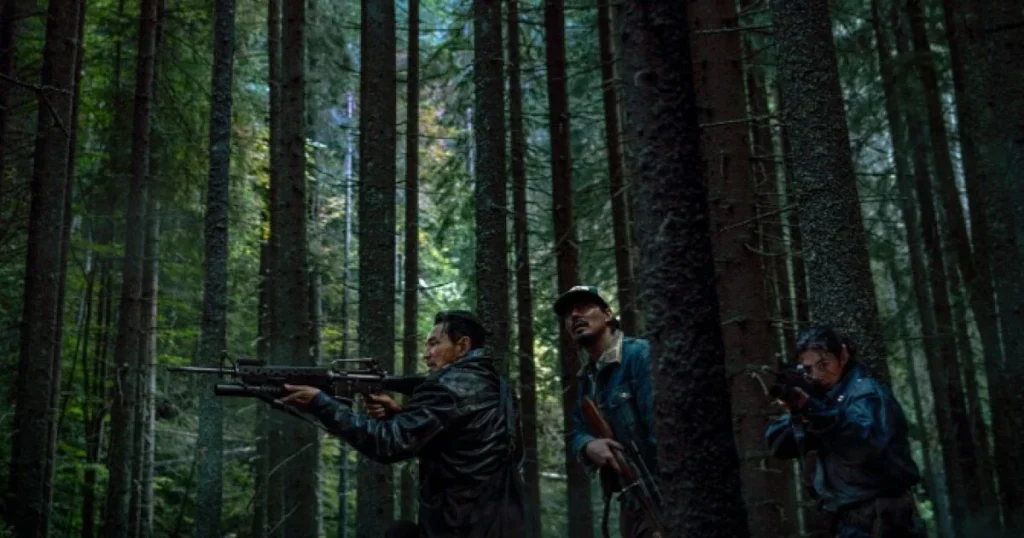

The South Korean film industry, long celebrated for its visceral storytelling and high production values, has found itself at the center of a heated cultural debate following the release of the action thriller Hope. Directed by the acclaimed visionary Na Hong Jin, the film has achieved remarkable commercial success within its opening week, yet its triumph at the box office is being shadowed by a growing controversy regarding its linguistic content. While the film’s technical prowess and gripping narrative have drawn praise, the frequency of profanity in its dialogue has triggered a polarized response among domestic audiences and industry critics alike.
According to data released by the Korean Film Council’s (KOFIC) integrated ticketing system on July 18, Hope has maintained a dominant position in the domestic market. On July 17 alone, the film attracted 594,811 viewers, a staggering figure that propelled its cumulative audience to 1,220,519 within just three days of its theatrical debut. This rapid ascent places Hope among the fastest-growing R-rated action thrillers in recent South Korean cinematic history, signaling a robust appetite for high-stakes genre filmmaking despite the ongoing discussions surrounding its screenplay.
Narrative Premise and Cinematic Context
Hope centers on the character of Beom Seok, portrayed by veteran actor Hwang Jung Min, who serves as the head of a local administrative office in Hopohang. The setting is uniquely high-tension: a remote village situated within the precarious confines of the Demilitarized Zone (DMZ), the heavily fortified border separating North and South Korea. The plot is set in motion when local youths report the appearance of a tiger—an animal long extinct on the Korean Peninsula and a potent symbol in national folklore—within the zone.
As Beom Seok investigates these claims, he is forced to confront a reality that defies conventional logic, blending elements of a traditional creature feature with the gritty, grounded realism typical of Na Hong Jin’s filmography. Na, known for masterpieces such as The Chaser, The Yellow Sea, and the supernatural horror The Wailing, has built a reputation for exploring the darker facets of human nature and the societal fringes. Hope continues this trajectory, utilizing the isolated and politically charged atmosphere of the DMZ to amplify a sense of dread and urgency.
The Linguistic Controversy: "Shibal" and Artistic Expression
The primary source of contention involves the pervasive use of the Korean curse word "shibal," a term roughly equivalent to the English "f*ck." As the film climbed the box office charts, online communities and film review platforms began to buzz with observations regarding the dialogue’s intensity. One meticulous viewer’s analysis went viral, claiming that the specific profanity is uttered 137 times throughout the film’s duration.
Critics of the dialogue argue that the frequency of the swearing is excessive, potentially distracting from the film’s narrative weight and atmospheric tension. Some netizens expressed that while they expected a certain level of grit from a Na Hong Jin production, the sheer repetition of the word felt gratuitous. Conversely, supporters of the film argue that the language is a realistic reflection of the characters’ extreme stress and the life-or-death situations they face within the DMZ.
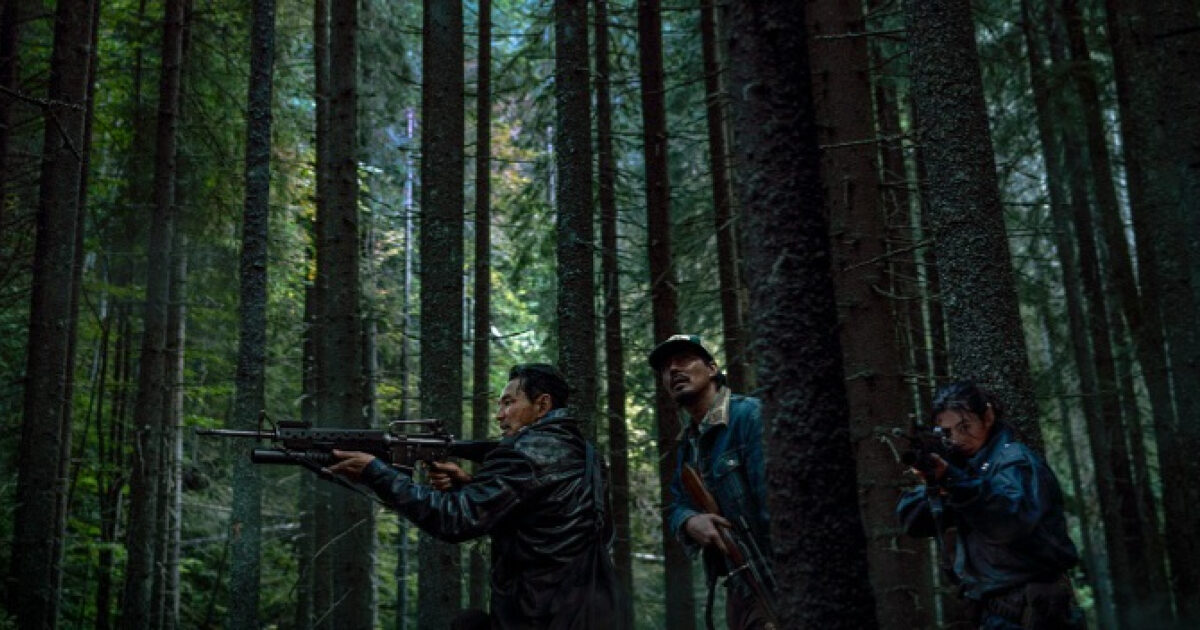
In the context of South Korean cinema, the use of profanity has historically been a point of sensitivity. While the country’s "New Wave" cinema in the late 1990s and early 2000s broke many taboos regarding violence and language, a balance is often maintained to ensure broad appeal. The backlash against Hope suggests a lingering tension between the push for "hyper-realism" in adult-oriented cinema and traditional standards of linguistic decorum.
Director Na Hong Jin’s Defense and Post-Production Insights
The controversy reached a peak during a high-profile Q&A session where Director Na Hong Jin was joined by Academy Award-winning director Bong Joon Ho. Addressing the audience’s concerns directly, Na provided insight into the creative process behind the film’s script and the actors’ performances.
Na revealed that the final version of the film actually represents a significantly toned-down iteration of the original cut. "Half of the curse words were ad-libs by the actors, born from the intensity of the scenes, and the other half were scripted," Na explained. He further disclosed that during the post-production phase, approximately 200 instances of the word were removed through careful editing. Despite these cuts, over a hundred instances remain, which Na defends as essential to the film’s emotional texture.
The director proposed a provocative perspective on the evolution of language, suggesting that the traditional understanding of profanity may no longer capture how these words function in modern communication. "I believe the dictionary meaning of this word needs to change at this point," Na stated. He argued that the swearing in Hope does not merely serve as vulgarity but functions as a "kind of exclamation" that allows actors to express varying depths of emotion and provide rhythmic accents to the dialogue.
Statistical Performance and Market Impact
The controversy does not appear to have dampened the film’s commercial prospects. If anything, the discourse surrounding its "raw" dialogue may have piqued public curiosity. The following timeline illustrates the film’s rapid box office trajectory:
- Day 1 (Opening): Premiered to strong critical reviews focusing on Hwang Jung Min’s performance and the film’s cinematography, immediately securing the top spot at the box office.
- Day 2: Cumulative viewership crossed the 600,000 mark as word-of-mouth spread regarding the film’s unique setting and intense pacing.
- Day 3 (July 17): Recorded 594,811 viewers in a single day, a rare feat for a non-holiday weekday, bringing the total to over 1.22 million.
This performance is particularly significant given the current state of the global film industry, where theatrical releases face stiff competition from streaming platforms. Hope’s ability to draw massive crowds to cinemas suggests that the "Na Hong Jin brand"—characterized by uncompromising, visceral experiences—remains a powerful draw for the South Korean public.
Industry Reactions and Societal Implications
Industry insiders have noted that the controversy over Hope highlights a broader shift in how South Korean audiences consume media. There is an increasing demand for "unfiltered" storytelling, yet this demand often clashes with the sensibilities of a society that still values certain levels of public formality.

Sociologists and media critics have pointed out that the word "shibal" has undergone a linguistic shift among younger generations in Korea, often being used as a general intensifier rather than a targeted insult. This aligns with Na Hong Jin’s argument that the word serves as an emotional accent. However, for older demographics or more conservative viewers, the sheer volume of such language in a major motion picture can still feel like an assault on the quality of the work.
Furthermore, the involvement of Hwang Jung Min, an actor known for his versatility and "everyman" appeal, adds another layer to the discussion. Hwang’s portrayal of Beom Seok is described as a man pushed to his absolute limits. Analysts suggest that if the character were to use overly polished or "clean" language in the face of a terrifying mystery in the DMZ, it might have undermined the film’s immersion.
Analysis of Future Prospects
As Hope continues its theatrical run, the "dialogue controversy" is expected to remain a talking point, but it is unlikely to derail the film’s success. Historically, South Korean films that spark such debates—ranging from the violence in Oldboy to the social commentary in Parasite—often go on to become cultural touchstones.
The film’s performance will be closely watched by other directors and screenwriters. If Hope continues to break records despite (or because of) its controversial dialogue, it may embolden other filmmakers to lean further into linguistic realism, potentially shifting the standards of what is considered acceptable in mainstream Korean cinema.
For now, Hope stands as a testament to the enduring power of the action thriller genre in South Korea. By combining a high-concept premise with the raw, unvarnished performances of its cast, Na Hong Jin has once again forced the audience to look closely at the screen—and to listen even more closely to the voices on it. Whether viewed as a necessary component of artistic realism or an unnecessary excess, the dialogues of Hope have ensured that the film will be remembered long after it leaves the box office.