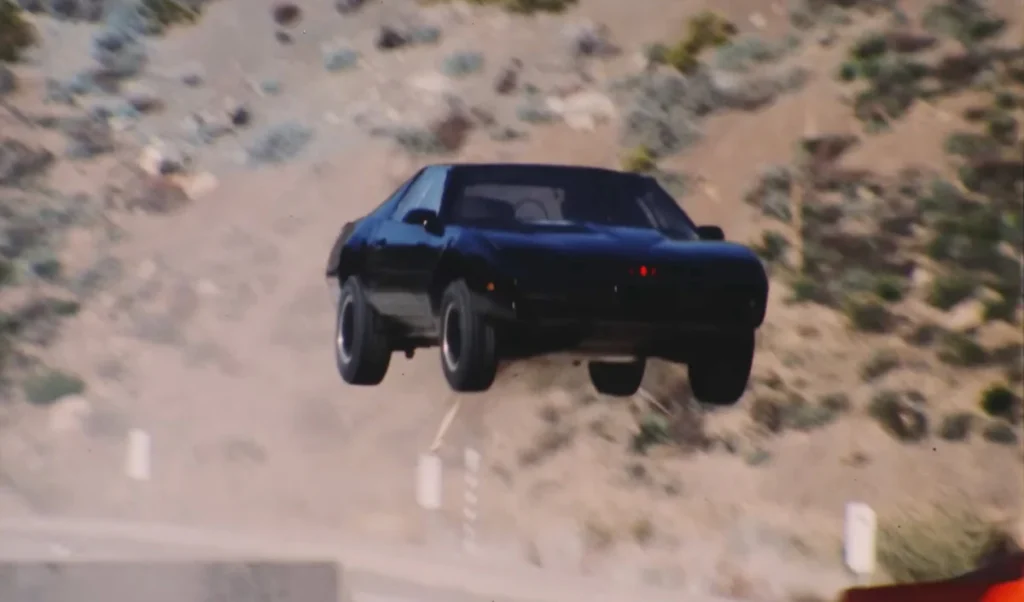

The enduring legacy of the 1980s science fiction television series Knight Rider is set to be explored in unprecedented depth with the upcoming documentary event, Knight Rider: Declassified. This ambitious five-part, five-hour series promises to take fans on a comprehensive journey back to the era of K.I.T.T., the artificially intelligent supercar that captured the imaginations of a generation. The documentary will feature new, never-before-seen interviews with the cast, creators, and crew who were instrumental in bringing this iconic show to life, delving into everything from the genesis of K.I.T.T. to the untold realities behind the scenes and the lasting impact the series has had on popular culture.
The announcement, originating from a YouTube trailer released on May 3, 2026, signals a significant undertaking to provide the definitive look back at one of television’s most beloved sci-fi vehicles and the lone crime-fighter who piloted it. Knight Rider, which originally aired for four seasons from 1982 to 1986, starred David Hasselhoff as Michael Knight, a crusading crime-fighter partnered with K.I.T.T. (Knight Industries Two Thousand), a highly advanced, sentient Pontiac Firebird Trans Am. The series was celebrated for its blend of action, futuristic technology, and its memorable theme song, becoming a cultural touchstone of the 1980s.
The Genesis of a Television Phenomenon
Knight Rider emerged during a period of burgeoning interest in science fiction and technological advancements in television programming. The early 1980s saw a surge in shows that incorporated futuristic concepts, and Knight Rider carved out a unique niche with its focus on a single, sentient vehicle as the protagonist’s partner. The concept of an AI-driven car capable of independent thought, advanced weaponry, and near-indestructibility was a compelling premise that resonated with audiences worldwide.

The series was the brainchild of Glen A. Larson, a prolific producer and writer known for other notable shows like Battlestar Galactica and Magnum P.I. Larson’s vision for Knight Rider was to create a modern-day knight errant, a solitary hero fighting for justice in a world where the law often failed to reach the powerful and corrupt. The choice of the Pontiac Firebird Trans Am as K.I.T.T.’s physical form was a deliberate one, leveraging the car’s already sporty and aggressive aesthetic to embody the vehicle’s advanced capabilities.
Behind the Scenes: The Making of K.I.T.T. and the Show
Knight Rider: Declassified aims to pull back the curtain on the intricate process of creating the show and its star vehicle. The documentary will explore the technical innovations and practical challenges involved in bringing K.I.T.T. to the screen. This includes insights into the special effects, the custom-built vehicles used for filming, and the programming and voice acting that gave K.I.T.T. its distinct personality. The mention of segments being shot in 8K suggests a commitment to high-fidelity presentation, aiming to enhance the viewing experience and showcase the intricate details of the production.
The producers of Knight Rider: Declassified, Richard Grant Bennett and Rocco DeVilliers, have been working on this project for three years. A significant undertaking within the documentary’s production involved a meticulous recreation of the iconic opening sequence of Knight Rider. This segment was shot in 8K using Sony Venice II cameras and mastered for IMAX, demonstrating a dedication to honoring the original while presenting it with state-of-the-art technology. This effort to recreate a beloved piece of television history speaks to the passion and reverence the filmmakers have for the source material.
A Comprehensive Look at the Cast and Crew
The documentary event promises new interviews with the key figures who shaped Knight Rider. This includes lead actor David Hasselhoff, who embodied the heroic Michael Knight. Hasselhoff’s portrayal of the determined and compassionate lone crime-fighter was central to the show’s appeal. The series also featured a talented supporting cast, including Edward Mulhare as Devon Miles, Michael Knight’s superior at the Foundation for Law and Government (FLAG), and Rebecca Holden, Patricia McPherson, and Peter Parros in various roles throughout the series. The inclusion of interviews with these actors, alongside the show’s creators and crew, will offer a multifaceted perspective on the production, from the on-set dynamics to the creative decision-making processes.

The narrative of Knight Rider itself was built around the partnership between man and machine. Michael Knight, initially a detective named Michael Long who was severely injured and given a new face and identity, operated under the guidance of Wilton Knight (played by Richard Basehart in the pilot and later by Edward Mulhare as Devon Miles). Wilton Knight’s philosophy, famously articulated in the opening narration, was to "champion the cause of the innocent, the helpless, the powerless, in a world of criminals who operate above the law." This ethos, combined with K.I.T.T.’s advanced capabilities, formed the core of the show’s appeal.
Unveiling Untold Realities and the Enduring Legacy
Beyond the on-screen action, Knight Rider: Declassified aims to explore the "untold realities behind the scenes." This suggests an exploration of the challenges faced during production, the creative compromises made, and the personal experiences of those involved. Documentaries of this nature often delve into the evolution of the series, including shifts in creative direction, the impact of network demands, and the personal journeys of the cast and crew. The phrase "wrecking cars left & right," quoted from the trailer, hints at the high-octane nature of the show’s production and the physical demands placed on the vehicles and the crew responsible for their operation.
The legacy of Knight Rider is undeniable. The series not only became a popular fixture of 1980s television but also influenced subsequent depictions of artificial intelligence and advanced automotive technology in film and television. K.I.T.T. transcended the screen to become a pop culture icon, a symbol of futuristic innovation and the power of partnership between humans and intelligent machines. The documentary’s promise to examine this legacy suggests an analysis of how the show’s themes and characters have continued to resonate with audiences and inspire creators over the decades.
A Limited Edition Release and the Future of Knight Rider Content
Knight Rider: Declassified is being presented as a limited edition Blu-ray release, exclusively available through WheelHouseTV’s official website. The producers have emphasized that this edition will not be reissued, creating a sense of urgency for fans eager to own a comprehensive piece of Knight Rider history. This exclusive distribution model, often employed for niche or collector-focused content, likely stems from licensing complexities or a desire to create a unique collector’s item.

The documentary’s production timeline, with final interviews scheduled and production continuing into the summer of 2026, indicates an ongoing commitment to expanding the Knight Rider narrative. This suggests that Knight Rider: Declassified may be part of a larger initiative to revisit and celebrate the franchise.
The mention of another recent documentary, Behind the Wheel, made for the series’ re-release, highlights the continued interest in the Knight Rider universe. However, Knight Rider: Declassified is positioned as the more definitive and all-encompassing version, aiming to be the ultimate retrospective for fans.
Broader Implications and Cultural Impact
The enduring popularity of Knight Rider and the production of such an extensive documentary underscore the significant cultural impact of 1980s television. The series tapped into a collective fascination with technology, heroism, and the potential of the future. K.I.T.T. was more than just a car; it was a character, a partner, and a symbol of hope for a better, more advanced world.
The documentary’s detailed exploration of the show’s creation and legacy provides valuable insight into the television production landscape of the 1980s and the evolution of special effects and storytelling in the sci-fi genre. By revisiting Knight Rider through Knight Rider: Declassified, fans and scholars alike can gain a deeper appreciation for the series’ contribution to popular culture and its lasting influence on how we envision the future of technology and human-machine interaction. The commitment to high-fidelity production, including 8K filming, also reflects a contemporary trend in retrospective documentaries to offer viewers a visually enhanced and immersive experience, bridging the gap between past and present.