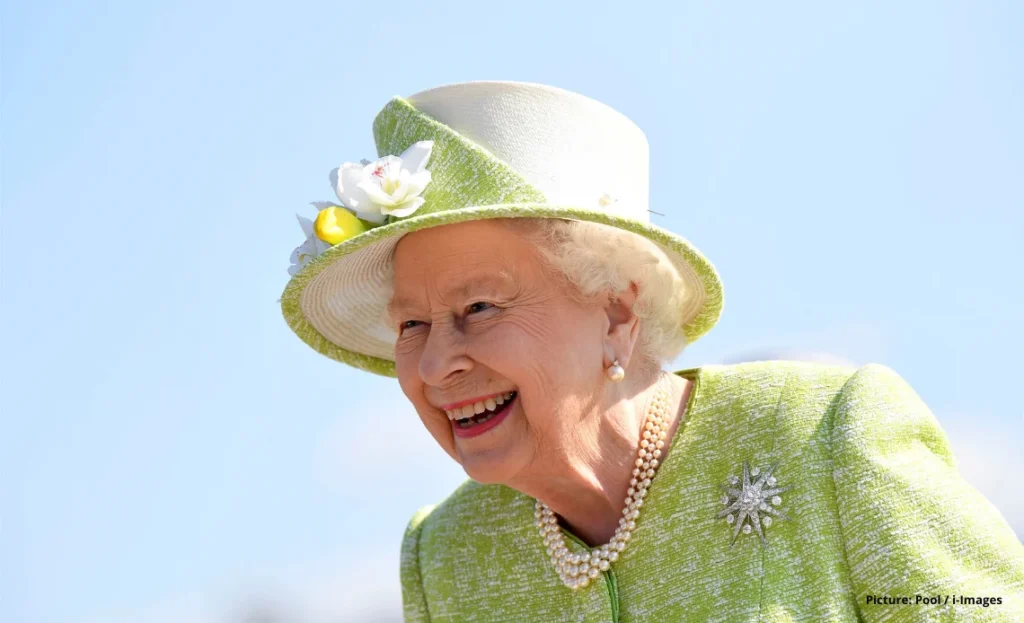

King Charles III has offered a deeply personal and poignant insight into the final chapter of his mother, Queen Elizabeth II’s life, highlighting Balmoral as a sanctuary that held a uniquely special place in her heart and explaining her profound connection to the Scottish estate where she ultimately chose to spend her last days. These intimate reflections are featured in the foreword of a newly published guidebook dedicated to the Royal Family’s cherished Scottish retreat, the very place where the late Queen passed away peacefully on September 8, 2022, at the age of 96, marking the end of a historic 70-year reign.
In his contribution to the publication, the King elaborates on Balmoral’s status, not merely as a royal residence, but as a beloved family home that has served as a source of refuge, inspiration, and continuity for generations of his family. He describes how the estate’s distinctive architecture and its breathtaking Highland setting have long captivated members of the Royal Family, painting a vivid picture of its surroundings as a "precious, almost sacred" landscape. This sentiment underscores a lifelong connection, with King Charles recalling Balmoral’s significant place in his own affections since his earliest childhood, a sentiment echoed by his mother.
His Majesty pays a particularly heartfelt tribute to Queen Elizabeth II’s profound bond with Balmoral, noting her deep affection for the estate, which she reportedly treasured more than any other location. He eloquently conveys that Balmoral was the chosen setting for her final moments, surrounded by the very scenery she adored most, a testament to the estate’s profound emotional resonance for the late monarch. For many outside the Royal Family, Balmoral became inextricably linked with the conclusion of Queen Elizabeth II’s unparalleled reign. However, for the Royal Family, this Aberdeenshire estate has always represented something far more intimate – a private haven, a retreat from the demands of official duties and public engagements, where they could enjoy a more personal life amidst the majestic beauty of the Highlands.
A Royal Legacy Forged in the Highlands
The deep-rooted royal association with Balmoral stretches back to 1852, a significant date in the estate’s history. It was in this year that Queen Victoria and her consort, Prince Albert, purchased Balmoral Castle, having been utterly enchanted by the rugged beauty and romantic allure of Scotland. Their vision and dedication transformed the property from a relatively modest estate into one of the monarchy’s most treasured residences, a legacy of affection and care that successive generations have diligently continued to uphold and shape. The estate, nestled within the Cairngorms National Park, covers approximately 50,000 acres and has been a private property of the Royal Family since the reign of Queen Victoria, a stark contrast to many other royal residences which are Crown property.
The newly released guidebook also illuminates King Charles III’s active role in continuing to imbue Balmoral with his own personal touch. Since ascending to the throne, he has overseen a series of thoughtful changes, all while maintaining a steadfast commitment to preserving the estate’s inherent historic character and its intrinsic charm. These developments reflect a nuanced approach, balancing the need for evolution with a deep respect for tradition.
Enhancements and Unprecedented Access
One of the most significant recent developments at Balmoral, aimed at making the estate more accessible to the public and sharing its rich history, occurred in 2024. This marked the first time in over 170 years that visitors were granted access to certain areas of the castle that had previously been kept private. This groundbreaking decision offers an unprecedented glimpse into one of the Royal Family’s most cherished and private homes, allowing the public to experience the atmosphere and grandeur that has long been a hallmark of Balmoral. This initiative aligns with a broader trend of increased public engagement with royal properties, aiming to foster greater understanding and appreciation of their historical and cultural significance.
Beyond the castle walls, the estate has seen other notable alterations. An intricate maze, inspired by classic geometric designs, has been meticulously crafted, adding a playful yet elegant feature to the grounds. Furthermore, significant restoration work has been undertaken on the historic wrought-iron gates in Queen Mary’s Garden. These beautifully restored gates now bear the intertwined cyphers of King Charles III and Queen Camilla, a poignant commemoration of their coronation and a nod to the centenary of the original structures they replace. These subtle yet meaningful additions signify a continuation of the estate’s evolution, reflecting the current monarchs while honouring its past.
Within the castle itself, the introduction of additional works of art, antique furniture, and decorative objects drawn from the vast Royal Collection further enriches the interiors. These carefully selected pieces are complemented by new furnishings, thoughtfully chosen to harmonize with and enhance the building’s existing historic character, creating a seamless blend of the old and the new. This thoughtful curation ensures that the castle remains a living testament to centuries of royal history and taste.
A Personal Connection Through Art
The publication itself opens with a personal touch from the King, featuring one of his own watercolour paintings of Balmoral, a piece he completed in 1989. This artistic offering serves as a powerful visual testament to his enduring and deeply personal connection to the estate, a connection that spans decades and is expressed through both his official duties and his private passion for art. This personal inclusion humanizes the monarch and underscores his genuine affection for Balmoral.
Author and historian Mary Miers, in her analysis within the guidebook, posits that the changes being implemented at Balmoral reflect a continuation of the approach first established by Queen Victoria and Prince Albert. While Balmoral will forever be intrinsically linked with the Victorian royal couple’s profound love for the Scottish Highlands, Miers suggests that King Charles has successfully authored a new chapter in the estate’s storied history, one that respectfully builds upon its foundational origins. This perspective highlights the delicate balance of preservation and innovation that characterizes the current stewardship of Balmoral.
The Enduring Allure of Balmoral
In concluding his foreword, King Charles III articulates his fervent hope that visitors to Balmoral will experience a measure of the same inspiration that has enriched generations of his family. He praises the "wild and majestic" landscape that continues to define this iconic estate, a landscape that remains central to the identity of one of the monarchy’s most beloved and enduring homes. The estate’s ability to inspire, to offer solace, and to serve as a repository of family history underscores its unique place not only in the annals of the British monarchy but also in the hearts of those who have called it home.
The choice of Balmoral as the late Queen’s final resting place was not arbitrary. It was a deliberate decision rooted in decades of personal history and deep affection. The estate offers a profound sense of peace and privacy, characteristics that were undoubtedly cherished by Queen Elizabeth II, particularly in her later years. The familiar landscapes, the sense of continuity, and the intimate family environment provided a comforting and fitting setting for her final moments. The estate’s unique position, away from the pressures of the capital and the public gaze, allowed for a more natural and personal farewell.
The historical context of Balmoral’s acquisition by Queen Victoria in 1848 (purchased in 1852) and its subsequent expansion and development by Prince Albert is crucial to understanding its significance. They envisioned Balmoral not just as a royal property but as a place for their growing family to experience country life, to connect with nature, and to foster a sense of familial unity. This vision has been meticulously preserved and passed down, with each subsequent monarch adding their own layer to the estate’s rich tapestry. For instance, Queen Elizabeth II famously took a keen interest in the estate’s farming and forestry, engaging with the practicalities of managing such a vast and beautiful property.
The guidebook’s emphasis on King Charles’s personal touch, including his watercolour, also serves to highlight the continuity of artistic appreciation within the Royal Family. Prince Albert was a keen patron of the arts, and this legacy of artistic engagement continues with his great-grandson. The inclusion of his artwork in the publication is a subtle yet powerful way of demonstrating his deep, multifaceted connection to Balmoral.
The implications of opening up previously private areas of the castle are significant for the public’s understanding of royal life. It moves beyond the curated image often presented and offers a more tangible connection to the personal spaces where royal history has unfolded. This increased transparency can foster a greater sense of connection and understanding between the monarchy and the public.
In conclusion, King Charles III’s foreword to the Balmoral guidebook provides an invaluable window into the profound emotional and historical significance of the Scottish estate. It underscores Balmoral’s role as a cherished family home, a place of solace and inspiration, and a powerful symbol of continuity for the British monarchy, particularly in the context of Queen Elizabeth II’s final days and the ongoing stewardship of King Charles III. The estate, with its blend of natural beauty and rich history, continues to hold a unique and irreplaceable place in the heart of the Royal Family.