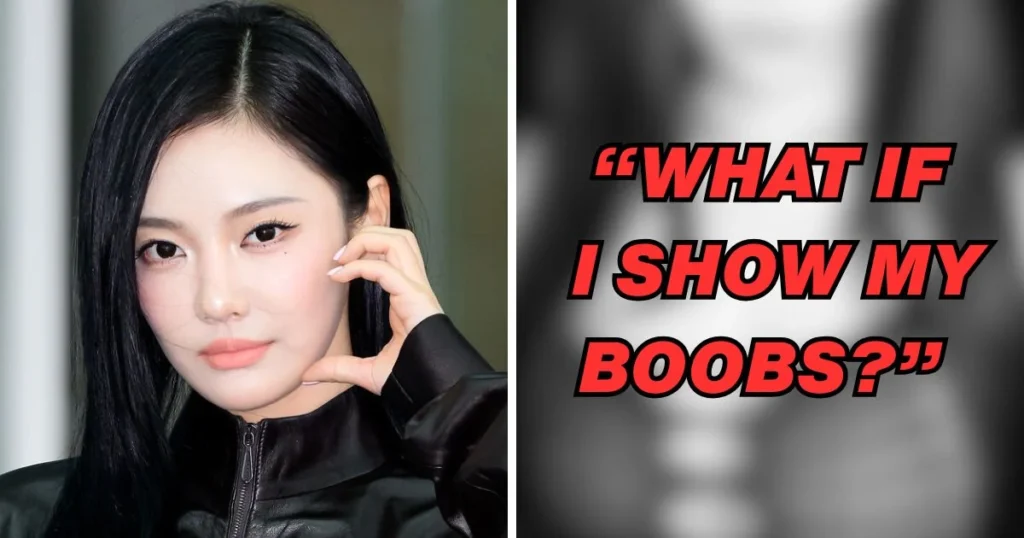

The global music industry and the K-pop community have seen a significant shift in the dynamics between idols and their audiences, a trend highlighted recently by an incident involving Ningning, a prominent member of the girl group aespa. Following the release of the group’s latest single, "WDA (Whole Different Animal)," Ningning engaged with her global fanbase through an Instagram Live session intended to celebrate the new music and foster a sense of community. However, the celebratory atmosphere was abruptly interrupted by a series of intrusive and inappropriate comments, one of which prompted a direct and defiant response from the artist, sparking a broader conversation regarding body autonomy and the treatment of female performers in the digital age.
The incident occurred on May 11, 2026, during a live broadcast that was initially characterized by a lighthearted exchange regarding the group’s creative direction and the choreography of their new track. As is common with high-profile K-pop idols, the comment section was flooded with thousands of messages per minute, ranging from supportive praise to specific questions about the production of "WDA." Amidst this influx, a viewer submitted a question that challenged the artist’s recent fashion choices and public image, asking, "Why [do] you show boobs so much recently?"
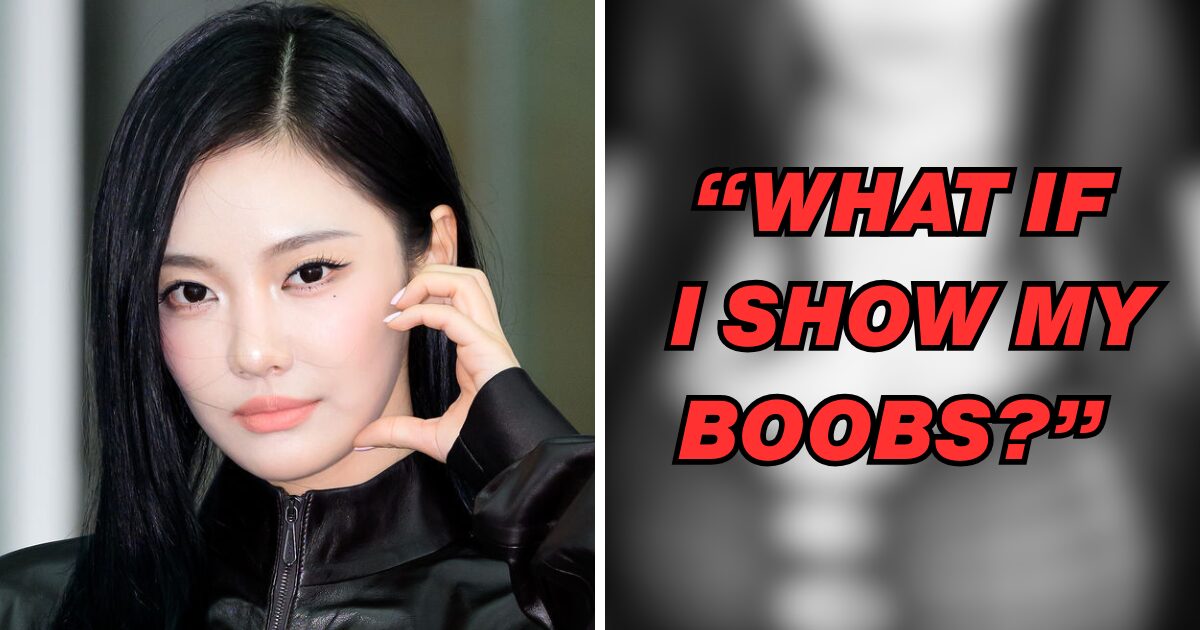
Initially, Ningning appeared to hesitate, her expression shifting as she processed the nature of the inquiry. Rather than ignoring the comment or moving on to a more benign topic—tactics often employed by idols to avoid controversy—Ningning chose to address the commenter directly. Her response was characterized by a bluntness that resonated with many of her followers. "I didn’t… what the hell. I didn’t. What about it?" she stated, her tone shifting from surprise to firm assertion. She continued by addressing the underlying issue of body shaming: "Don’t body shame. What if I do? What if I show my boobs? What about it? Everyone can show their body."
The Context of "WDA (Whole Different Animal)" and aespa’s Evolution
The timing of this interaction is particularly relevant as it coincides with the promotional cycle for "WDA (Whole Different Animal)." Since their debut under SM Entertainment in 2020, aespa—consisting of members Karina, Giselle, Winter, and Ningning—has been defined by a futuristic, "metaverse" concept that often explores themes of identity, technology, and empowerment. Their discography, featuring hits like "Next Level" and "Savage," has consistently pushed the boundaries of traditional K-pop aesthetics.
"WDA" represents a continued evolution for the group, both sonically and visually. The single’s title suggests a departure from previous norms, emphasizing a fiercer, more independent persona. This artistic growth has been mirrored in the members’ personal styling, which has become more experimental and mature as they have transitioned from rookies to established global stars. Ningning, known for her powerful vocals and versatile fashion sense, has often been at the forefront of this stylistic transition. Observers note that as idols mature, they often seek greater creative control over their image, which can sometimes lead to friction with segments of a fanbase that may hold more conservative expectations of idol behavior.
A Chronology of the Live Session and Subsequent Backlash
The Instagram Live session began at approximately 8:00 PM KST, shortly after the digital release of "WDA." For the first twenty minutes, Ningning discussed the challenges of filming the music video and expressed gratitude for the fans’ support. The mood changed approximately twenty-five minutes into the stream when the derogatory comment appeared.
Following Ningning’s verbal pushback, the live stream continued for another ten minutes before concluding. Almost immediately, clips of the interaction began circulating on social media platforms such as X (formerly Twitter) and TikTok. Within hours, hashtags supporting Ningning and condemning body shaming began to trend globally.
Fans, collectively known as "MY," were quick to analyze the encounter. Many pointed out that this was not an isolated incident but part of a growing trend where live broadcast platforms, while providing intimacy, also expose artists to direct harassment. The consensus among the digital community was one of relief and admiration for Ningning’s refusal to be intimidated. One fan noted, "I’m genuinely so glad they’ve started hitting back at stuff. I’m sick of people getting away with saying out of pocket things."
The Sociological Shift in K-pop Idol Dynamics
Ningning’s response is indicative of a broader transformation within the K-pop industry, particularly among "fourth-generation" and "fifth-generation" groups. Historically, K-pop idols were expected to maintain a "pure" and compliant image, often dictated by strict agency guidelines. Any deviation from this persona, especially regarding sensitive topics like body image or personal autonomy, was frequently met with internal disciplinary measures or public apologies.
However, the current landscape is different. Modern idols are increasingly vocal about mental health, privacy, and personal boundaries. This shift is partly driven by the global expansion of K-pop; as groups gain significant following in Western markets, they are influenced by—and influence—global movements regarding feminism and self-expression.
Industry analysts suggest that Ningning’s decision to label the comment as "body shaming" is a sophisticated move. By using specific terminology, she reframed a personal attack into a social critique, thereby positioning herself not just as a victim of a rude comment, but as an advocate for bodily autonomy. This mirrors actions taken by other prominent figures in the industry, such as LE SSERAFIM’s Huh Yunjin or soloists like Jessi, who have similarly challenged the traditional constraints placed on female performers.

Official Responses and Artist Protection Protocols
While SM Entertainment has not released a formal statement specifically addressing the Instagram Live incident, the agency has historically been active in legal proceedings against malicious commenters. In recent years, the company has implemented more robust "Artist Protection" protocols, which include monitoring social media for defamatory content and taking legal action to protect the mental health and reputation of their artists.
The incident highlights the limitations of these protocols in real-time environments. While legal action can be taken after the fact, the immediate emotional labor of dealing with harassment during a live broadcast falls entirely on the artist. This has led to calls from the fan community for platforms like Instagram and Bubble to implement more rigorous filtering systems for live comments, potentially using AI to shadow-ban inappropriate language before it reaches the artist’s screen.
Broader Implications for the Industry
The fallout from Ningning’s live stream serves as a case study for the future of idol-fan interactions. As the "parasocial relationship"—a one-sided relationship where the fan feels a deep personal connection to the celebrity—becomes more digitized and direct, the potential for boundary-crossing increases.
There are several key implications to consider:
- The End of the "Silent Idol": Ningning’s defiance suggests that the era of idols quietly enduring harassment to maintain a "perfect" image is ending. This could lead to a more authentic, albeit sometimes more confrontational, relationship between artists and their audiences.
- Fashion as a Statement of Autonomy: The scrutiny of Ningning’s clothing highlights the ongoing battle over the female body in the public eye. By asserting that "everyone can show their body," Ningning is challenging the double standards that often penalize female idols for the same levels of skin exposure that are normalized for male performers or Western pop stars.
- The Responsibility of Platforms: The incident places renewed pressure on social media companies to curate safer environments for public figures. If live interactions become too toxic, agencies may move away from open platforms in favor of highly moderated, paywalled environments, which could fundamentally change the accessibility of K-pop stars.
Conclusion
The reaction to Ningning’s Instagram Live session underscores a pivotal moment for aespa and the wider K-pop industry. By standing her ground against an inappropriate and reductive question, Ningning has transitioned from being a subject of the public gaze to an active participant in defining her own narrative.
As "WDA (Whole Different Animal)" continues to climb global music charts, the conversation surrounding the track is now inextricably linked to the empowerment demonstrated by its performers. The overwhelming support from the global community suggests that audiences are ready for—and perhaps even demanding—a version of K-pop where artists are respected as individuals with the right to self-expression and the agency to defend their own dignity. Whether this leads to systemic changes in how agencies and platforms manage fan interactions remains to be seen, but for now, Ningning’s "clap back" stands as a significant marker of progress in the ongoing evolution of celebrity culture.