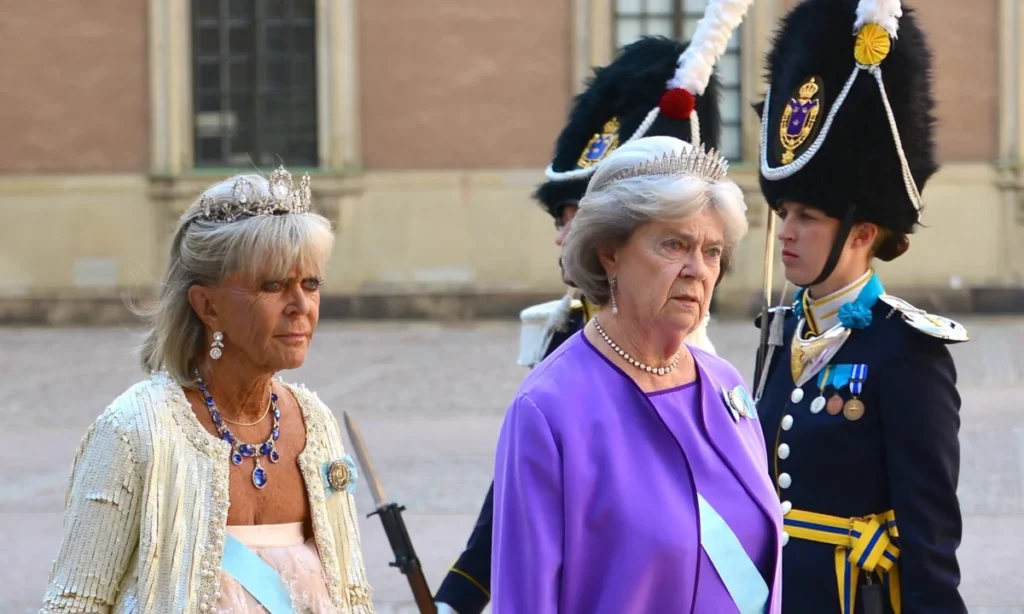

The European royal landscape is bracing for a high-stakes auction this November, as a collection of priceless historic jewels with deep personal ties to the Swedish monarchy heads to the auction block in Geneva. Among the star lots slated for sale by Sotheby’s is a stunning sapphire and diamond demi-parure that once belonged to Princess Sybilla of Sweden, the mother of the reigning monarch, King Carl XVI Gustaf. Reports emerging from Swedish royal circles suggest that the King may consider intervening in the upcoming sale to bring the irreplaceable family heirlooms back into the royal fold.
The impending auction has ignited discussions regarding royal heritage, family governance, and the preservation of dynastic treasures. As the November 11 sale date approaches, historians, collectors, and royal watchers alike are closely monitoring developments to see whether the Swedish head of state will step in to prevent these treasured artifacts from passing into private, non-royal hands.
The Historic Lot: Provenance and Imperial Lineage
The jewelry in question—comprising a sophisticated necklace and a matching pair of earrings—carries a rich and storied provenance that extends far beyond the modern Swedish court. According to Sotheby’s catalog for its upcoming "Royal and Noble Jewels" sale, the demi-parure was previously owned by the late Princess Birgitta of Sweden, an older sister to King Carl XVI Gustaf, who passed away last year.
The lineage of the sapphires reads like a chronicle of European royalty. Princess Birgitta had inherited the pieces from her mother, Princess Sybilla. The jewelry entered the Swedish royal collection in 1932 when it was presented to Princess Sybilla as a wedding gift upon her marriage to Prince Gustaf Adolf. The donor was none other than Ferdinand, the former Tsar of Bulgaria. Historical records further indicate that the gems boast an even more illustrious earlier chapter: they are believed to have originally belonged to Maria Feodorovna, the Tsarina of Russia, who was born Princess Dagmar of Denmark.
Given their association with high-ranking European dynasties and the Imperial Russian court, the necklace and earrings are expected to command a substantial six-figure sum when they go under the hammer. Alongside the sapphire demi-parure, the auction catalog also features other remarkable pieces tied to Princess Sybilla, notably an unusual jewel centered around a rare pink padparadscha sapphire.

The Succession of Ownership and Royal Reactions
The decision to place such deeply personal royal items on the open market has reportedly caused consternation within the Swedish royal household. According to commentaries from Swedish media outlets, King Carl XVI Gustaf may not have been fully aware that his late sister’s personal collection would be routed through an international auction house rather than retained within the family or distributed quietly among relatives.
Johan T. Lindwall, the editor-in-chief of Svensk Damtidning, offered candid insight into the monarch’s likely perspective regarding the sale. Speaking on the conservative values held by the Swedish sovereign, Lindwall remarked that the public liquidation of his mother’s personal jewelry runs contrary to everything the King stands for, emphasizing the monarch’s deep commitment to preserving the dignity and heritage of the House of Bernadotte.
Consequently, royal experts have suggested that it is well within the realm of possibility for King Carl XVI Gustaf to authorize a bid to acquire the sapphires during the Geneva auction. By stepping in as a buyer, the King could effectively repatriate jewels that bear immense sentimental and historical value to the family, shielding them from dispersion among private international collectors.
The Swedish Royal Collection and Existing Sapphire Holdings
The Swedish royal family is widely recognized as the custodian of one of the most extensive, historic, and meticulously preserved jewelry collections in Europe. Many of the pieces worn by modern members of the family trace their origins back centuries, carrying direct links to iconic historical figures, most notably Empress Joséphine of France.
Within the current active collection, the Swedish court already possesses a magnificent, monumental set of sapphires known as the Leuchtenberg sapphire parure. This historic suite—characterized by its intricate floral motifs and deep blue stones—occupies a place of unique prominence within the royal vault. By unwritten custom and tradition, the Leuchtenberg sapphires are reserved exclusively for the use of Queen Silvia, who frequently wears them on state occasions, Nobel Prize ceremonies, and royal weddings.
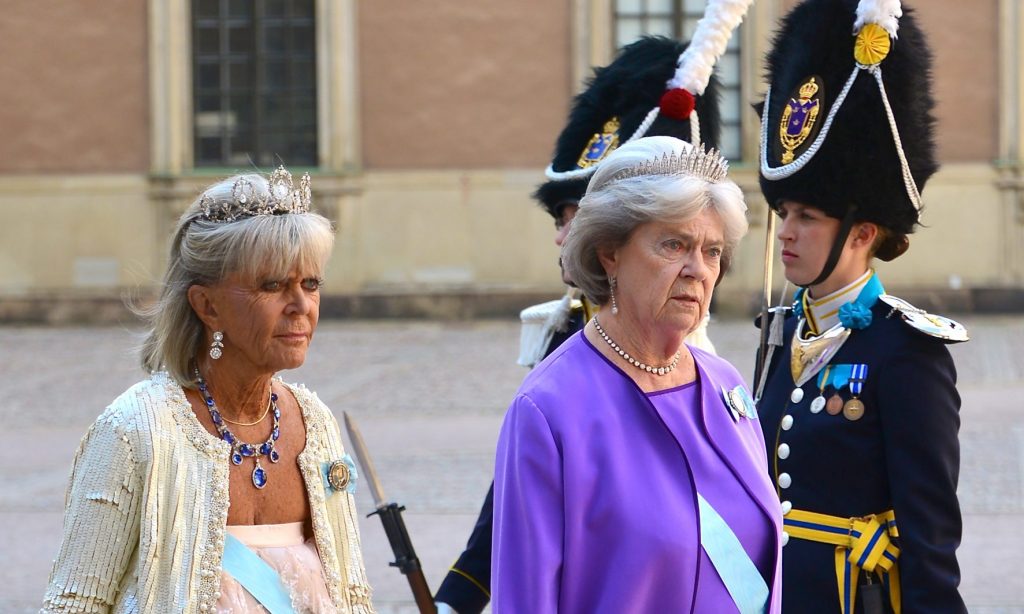
Princess Birgitta, however, favored a different aesthetic during her lifetime. Known for her independent spirit and bold fashion choices, she frequently wore the sapphire demi-parure now heading to auction, often pairing the historic blue stones with all-diamond tiaras for major European royal celebrations. Her personal preference for displaying the heirloom made the necklace and earrings easily recognizable to royal jewelry aficionados.
Broader Auction Highlights: A Gathering of Regal Treasures
The Sotheby’s "Royal and Noble Jewels" auction in Geneva features several other lots of extraordinary historical significance that are likely to attract fierce competitive bidding from international institutions and private collectors alike.
In addition to the Swedish royal items, the sale includes two rare pieces of emerald and diamond jewelry that once belonged to Maria Amélia, the last Queen of Portugal. Also featured in the catalog is a sophisticated diamond and emerald bracelet with direct provenance tracing back to the collection of Queen Alexandrine of Denmark. The convergence of such high-profile dynastic artifacts in a single auction event makes the upcoming Geneva sale one of the most significant numismatic and jewelry-related events of the autumn season.
Implications of Institutional and Familial Interventions
The potential acquisition of the sapphire demi-parure by King Carl XVI Gustaf highlights a broader trend among modern European monarchies regarding the protection of dynastic heritage. While royal jewels are legally the private property of individual family members rather than state-owned assets, reigning sovereigns frequently feel a moral obligation to prevent historic pieces from vanishing into anonymous private collections.
When royal jewels enter the open market, they expose the delicate balance between private inheritance rights and public historical legacy. Should the Swedish monarch successfully bid for his mother’s sapphires, it would serve as a powerful statement regarding the preservation of family memory and national heritage.
As the countdown to November 11 continues, attention remains riveted on Geneva. Whether the pieces will return to Stockholm Palace or find a new home in a private collection remains to be seen, but the event has already underscored the enduring allure and complex legacy of Europe’s royal treasuries.