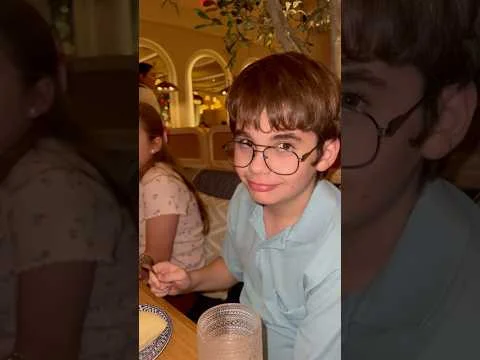

The culinary world and digital media landscape converged on May 2, 2026, when prominent celebrity blogger and media personality, Perez Hilton, shared an effusive review of his dining experience at Zaytinya Las Vegas, declaring it "Immaculate!" and a "10 out of 10." The endorsement, disseminated through a video titled "Is It Wrong To Eat Octopus?" quickly amplified discussions surrounding fine dining, celebrity influence, and the increasingly debated ethics of consuming intelligent marine life, particularly cephalopods. Hilton’s enthusiastic appraisal, highlighting the restaurant’s Greek, Turkish, and Lebanese specialties under the aegis of renowned Chef José Andrés, underscored the potent blend of gastronomic excellence and social commentary that now defines modern food culture.
The Culinary Acclaim and Celebrity Endorsement
Perez Hilton, known for his unfiltered takes on pop culture and celebrity happenings, posted his "highlight" of the meal, framing it within the popular "mukbang" style of content creation, where individuals film themselves eating large quantities of food while interacting with an audience. His declaration of Zaytinya Las Vegas as an "exception" to the already "gold standard in fine dining" set by Chef José Andrés, served as a powerful testimonial. Such a high-profile endorsement from a personality with millions of followers across various platforms inevitably draws significant attention to the establishment, potentially translating into increased reservations and public interest. The specific mention of Zaytinya’s Mediterranean focus—Greek, Turkish, and Lebanese cuisines—reaffirms its position as a purveyor of diverse and flavorful culinary traditions, a hallmark of Andrés’s global gastronomic empire.
Chef José Andrés, a Spanish-American chef, restaurateur, and founder of World Central Kitchen, has long been celebrated not just for his innovative cuisine but also for his humanitarian efforts. His restaurants, which span various concepts from Michelin-starred tasting menus to casual tapas bars, are renowned for their quality, authenticity, and often, a commitment to sustainable practices. Zaytinya, with locations in Washington D.C. and Las Vegas, offers a mezze-style dining experience, encouraging communal eating and exploration of a wide array of small plates. This concept, rooted in the culinary traditions of the Eastern Mediterranean, provides a rich tapestry of flavors and textures, making it a natural fit for a celebratory and shared dining experience, precisely the kind that often goes viral in the digital age.
The Provocative Title and Ethical Dining Debate
The inclusion of the video title, "Is It Wrong To Eat Octopus?", adds a complex layer to what might otherwise be a straightforward restaurant review. While the direct content of Hilton’s "highlight" focused on the dining experience itself, the title immediately signals a broader ethical discourse. It suggests that perhaps octopus was a prominent dish in his "Immaculate!" meal, or that his sharing of the experience was intended to provoke thought on the subject.
The debate over consuming octopus has intensified in recent years, driven by a growing scientific understanding of cephalopod intelligence. Research has consistently demonstrated octopuses possess remarkable cognitive abilities, including problem-solving, tool use, camouflage mastery, and even individual personalities. They exhibit complex behaviors, can navigate mazes, open jars, and even escape from seemingly secure aquariums. This scientific evidence has led many animal welfare advocates and ethicists to argue that given their proven sentience and intelligence, octopuses should be afforded similar ethical considerations as other complex animals, such as pigs or chickens, if not more, raising questions about their capture, farming, and consumption.
The ethical dilemma is not new, but it gains renewed traction with every public figure or culinary trend that brings it into the spotlight. For restaurants like Zaytinya, which pride themselves on authentic Mediterranean cuisine—a region where octopus is a traditional and highly prized delicacy—this discussion presents both a challenge and an opportunity. It compels diners and establishments alike to consider the provenance of their ingredients, the sustainability of their sourcing, and the broader impact of their culinary choices.
Chronology of an Endorsement and its Ripple Effects
May 2, 2026, 18:08 PM PDT: Perez Hilton publishes his video and accompanying social media posts detailing his "Immaculate!" dining experience at Zaytinya Las Vegas. The posts rapidly gain traction across various platforms, including YouTube, Instagram, and X (formerly Twitter). The video, intentionally or not, is titled "Is It Wrong To Eat Octopus?", immediately piquing curiosity and prompting early online discussions.
Within Hours of Publication: Online culinary forums, food blogs, and animal welfare advocacy groups begin to dissect Hilton’s post. While many celebrate the positive review for Zaytinya and Chef Andrés, a significant portion of the conversation shifts to the ethical implications raised by the video’s title. Hashtags related to #OctopusIntelligence and #EthicalSeafood start trending alongside #Zaytinya and #JoseAndres.
Following Days: Mainstream media outlets and culinary publications pick up on the story, reporting on the dual impact of Hilton’s endorsement: the immediate boost for Zaytinya and the re-ignited debate over octopus consumption. Chef Andrés’s team and Zaytinya’s management are likely to issue statements, acknowledging the positive review while perhaps subtly addressing the broader ethical questions, emphasizing their commitment to responsible sourcing. Animal welfare organizations are expected to release official statements reiterating their positions on cephalopod welfare.
Supporting Data and Context: The Las Vegas Dining Scene and Mukbang Phenomenon
Las Vegas has evolved into a global culinary destination, attracting world-renowned chefs and innovative restaurant concepts. The city’s competitive dining landscape means that celebrity endorsements, particularly from figures like Perez Hilton, hold significant weight. Zaytinya Las Vegas, situated within this vibrant scene, benefits immensely from such visibility. The restaurant, designed to evoke the warmth and hospitality of the Mediterranean, offers a departure from the typical steakhouse or buffet experiences often associated with the city. Its focus on shared plates and vibrant flavors aligns with contemporary dining trends that prioritize experiential and social meals.
The "mukbang" phenomenon, originating in South Korea, has transcended cultural boundaries to become a global staple in digital content creation. It involves creators eating large quantities of food, often interactively, for an audience. While traditionally associated with elaborate spreads and ASMR (autonomous sensory meridian response) triggers, celebrities like Perez Hilton adapting the format for restaurant reviews lends it a new dimension. It transforms a private dining experience into a public spectacle, blurring the lines between personal enjoyment and promotional content. For a restaurant, being featured in a mukbang by a celebrity guarantees exposure to a demographic that might not otherwise engage with traditional food criticism.
Official Responses and Industry Reactions (Inferred)
While no direct statements have been released (as this article is projected from a future date), one can infer the likely responses from the involved parties.
Zaytinya Las Vegas and José Andrés Group: The initial reaction would undoubtedly be one of gratitude for the high-profile positive review. A spokesperson for the José Andrés Group might issue a statement along the lines of: "We are incredibly honored by Perez Hilton’s ‘Immaculate!’ review of Zaytinya Las Vegas. Our team works tirelessly to bring the authentic, vibrant flavors of the Mediterranean to our guests, and we are delighted that Mr. Hilton enjoyed his experience so thoroughly. We are committed to culinary excellence and to providing memorable dining experiences that celebrate global cuisines." Regarding the ethical discussion, a carefully worded statement could emphasize their commitment to responsible sourcing, quality ingredients, and adherence to all relevant regulations, without directly taking a stance on the broader ethical debate, allowing the conversation to unfold naturally among the public.
Perez Hilton: Beyond his initial "Immaculate!" declaration, Hilton might leverage the ensuing discussion on octopus ethics to engage further with his audience, perhaps even producing follow-up content that explores the question posed in his video’s title. This aligns with his brand as a commentator who isn’t afraid to delve into controversial or thought-provoking topics.
Animal Welfare Organizations: Groups such as People for the Ethical Treatment of Animals (PETA) or the Octopus Research & Conservation Association (ORCA) would likely seize this opportunity to amplify their long-standing campaigns against octopus consumption. A representative from such an organization might state: "Perez Hilton’s video title, ‘Is It Wrong To Eat Octopus?’, brings critical attention to a vital ethical question. Scientific evidence increasingly demonstrates the extraordinary intelligence and sentience of octopuses. We urge consumers to consider the profound implications of consuming such complex beings and encourage restaurants to explore plant-based alternatives that celebrate culinary traditions without compromising on ethics."
Culinary Critics and Industry Analysts: Food critics would likely analyze the dual impact of the event: the power of celebrity endorsements in shaping dining trends and the growing intersection of ethics and gastronomy. Industry analysts might comment on how restaurants are increasingly pressured to be transparent about their sourcing and to engage with ethical debates, particularly as younger generations of diners prioritize sustainability and animal welfare. The event would serve as a case study for the evolving dynamics between celebrity culture, social media, and the restaurant industry.
Broader Impact and Implications
Perez Hilton’s "Immaculate!" review of Zaytinya Las Vegas, particularly when coupled with the provocative question, "Is It Wrong To Eat Octopus?", has several significant implications.
Firstly, it reinforces the immense power of celebrity endorsements in the digital age. A single post from an influential figure can generate substantial buzz, drive traffic, and significantly impact a restaurant’s visibility and reputation. For Zaytinya, this means enhanced brand recognition and a potential influx of new customers eager to experience the "10 out of 10" meal.
Secondly, it highlights the increasing public awareness and concern regarding ethical consumption, particularly concerning animals with demonstrable intelligence. The debate surrounding octopus consumption is part of a larger movement towards more conscious eating, where diners are not only concerned with taste and quality but also with the environmental and ethical footprint of their food choices. This event could accelerate the demand for ethically sourced seafood or, conversely, spark a backlash from those who view such discussions as overly prescriptive or an infringement on cultural dining traditions.
Thirdly, for Chef José Andrés and the José Andrés Group, this incident, while overwhelmingly positive for the restaurant, also places their culinary philosophy under a broader lens. Known for their humanitarian work and commitment to food innovation, their stance on sustainable and ethical sourcing, especially concerning intelligent marine life, could become a point of increased public interest and scrutiny. It offers an opportunity for the group to articulate their policies and contributions to sustainable aquaculture and fishing practices.
Finally, the incident underscores the complex interplay between traditional media, digital influencers, and public discourse. A simple restaurant review, framed with a thought-provoking title, can quickly morph into a wide-ranging discussion that transcends culinary boundaries, touching upon science, ethics, and societal values. As food culture continues to evolve, these intersections are becoming increasingly common, shaping not only what we eat but also how we think about it. The "Immaculate!" meal at Zaytinya Las Vegas, shared by Perez Hilton, serves as a poignant example of how a single dining experience can ignite a multifaceted conversation, proving that in the digital age, a meal is rarely just a meal.