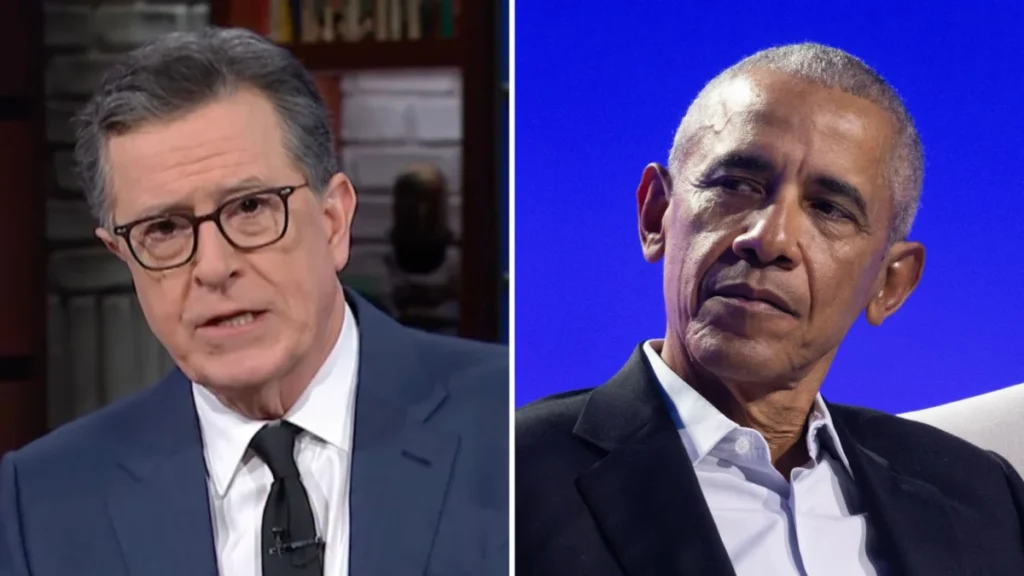

Former President Barack Obama is set to make a significant appearance on The Late Show with Stephen Colbert, marking a poignant moment as the long-running CBS program prepares to conclude its run on May 21st. The announcement, made by host Stephen Colbert during Thursday’s broadcast, revealed that Obama will be interviewed from the newly constructed Obama Presidential Center in Chicago, a location poised to officially open its doors to the public on June 19th. This interview represents a homecoming of sorts for both the former president and the late-night host, who have a history of engaging discussions across multiple platforms.
Colbert, known for his sharp wit and insightful interviews, shared the news with his audience, emphasizing the unique setting for this particular sit-down. "Folks, before we get started, I have a quick but exciting announcement," Colbert stated from behind his desk. "Tuesday, May 5, here on The Late Show in his first interview from the Obama Presidential Center in Chicago, I will be sitting down with former President Barack Obama." The significance of this date, just over two weeks before Colbert’s final show, underscores the symbolic weight of this appearance, potentially offering reflections on his presidency, his post-presidency endeavors, and the broader landscape of American politics.
The official Obama Foundation Instagram account responded enthusiastically to a clip of Colbert’s announcement, posting, "Couch booked. Volume up. Ready to go." This brief but evocative message signals anticipation from the foundation, highlighting the collaborative nature of this special broadcast.
This latest appearance will add to an already extensive history of interactions between Obama and Colbert. The two have shared the stage on several occasions, dating back to Colbert’s tenure at Comedy Central. Obama was a guest on The Colbert Report three times, engaging in the show’s signature blend of political satire and genuine conversation. Following Colbert’s transition to The Late Show on CBS, he welcomed President Obama twice. The first appearance, in 2016, occurred just months before Obama concluded his second term in office, offering a retrospective look at his presidency and his vision for the country’s future. His subsequent appearance in 2020, as the nation geared up for the transition to the Biden-Harris administration, provided insights into the political climate and the challenges facing the incoming leadership.
Beyond their televised interviews, Colbert has also been involved in significant political fundraising events that included former President Obama. Notably, he hosted a presidential fundraiser for Joe Biden alongside Obama and former President Bill Clinton at Radio City Music Hall on March 28, 2024. This demonstrates a continued engagement with political discourse and support for Democratic candidates, a thread that has often woven through Colbert’s public persona and his show’s content.
The Obama Presidential Center: A Landmark of Legacy and Future Engagement
The Obama Presidential Center, the chosen venue for this significant interview, represents a monumental undertaking by the Obama Foundation. Construction on the center began in 2021, and its grand opening is scheduled for June 19th, with a star-studded dedication ceremony planned for the preceding day. Situated in Jackson Park on Chicago’s South Side, the center is designed to be a multifaceted institution. It will house a museum dedicated to preserving and interpreting the Obama presidency, a library containing archival materials, and extensive community and conference facilities intended to foster civic engagement and dialogue. The center will also serve as the headquarters for the nonprofit Obama Foundation, which aims to inspire and empower individuals to change the world.
The choice of location is deeply symbolic. Chicago, Obama’s adopted hometown and the city where his political career began, serves as a fitting backdrop for reflecting on his journey and legacy. The presidential center is envisioned not merely as a repository of historical artifacts but as a dynamic hub for civic participation, educational programs, and community development. Its presence in Jackson Park is also intended to revitalize the surrounding area, contributing to the economic and cultural landscape of the South Side.
The End of an Era: The Late Show‘s Farewell
The impending conclusion of The Late Show with Stephen Colbert marks the end of a significant chapter in late-night television. CBS officially announced that the program would air its final episode in May 2026, coinciding with the close of the 2025-2026 broadcast season. This decision, attributed by the network to financial considerations, stated that the show was reportedly losing $40 million annually. However, the timing of the announcement and the show’s significant cultural and political impact led some critics to speculate about potential political motivations, particularly in the context of Paramount’s merger discussions with Skydance, which required governmental approval.
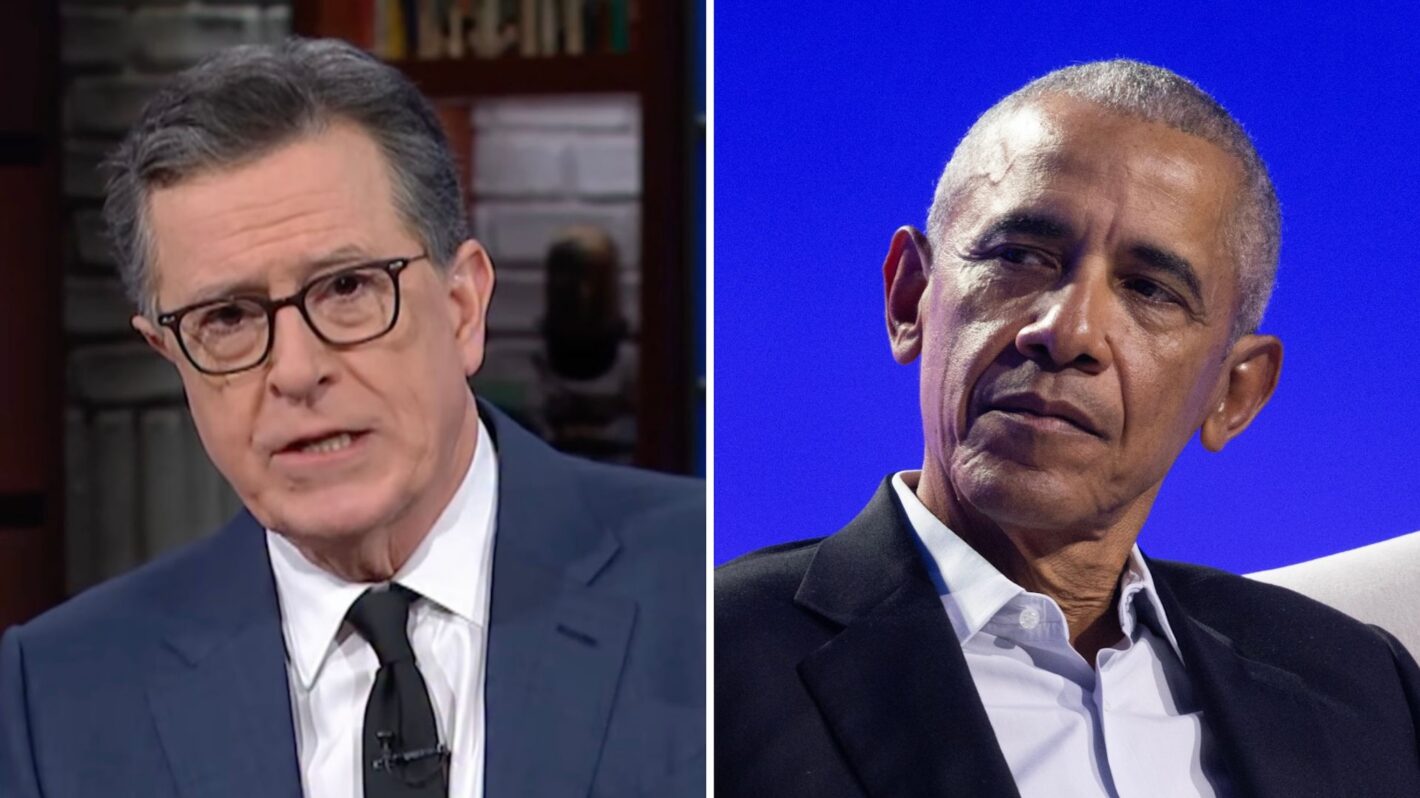
Colbert’s final broadcast is scheduled for May 21st, at 11:35 PM/10:35 PM Central Time on CBS. His departure from the late-night landscape leaves a void, as he has become a prominent voice in contemporary political commentary and cultural critique. Over his tenure, The Late Show has evolved into a platform for in-depth interviews, often delving into complex societal issues with a blend of humor and seriousness. Colbert’s ability to connect with his audience on both an intellectual and emotional level has been a hallmark of his success.
A Legacy of Dialogue and Political Engagement
The recurring appearances of President Obama on Colbert’s show are not merely coincidental; they reflect a shared trajectory in American political and media history. Obama’s presidency coincided with the rise of social media and a shifting media landscape, and his administration often engaged with popular culture to connect with a broader audience. Late-night television, in particular, became a crucial arena for presidents to communicate their messages, engage with public opinion, and project a more accessible persona.
Colbert, with his background in political satire and his subsequent evolution into a more substantive interviewer, provided a unique platform for Obama. Their conversations have often touched upon the challenges of the presidency, the complexities of governing, and the evolving role of the United States on the global stage. Obama’s willingness to appear on The Late Show multiple times signals a recognition of Colbert’s influence and the program’s ability to foster meaningful dialogue.
The interview from the Obama Presidential Center promises to be a particularly resonant event. It offers a moment of reflection on Obama’s legacy as he prepares to inaugurate a center dedicated to his presidency. For Colbert, it represents a significant closing chapter in his own esteemed run on The Late Show, bringing back a distinguished guest for what is sure to be a memorable conversation. The intersection of a former president, a departing late-night host, and a newly opened presidential center creates a rich tapestry of historical significance and future anticipation, underscoring the enduring power of dialogue in shaping public understanding and national discourse.
Broader Implications for Late-Night Television and Political Commentary
The conclusion of The Late Show with Stephen Colbert and the anticipated interview with Barack Obama occur at a pivotal moment for late-night television. The genre, once dominated by a handful of shows, now faces increased competition from streaming services and a fragmented media landscape. Network television is also grappling with evolving viewership habits and economic pressures, as evidenced by CBS’s decision to end Colbert’s program.
The financial realities cited by CBS—the reported annual loss of $40 million—highlight the challenges of maintaining traditional late-night formats in the current media economy. While some attribute the decision to business imperatives, others have raised concerns about potential political influences, particularly given Paramount’s ongoing merger negotiations. Regardless of the precise motivations, the end of The Late Show signifies a shift in the late-night landscape, potentially impacting the types of political commentary and cultural critique that reach a broad audience.
Colbert’s show has been a significant platform for political discourse, often serving as a bulwark against what he and many of his viewers perceived as misinformation and threats to democratic norms. His ability to dissect complex political events with humor and intellectual rigor resonated with a substantial audience, particularly those seeking a more progressive perspective. The loss of his voice in this prominent slot raises questions about where such commentary will find its primary audience and influence in the future.
The interview with Barack Obama, therefore, serves a dual purpose: it is a capstone to Colbert’s tenure on The Late Show, offering a moment of reflection and closure, and it is a significant cultural event that underscores the enduring importance of political dialogue. The setting at the Obama Presidential Center further elevates the occasion, linking it to a tangible monument of a presidency and a vision for future civic engagement. As the media landscape continues to evolve, the ability of programs like The Late Show to foster substantive conversations with influential figures remains a vital aspect of public discourse, even as the formats and platforms for such conversations undergo continuous transformation. The May 5th broadcast is poised to be a highlight of the television season, a conversation that will undoubtedly be dissected and remembered as The Late Show approaches its final curtain.