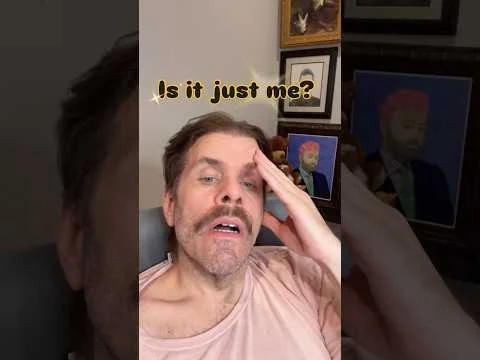

On May 2, 2026, at 18:44 PDT, veteran celebrity blogger Mario Armando Lavandeira Jr., widely known as Perez Hilton, published a self-described "silly" video on his eponymous website, perezhilton.com, embedded from YouTube under the title "Is It Just Me?". The accompanying text from Hilton stated, "I thought it would be hilarious to post it. Was funny to me! LOLs! | Perez Hilton shares a cringe video of himself being silly." This latest piece of content quickly became a point of discussion, marking another instance of Hilton’s evolving public persona and his continued engagement with digital audiences through candid, often self-deprecating, material. The video, depicting a moment of what Hilton himself characterized as "cringe," aligns with a broader trend among long-standing public figures to leverage authenticity and relatability in an increasingly crowded digital landscape.
The Evolution of Perez Hilton’s Digital Persona
Perez Hilton rose to prominence in the early 2000s as a pioneering and often controversial figure in celebrity gossip blogging. His website, PerezHilton.com, launched in 2004, became a dominant force in celebrity news, known for its unfiltered commentary, often critical and sometimes vitriolic, accompanied by signature scribbles over paparazzi photos. This era established Hilton as the "Queen of All Media" in the gossip sphere, attracting millions of readers and significant media attention. His approach, characterized by a no-holds-barred attitude, frequently placed him at the center of controversies, including public feuds with celebrities and legal challenges over copyright infringement. This initial phase of his career, while undeniably successful in terms of audience acquisition, also garnered him a reputation for being mean-spirited and overly invasive.
However, over the past decade, Hilton has visibly worked to rebrand his image. This shift began around the mid-2010s, with a conscious effort to move away from the "toxic" gossip culture he helped popularize. He openly discussed his past actions, expressing regret for some of his more aggressive commentary and embracing a more positive, supportive stance towards celebrities and his audience. This transformation was influenced by personal experiences, including fatherhood, and a growing awareness of the impact of online bullying. His content increasingly focused on parenting, mental health, and more celebratory aspects of pop culture, while still retaining elements of his signature snark. The "Is It Just Me?" video, posted in 2026, can be viewed as a continuation of this strategic pivot, where self-deprecating humor and a willingness to appear vulnerable or "silly" are used to foster a deeper, more relatable connection with his audience. It suggests a comfort with presenting an unpolished facet of himself, a stark contrast to the often-manufactured perfection promoted by many public figures.
The "Is It Just Me?" Phenomenon and Digital Authenticity
The phrase "Is It Just Me?" inherently invites audience participation and validation, tapping into a universal human desire for shared experience. In the context of digital content, especially from a celebrity, it functions as a prompt for connection, transforming a personal, potentially embarrassing moment into a communal one. The video, described by Hilton as "cringe," plays into a growing cultural phenomenon where awkwardness and relatability are celebrated rather than hidden. This "cringe aesthetic" has gained significant traction across social media platforms, with creators and celebrities alike sharing unpolished, imperfect, and sometimes outright embarrassing moments. The appeal lies in its authenticity; it humanizes public figures, making them seem more accessible and less curated than their typically glossy public images.
For a figure like Perez Hilton, whose career was built on dissecting the curated images of others, embracing a "cringe" moment for himself is a notable turn. It demonstrates an understanding of contemporary digital trends where raw, unedited content often outperforms highly produced material in terms of engagement and relatability. This strategy aims to bridge the gap between celebrity and audience, fostering a sense of shared humanity. The laughter, or "LOLs," that Hilton attributes to his own reaction further reinforces this, signaling to viewers that the content is intended to be lighthearted and self-aware. This approach allows him to maintain relevance by adapting to the evolving preferences of online audiences, who increasingly seek genuine interactions and content that reflects the imperfections of everyday life.
Chronology of a Media Maverick
Perez Hilton’s journey through the digital media landscape provides a fascinating case study in adaptation and reinvention.
- 2004: PerezHilton.com is launched, quickly establishing itself as a dominant force in celebrity gossip. Hilton’s provocative style and distinctive image (pink hair, colorful outfits) become synonymous with online celebrity news.
- Mid-2000s: The blog reaches its peak influence, becoming a daily read for millions and a major source of breaking celebrity news, often preceding traditional media outlets. This period is also marked by numerous controversies and legal battles.
- Late 2000s – Early 2010s: Amid growing public scrutiny and a shifting media landscape, Hilton begins to face criticism for his "mean" persona. Social media platforms like Twitter and Instagram emerge, decentralizing celebrity news and offering stars direct access to their fans, bypassing traditional gatekeepers like Hilton.
- Mid-2010s: Hilton initiates a conscious rebranding effort, publicly apologizing for past behaviors and advocating for anti-bullying. His content begins to diversify, incorporating more personal narratives, parenting advice, and positive celebrity news. He expands into other media, including radio and television appearances, and podcasting.
- Late 2010s – Early 2020s: Hilton continues to refine his brand, focusing on family life and maintaining a more balanced public image. He actively engages with new platforms like TikTok, demonstrating a commitment to staying current with digital trends and audience demographics.
- May 2, 2026: The "Is It Just Me?" video is posted, signaling a continued embrace of authenticity and self-aware humor as a key component of his digital strategy, nearly two decades after his initial rise to fame. This act places him firmly in the current era of digital creators who value relatability and direct engagement over strict adherence to traditional celebrity mystique.
Audience Engagement and the Creator Economy
In the modern creator economy, audience engagement metrics are paramount. For a personality like Perez Hilton, who operates an independent media platform, views, comments, shares, and watch time directly translate into sustained relevance and potential revenue streams. A video like "Is It Just Me?" is strategically designed to generate discussion and interaction. The inherent question in its title encourages comments, while the "cringe" factor often leads to shares among friends, multiplying its reach. While specific metrics for this particular video were not immediately available, the underlying principle is clear: content that provokes a strong, even if mixed, reaction tends to perform well.
YouTube, the platform where the video is embedded, is a cornerstone of the creator economy, rewarding consistent engagement. Content creators benefit from direct ad revenue, sponsored content opportunities, and merchandise sales, all fueled by their audience size and activity. By publishing a video that is intentionally relatable and slightly provocative, Hilton ensures that his content remains visible within the vast digital ecosystem. This move also caters to an audience that has grown up with social media, accustomed to a steady stream of personal, often unpolished, content from their favorite personalities. His longevity in the industry is a testament to his ability to adapt his content strategy to meet these evolving audience expectations and technological shifts.
Public and Critical Reception (Inferred)
Given Perez Hilton’s long and often polarizing career, the public reception to "Is It Just Me?" would likely be varied and multifaceted. On one end of the spectrum, long-time fans who have followed his evolution might appreciate the candidness and humor, seeing it as a sign of his continued growth and willingness to be vulnerable. This segment of the audience often values authenticity and finds connection in shared moments of imperfection. They might interpret the video as a refreshing break from the often-staged content prevalent online, celebrating Hilton’s ability to laugh at himself.
Conversely, some viewers, particularly those who remember his earlier, more aggressive blogging style, might view the video with skepticism. They might interpret it as a calculated attempt to remain relevant or to further distance himself from his controversial past, rather than a genuine moment of self-expression. Critics of the "cringe" aesthetic might also find the content unappealing, perceiving it as an effort to garner attention through manufactured awkwardness. However, even negative reactions contribute to engagement, driving discussion and increasing the video’s visibility.
From a media industry perspective, the posting of such a video by Perez Hilton could be seen as a strategic, albeit minor, event. It underscores the ongoing trend of legacy media figures adapting to the influencer model, where personal branding and direct audience engagement are paramount. Other celebrity news outlets might comment on it as a typical Hilton move, or as an example of how digital natives are shaping the future of celebrity-fan interaction. The fact that Hilton himself used the terms "hilarious" and "funny to me!" indicates a degree of self-awareness and control over the narrative surrounding the content, positioning it within his desired public image.
Broader Implications for Celebrity Culture
The "Is It Just Me?" video by Perez Hilton carries broader implications for celebrity culture and the ongoing discourse surrounding authenticity in the digital age. It highlights the increasing pressure on public figures to present a multi-faceted persona that balances aspirational content with relatable, human moments. The era of the untouchable, perfectly polished celebrity is giving way to one where vulnerability and imperfection are not only tolerated but actively sought after by audiences. This shift is particularly evident among younger demographics who prioritize genuine connection over manufactured glamour.
Furthermore, Hilton’s continued presence and adaptation illustrate the resilience required to maintain a public profile in the fast-paced, ever-changing digital environment. His ability to pivot from a controversial gossip blogger to a self-aware, family-oriented content creator who embraces "cringe" humor demonstrates a keen understanding of audience psychology and platform dynamics. This incident reinforces the idea that celebrity is no longer solely about talent or fame but increasingly about personal brand management, content strategy, and the ability to foster a loyal online community. As digital platforms continue to evolve, the boundaries between public and private, and between curated and authentic, will likely continue to blur, with figures like Perez Hilton leading the charge in navigating this complex landscape. His latest offering, simple yet evocative, serves as a small but significant marker in the ongoing evolution of celebrity in the 21st century.