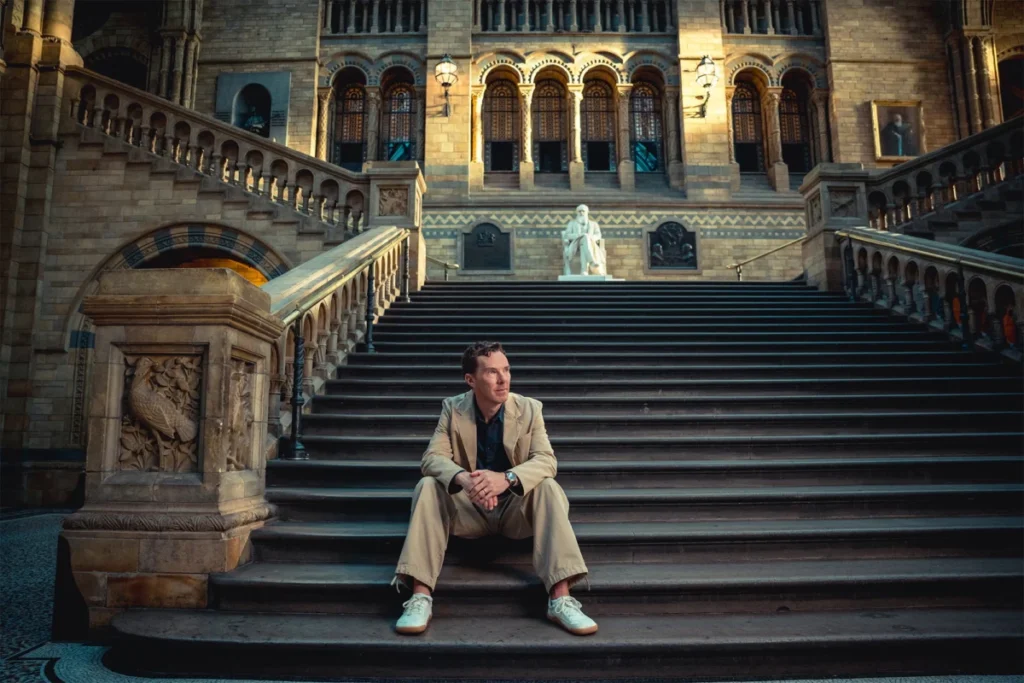

Open Planet has unveiled the official main trailer for their upcoming documentary, How to Live on Earth, a film presented by and featuring acclaimed actor Benedict Cumberbatch. Scheduled for a UK theatrical release this summer, the documentary will subsequently be available on YouTube later in the year. Notably, the film has not yet been showcased at any film festivals, a point of intrigue given its subject matter and potential appeal.
A Visionary Exploration of Humanity’s Connection to Nature
How to Live on Earth is positioned as an ambitious and visionary documentary that delves into the profound and vital connection between humanity and the natural world, exploring its critical role in shaping our collective future. In contrast to many contemporary documentaries that focus on the dire aspects of climate change, this film adopts an optimistic and forward-looking perspective. It aims to present a "heart-warming, entertaining, and energising" narrative, offering a hopeful vision of a future where both nature and humanity can thrive in a state of mutual prosperity.
The documentary draws on insights from a diverse group of leading contributors. These include Xiye Bastida, a prominent climate justice activist, whose perspective highlights the urgent need for equitable solutions to environmental challenges; Dan O’Neill, a seasoned field biologist, wildlife filmmaker, and explorer, who brings firsthand experience and visual storytelling from the front lines of conservation; and Sam Kass, a former White House chef and senior policy advisor on nutrition, who offers unique insights into the intersection of food systems, health, and environmental sustainability. These individuals share compelling narratives that illuminate the immense value of nature and underscore the severe risks associated with its degradation.

The film’s premise suggests that the solutions to humanity’s most pressing challenges may already exist within the natural world, framing the documentary as the "world’s greatest how-to video." This framing suggests a departure from alarmist rhetoric, opting instead for an empowering and educational approach that encourages proactive engagement and tangible action. The hope is that How to Live on Earth will inspire audiences to actively contribute to the preservation and well-being of the planet.
The Vision Behind the Lens: Fredi Devas’ Direction
The documentary is directed by Fredi Devas, a filmmaker with a distinguished track record in nature documentaries. Devas’ previous work includes the documentary Antarctica and significant contributions to widely acclaimed series such as "Planet Earth II" and "Seven Worlds, One Planet." His directorial expertise is expected to lend a visually stunning and narratively compelling quality to How to Live on Earth. The film is produced by Fredi Devas and Jonnie Hughes.
The official trailer, released via YouTube, offers a glimpse into the film’s aesthetic and thematic elements. It showcases powerful cinematography that captures the beauty and resilience of the natural world, interspersed with segments featuring the key contributors discussing their insights and experiences. The trailer aims to convey the film’s optimistic tone and its overarching message of hope and actionable solutions.
Timeline and Release Strategy
Open Planet is set to debut How to Live on Earth in UK cinemas on June 26, 2026. This summer release precedes its availability on YouTube later in the year, a dual-release strategy designed to reach a broad audience. The film’s official website, howtoliveonearth.net, provides further information and updates for interested viewers.

The decision to prioritize a UK theatrical release before a wider digital platform release suggests a strategy to build initial buzz and engagement through cinema screenings. While the absence of prior festival appearances is unusual for a film of this nature, it may indicate a strategic choice to control the narrative and impact of its initial unveiling.
Supporting Data and Context
The documentary arrives at a critical juncture for global environmental discourse. Scientific consensus, as reported by the Intergovernmental Panel on Climate Change (IPCC), continues to highlight the accelerating impacts of climate change, including rising global temperatures, increased frequency of extreme weather events, and significant biodiversity loss. For instance, the IPCC’s Sixth Assessment Report (2021-2023) unequivocally states that human influence has warmed the atmosphere, ocean, and land, leading to widespread and rapid changes.
- Biodiversity Loss: The Convention on Biological Diversity (CBD) has warned that species are disappearing at rates unprecedented in human history. The Intergovernmental Science-Policy Platform on Biodiversity and Ecosystem Services (IPBES) Global Assessment Report on Biodiversity and Ecosystem Services (2019) estimated that around 1 million animal and plant species are now threatened with extinction, many within decades.
- Climate Change Impacts: The World Meteorological Organization (WMO) has consistently reported record-breaking global temperatures. The WMO’s Provisional State of the Global Climate 2023 report indicated that the past nine years were the warmest on record, with significant increases in ocean heat content, sea level rise, and glacier melt.
- Solutions and Innovation: Alongside the challenges, there is a growing body of research and practical application focused on nature-based solutions. Organizations like the United Nations Environment Programme (UNEP) actively promote initiatives such as reforestation, sustainable agriculture, and ecosystem restoration as vital components of climate action and biodiversity conservation. The concept of "rewilding" and regenerative practices in farming are gaining traction, demonstrating tangible ways to work with nature for mutual benefit.
The contributions of individuals like Xiye Bastida, who has been a prominent voice in youth climate activism, and Sam Kass, who has worked on policy initiatives to improve food systems and public health, reflect a growing recognition of the interconnectedness of environmental, social, and economic well-being. Their involvement in How to Live on Earth suggests the film will explore practical applications of these interconnected solutions.
Broader Impact and Implications
The optimistic framing of How to Live on Earth could have significant implications for public engagement with environmental issues. By avoiding a purely catastrophic narrative, the film has the potential to inspire action rather than paralysis. The "how-to" approach suggested by its premise implies a focus on empowering individuals and communities with knowledge and strategies for positive change.

The documentary’s emphasis on the "vital connection to nature" speaks to a broader philosophical and psychological need for humans to reconnect with the natural world. Research in environmental psychology has increasingly highlighted the benefits of nature exposure for mental and physical well-being, a concept known as biophilia. By showcasing how "nature thrives, and so do we," the film may tap into this inherent human affinity, fostering a deeper appreciation and commitment to conservation.
The collaboration with Benedict Cumberbatch, a globally recognized figure, is likely to amplify the film’s reach and impact. His involvement lends a significant platform to the documentary’s message, potentially drawing in audiences who might not typically engage with environmental films.
The documentary’s release strategy, with a UK cinema debut followed by a YouTube premiere, represents a modern approach to film distribution. This hybrid model allows for a traditional theatrical experience while ensuring broad accessibility through a widely used digital platform. The film’s official website will serve as a central hub for information, further engaging audiences and potentially fostering community around its themes.
In essence, How to Live on Earth aims to be more than just an environmental documentary; it seeks to be a catalyst for change, offering a hopeful and actionable vision for a future where humanity and nature coexist and flourish. The success of its message will ultimately depend on its ability to translate its inspiring narrative into tangible shifts in public perception and behavior.