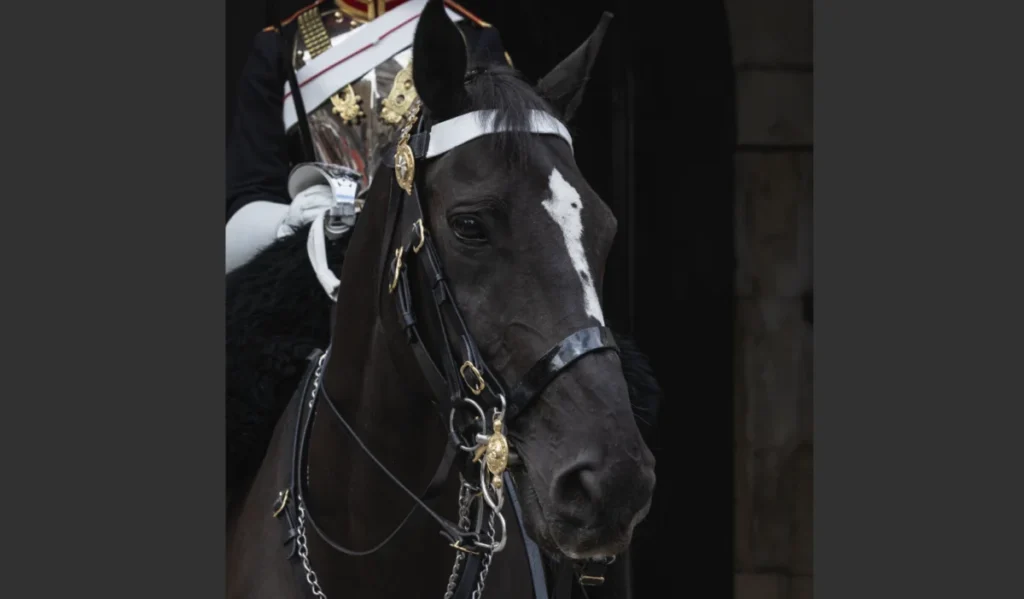

After 13 years of steadfast service at the heart of the British monarchy’s most visible and historic traditions, Ormonde—an 18-year-old black Irish Sports Horse and one of the Household Cavalry’s most recognizable equine personalities—has officially retired. The 17-hand gelding has traded the pomp, pageantry, and bustling crowds of central London for the tranquil, rolling pastures of The Horse Trust in Buckinghamshire. While his formal duties alongside the King’s Life Guard at Horse Guards have drawn to a close, Ormonde’s transition into retirement marks the end of an era defined by resilience, historical significance, and unexpected digital stardom.
The Main Facts of Ormonde’s Career and Retirement
Ormonde’s departure from active military service was finalized following his relocation to The Horse Trust in September, where he joined several fellow Household Cavalry retirees. Medical assessments and routine health checks have confirmed that the seasoned military horse is settling into his new environment with robust health and his characteristic inquisitiveness intact.
Throughout his career, Ormonde stood as a silent yet imposing sentinel outside Horse Guards, a destination that attracts millions of international tourists annually. However, it was his zero-tolerance policy toward overly enthusiastic sightseers that transformed him into a global internet phenomenon. Videos capturing Ormonde’s subtle—and occasionally not-so-subtle—attempts to deter tourists who ventured past safety barriers to pose for photographs regularly circulated across social media platforms, including TikTok and Instagram. These viral moments endeared him to millions worldwide, establishing a stark contrast between his strict military decorum on duty and his cheeky personality off-guard.
Despite his social media notoriety, Ormonde’s primary function was elite ceremonial service. Standing at an imposing 17 hands, horses of his caliber must possess immense physical stamina, a calm temperament under pressure, and the ability to remain completely motionless amidst deafening crowds, loud music, and sudden movements.
Chronology of Service: A Timeline of Historical Milestones
Ormonde’s tenure with the Household Cavalry Mounted Regiment began in 2013, positioning him at the center of national life during a transformative decade for the British monarchy. His service timeline reads as a roster of modern British history:
- 2013: Ormonde is formally inducted into the Household Cavalry Mounted Regiment, beginning years of rigorous training to acclimate to the sensory overload of London’s streets.
- 2016–2021: He participates in numerous routine State Opening of Parliament ceremonies, royal visits, and Trooping the Colour parades, establishing himself as a reliable and steady mount for the Sovereign’s Guard.
- September 2022: Ormonde forms part of the ceremonial infrastructure during the solemn mourning period and state funeral of Queen Elizabeth II, displaying unwavering composure during a period of intense national grief.
- May 2023: He takes part in the historic Coronation of King Charles III and Queen Camilla, a logistical triumph for the Household Cavalry that required absolute precision from both riders and horses.
- June 2022 to June 2024: Ormonde participates in high-profile celebrations, including the late Queen’s Platinum Jubilee and subsequent royal events, while simultaneously achieving viral fame on social media for his interactions with tourists.
- September 2026: After 13 years of exemplary service, Ormonde officially retires from the military, arriving at The Horse Trust to begin his well-earned respite.
Supporting Data and the Role of the Household Cavalry
The life of a Household Cavalry charger involves far more than standing still for photographs. The regiment, split between Hyde Park Barracks in Knightsbridge and Combermere Barracks in Windsor, comprises the Life Guards and the Blues and Royals. Together, they form the Sovereign’s official bodyguard and take primary responsibility for the ceremonial duties associated with the monarch.
Horses selected for this elite duty must undergo years of specialized training. They are conditioned to ignore sudden loud noises, billowing flags, camera flashes, and dense crowds—stimuli that would naturally trigger a flight response in most equines. The physical demands placed on horses like Ormonde are immense; carrying a heavily equipped soldier in full ceremonial dress requires immense musculoskeletal strength, sound conformation, and exceptional cardiovascular health.
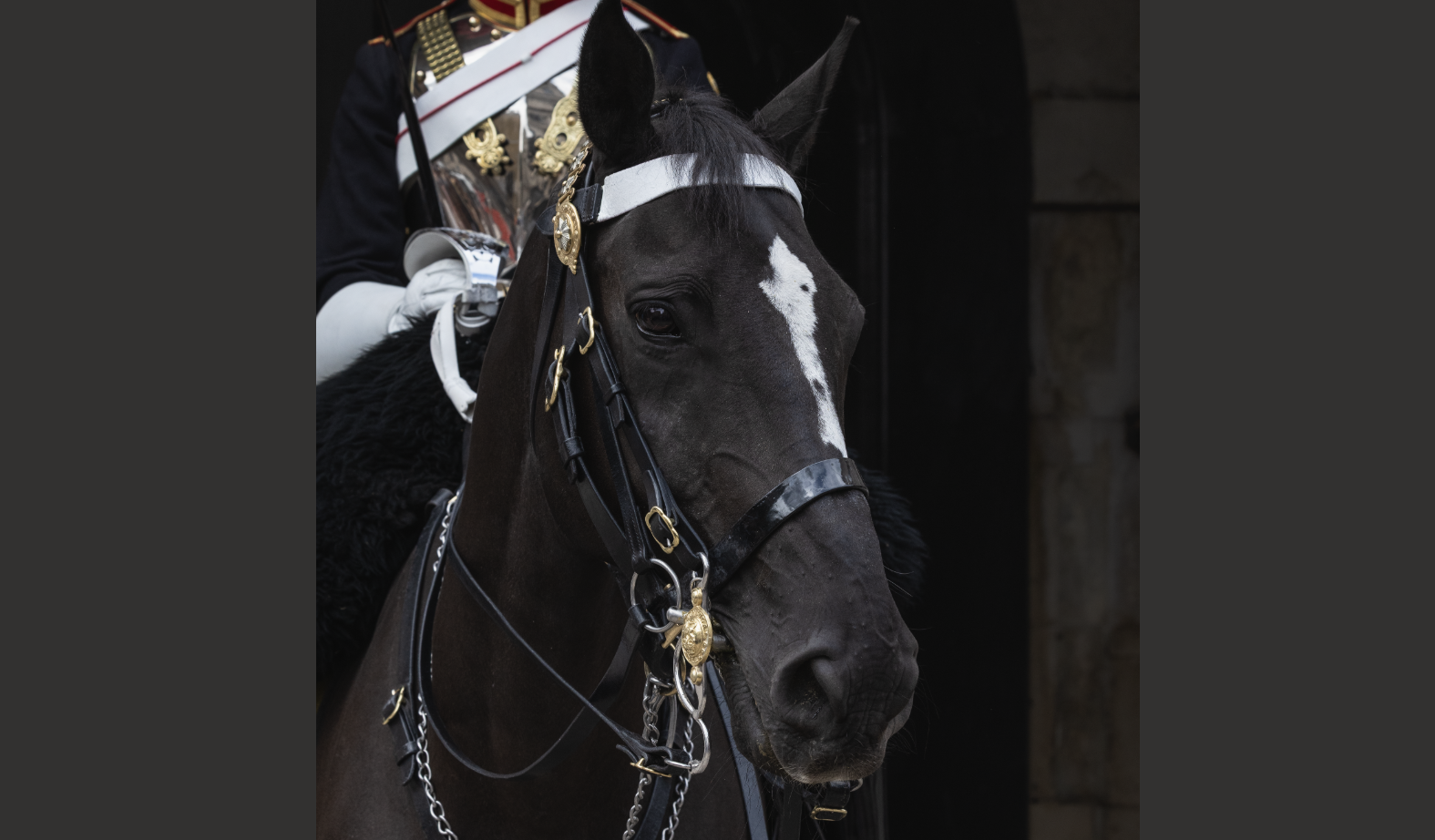
When these animals reach retirement age—typically between 16 and 20 years old, depending on wear and tear—the British Army ensures they are transitioned into specialized care rather than entering the commercial market. The Horse Trust, founded in 1886, has served as the premier retirement sanctuary for military, police, and working horses in the United Kingdom for nearly 140 years. The facility provides lifelong medical care, specialized diets, and expansive pasture access, ensuring that horses who have dedicated their lives to public service can spend their twilight years in comfort.
Official Responses and Sanctuary Life
The announcement of Ormonde’s retirement has elicited warm reactions from both the leadership of The Horse Trust and the public. Jeanette Allen, Chief Executive of The Horse Trust, expressed immense delight over the arrival of the famous gelding.
"We’re absolutely thrilled to have the legendary Ormonde retire to us!" Allen stated. Acknowledging his internet reputation, she added with humor, "Famed for nibbling tourists who got a bit too close to him at Horse Guards, we are very happy to report that he has behaved beautifully since his arrival here!"
Charity staff members have reported that Ormonde has wasted no time integrating into sanctuary life. He has struck up a particularly close friendship with Quarterdeck, another former Household Cavalry colleague who retired alongside him. According to the sanctuary’s Training Groom, Lotte, Ormonde remains as inquisitive as ever, showing a distinct preference for affectionate neck scratches and consistently being among the first horses to gallop over when handlers perform morning field checks. Another groom, Kelly, noted that Ormonde retains his vigilant streak, frequently inspecting surrounding enclosures whenever staff members attend to neighboring horses.
Global admirers flooded social media with celebratory messages upon learning of his safe arrival in Buckinghamshire. One follower humorously posted, "Oh Ormonde… at last… no more annoying tourists!!" Another wrote, "Have a lovely retirement Ormonde and friends. No nibbling the Horse Trust staff."
Broader Impact and the Legacy of Working Equines
Ormonde’s retirement highlights the evolving relationship between traditional military institutions and the digital public. In an era where modern communications strategies utilize social media to humanize historic institutions, individual animals like Ormonde inadvertently become ambassadors for the British military. By capturing the public’s imagination, the gelding helped bridge the gap between ancient royal pomp and contemporary digital culture, humanizing the stoic imagery of the King’s Life Guard.
Furthermore, the transition of horses like Ormonde underscores the high standards of welfare maintained by the British Armed Forces and animal welfare charities. The partnership between the Household Cavalry and organizations like The Horse Trust ensures that animals subjected to the rigors of state ceremonial duties are granted a dignified, comfortable retirement.
While visitors to The Horse Trust will not experience Ormonde as part of a structured public tour—given that the sanctuary prioritizes a quiet, stress-free environment for its residents—lucky supporters may occasionally catch sight of him acting as a paddock star across the Buckinghamshire estate. For Ormonde, the cacophony of central London traffic, flashing camera lenses, and curious tourists has been permanently replaced by wide-open pastures, lifelong equine companions, and an endless supply of the neck scratches he so richly deserves.