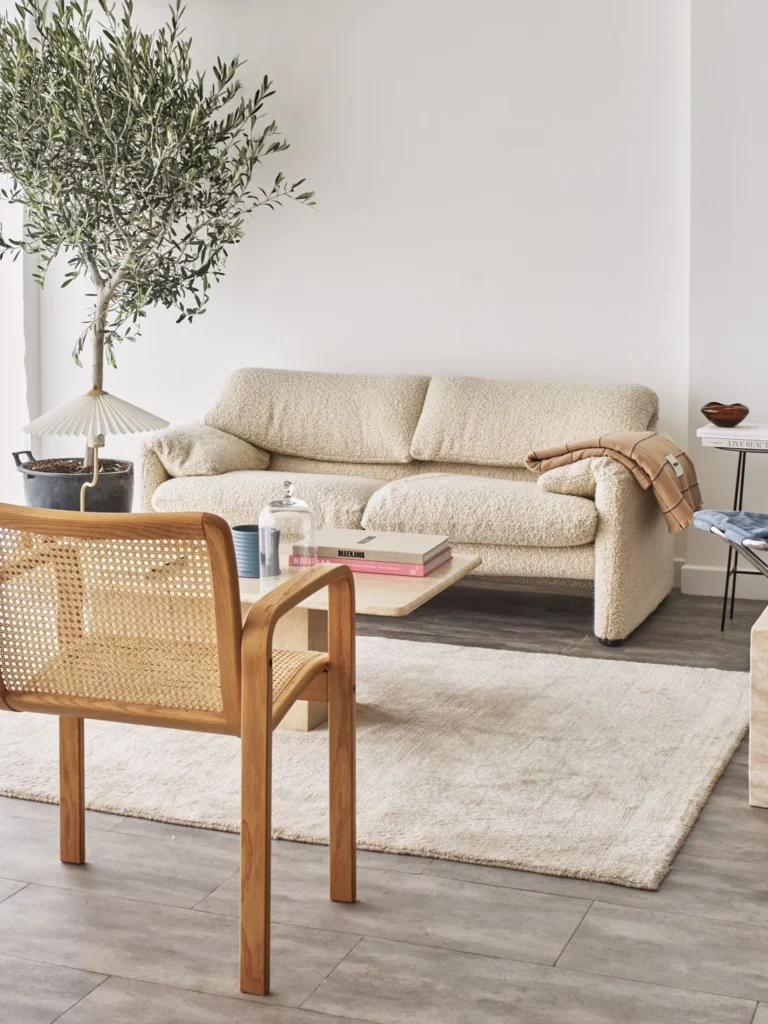

The pursuit of a sophisticated and welcoming home environment is often synonymous with the acquisition of sprawling sectionals and oversized sofas, yet current interior design trends suggest that the most functional living spaces are increasingly defined by restraint. As urban living spaces become more compact and the desire for intimate, multi-purpose rooms grows, the love seat—a piece of furniture traditionally designed to accommodate two people—has emerged as a focal point of high-end residential design. These compact silhouettes, typically ranging from 55 to 70 inches in width, offer an architectural solution to space constraints while simultaneously introducing an element of deliberate, refined comfort that larger pieces may overwhelm.

The Evolution of the Love Seat in Modern Interior Design
Historically, the love seat originated in the late 17th century as a functional piece of furniture designed to accommodate the voluminous skirts of women’s fashion during that era. Over centuries, the design transitioned from a rigid, upright seat to the plush, upholstered forms recognized today. In contemporary residential architecture, the love seat serves a dual purpose: it acts as a space-saving alternative for small-footprint apartments and as an intimate "conversation starter" in larger, expansive rooms.
Designers note that the resurgence of the love seat is closely tied to the shift toward "soft minimalism" and "maximalist comfort." By selecting a love seat with a sculptural backrest or an enveloping, curved silhouette, homeowners can create a sense of cocooning. This psychological benefit—the feeling of being held or embraced by one’s furniture—has become a priority for consumers seeking a sanctuary-like atmosphere within their private residences.

Strategic Integration: Balancing Scale and Proportion
Integrating a love seat into a larger floor plan requires a sophisticated understanding of scale. When placed within a spacious living room, a love seat should not stand alone. Interior design professionals suggest pairing these compact pieces with chaises or iconic accent chairs to extend the visual footprint of the seating arrangement. This technique allows the homeowner to maintain the intimacy of the love seat while ensuring the room does not feel under-furnished or disconnected.
This approach is mirrored in the private residences of high-profile public figures. For instance, the vintage love seat featured in the Atlanta home of musician Usher demonstrates how a single, well-curated piece can anchor a space without demanding the entirety of the room’s square footage. By treating the love seat as an object of art rather than a utility piece, homeowners can make a powerful design statement that is personal and curated.

Market Overview and Top-Tier Selections
The current market for high-design love seats reflects a broad spectrum of aesthetics, from mid-century modern to traditional leather-clad craftsmanship. Recent data indicates that consumers are increasingly favoring pieces that offer both high-performance textiles and sustainable manufacturing practices.
The West Elm Bogart Loveseat: A Study in Sculptural Form
The West Elm Bogart has gained traction for its departure from standard leg-based construction. Featuring a sculptural cutout base that conceals the legs, it eliminates the "blocky" aesthetic often found in budget-friendly furniture. From a technical standpoint, the piece offers a medium-firm level of support, which, while initially perceived as rigid, provides long-term structural integrity and prevents the sagging commonly associated with lower-density foam cushions.

Serena & Lily Spruce Street: Customization and Heritage
Serena & Lily’s Spruce Street love seat emphasizes the importance of material versatility. With over 125 upholstery options, ranging from performance linen to basketweave, the piece is designed to adapt to the specific environmental needs of a home. The focus on a solid wood frame indicates a shift back toward "heirloom-quality" manufacturing, where durability is prioritized alongside aesthetic versatility.
Performance and Sustainability: The Quince Boucle Model
The Quince Performance Boucle Love Seat represents the industry’s move toward transparency and health-conscious manufacturing. By utilizing Oeko-Tex-certified fabrics, the manufacturer ensures that the upholstery is free from harmful levels of substances. Furthermore, the use of FSC-certified hardwood frames addresses growing consumer demand for responsible wood sourcing, a critical factor in modern furniture procurement.

Leather Craftsmanship: Crate & Barrel Axis
Leather furniture remains a staple of luxury interior design, and the Crate & Barrel Axis collection highlights the necessity of range. By offering 45 leather options, the brand allows for high levels of personalization. The inclusion of track arms and an angled back provides a classic, timeless silhouette that transitions seamlessly from residential entryways to professional dens.
The Rise of Functional Comfort: Pottery Barn’s Cameron Recliner
The perception of reclining furniture has evolved from purely utilitarian to high-end comfort. The Pottery Barn Cameron power-reclining sofa demonstrates that a love seat does not need to sacrifice technology for style. The modular nature of such pieces allows them to grow alongside the homeowner, proving that a small investment in a modular unit can yield long-term dividends in functionality.

Economic and Practical Implications
The decision to opt for a smaller love seat over a massive sectional is often driven by both space limitations and financial efficiency. Smaller pieces are inherently easier to move and reconfigure, which appeals to a mobile, modern workforce. Furthermore, the ability to utilize "Repair Don’t Replace" programs—such as those offered by brands like Sabai—extends the lifecycle of the furniture, reducing the environmental impact associated with the rapid cycle of fast furniture consumption.
The Sabai Essential Love Seat serves as an industry case study in circular design. By allowing users to replace individual cushions or legs, the company provides an alternative to the "throwaway culture" that has plagued the furniture industry for decades. This focus on modularity and repairability is not merely a marketing strategy but a response to global sustainability mandates and the increasing consumer interest in the environmental footprint of their home goods.

The Historic Significance of Iconic Design
Some pieces, such as the Knoll Womb Settee, transcend the category of furniture and enter the realm of historical artifacts. Designed by Eero Saarinen in 1948, the piece was a response to the post-war need for relaxation. Nearly 80 years later, the persistence of this design in the marketplace speaks to the enduring value of ergonomic, high-design furniture. Acquiring a piece of this pedigree is an investment in design history, further proving that the impact of a love seat is not measured by its size, but by its cultural and structural longevity.
Analysis: Why the Trend Toward Compact Seating Persists
The shift toward smaller, high-design seating is likely to persist as urban density increases. According to census data and housing trends, the average size of new residential developments in metropolitan areas has plateaued, and in some cases, decreased. This necessitates furniture that offers high utility per square foot.

Furthermore, the "living-as-an-experience" movement, which emphasizes high-quality, singular pieces over mass-market sets, favors the love seat. By choosing one or two statement-making love seats rather than a single, massive sectional, homeowners can create a dynamic, flexible floor plan that can be adjusted for social gatherings or quiet, solitary relaxation.
Conclusion
The love seat is no longer a secondary consideration in home furnishing; it has become a primary instrument for sophisticated, space-conscious design. Whether through the sculptural lines of a mid-century modern classic or the sustainable, modular innovation of a contemporary startup, the love seat provides a unique opportunity to curate a home that is both intimate and elegant. As the industry continues to innovate in the areas of material health, modularity, and aesthetic diversity, the love seat will remain a vital component of the modern interior landscape, proving that in the world of design, bigger is rarely better.