
In the tightly managed world of the Korean pop industry, interactions between members of top-tier groups from rival or separate entertainment agencies are historically rare, highly scrutinized, and frequently subject to intense public speculation. On October 31, 2026, the boundaries of typical social media protocol within K-pop were visibly blurred when BTS member Jungkook unexpectedly reposted content concerning BLACKPINK member Jisoo on his official Instagram account. The digital endorsement sent immediate shockwaves across global fandom communities, triggering a massive wave of online traffic, enthusiastic commentary, and widespread media coverage that underscored the immense cultural footprint shared by the two global megastars.
Main Facts and the Social Media Incident
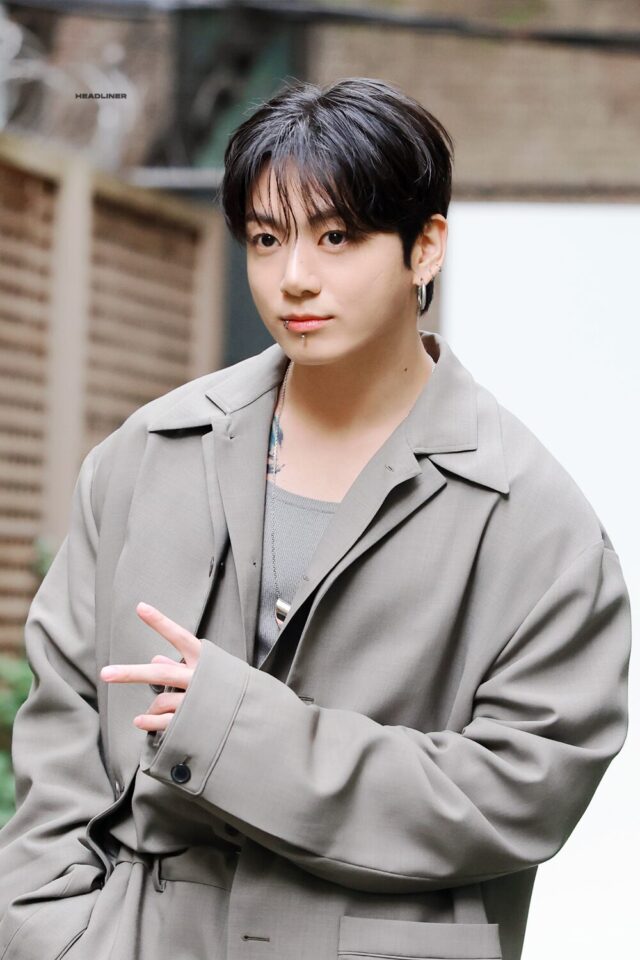
The incident unfolded late in the day when Jungkook, known among fans for his unpredictable and frequent social media activity, shared a post concerning Jisoo’s newly released musical project directly to his personal Instagram footprint. The original post highlighted the BLACKPINK vocalist’s latest single, drawing immediate attention from netizens who monitor the digital movements of BTS and BLACKPINK members with near-constant vigilance.

Within minutes of the repost appearing on Jungkook’s account, fans captured screenshots and rapidly disseminated the update across X (formerly Twitter), Instagram, and various online forums such as TheQoo and Pann. The crossing of paths between two artists originating from K-pop’s two most dominant powerhouse agencies—HYBE and YG Entertainment—rapidly propelled the topic to trending status worldwide. For a significant segment of the global fandom, witnessing a direct acknowledgment from a member of BTS toward a member of BLACKPINK on an open platform was a rare occurrence, shattering the invisible walls historically erected by competitive fan bases and corporate PR strategies alike.
Chronology of Events and Digital Activity
To understand the weight of Jungkook’s recent Instagram activity, one must examine his broader pattern of usage on the platform. Following the completion of mandatory military service milestones and the gradual resumption of individual activities by BTS members, Jungkook has periodically engaged in high-profile social media rampages. These digital sprees have frequently featured spontaneous interactions, shares of close celebrity friends such as SEVENTEEN member Mingyu, and sudden updates regarding his personal routines.
The timeline of the October 31 incident proceeded rapidly:

- Pre-Incident: Jisoo’s promotional campaign for her new solo music gained traction across major streaming platforms and social media channels, generating thousands of fan-led posts and promotional graphics.
- The Repost: Jungkook utilized his verified Instagram account to share a post highlighting Jisoo’s new release, seamlessly integrating the content into his active story or feed stream.
- Fandom Real-Time Reaction: Within seconds, analytical fans tracking his real-time engagement noticed the share. Screen recordings and captures were uploaded to X, with fan accounts noting the cross-group interaction in disbelief.
- The Surge: Within hours, the original Instagram post referenced in Jungkook’s share was flooded with thousands of comments from international and domestic fans expressing shock, admiration, and amusement at the unexpected crossover.
Supporting Data and Fandom Metrics
The intersection of BTS and BLACKPINK represents the apex of Hallyu influence in the 21st century. Quantifying the impact of Jungkook’s Instagram activity involves looking at the sheer scale of both artists’ digital ecosystems:
- Global Following: Both BTS and BLACKPINK command tens of millions of followers on Instagram, with individual members frequently ranking among the most-followed Asian accounts globally. Jungkook’s personal account historically attracts billions of impressions within hours of any new upload or update.
- Engagement Spikes: Following the repost, the targeted Instagram post experienced an immediate exponential increase in engagement metrics, including likes, algorithmic visibility, and user comments. Fan accounts dedicated to both BTS (ARMY) and BLACKPINK (BLINK) mobilized instantly, transforming a routine promotional share into a viral global hashtag event.
- Cross-Over Demographics: Data analytics from social listening tools indicate that overlapping interest between ARMY and BLINK cohorts, while historically fraught with competitive tension, represents one of the largest demographic overlaps in the entertainment industry. Jungkook’s action provided a rare validation of mutual industry respect that resonated deeply within these shared digital spaces.
Official Responses and Industry Context
As of publication, neither BigHit Music (HYBE) nor BLISSOO / YG Entertainment has released an official statement regarding the social media share. In the modern era of celebrity public relations, routine interactions of this nature are typically handled as personal digital autonomy rather than coordinated corporate partnerships. Industry insiders note that senior idols operating at the level of Jungkook and Jisoo often exercise significant creative and personal freedom over their private social media channels, utilizing them to express genuine appreciation for peer artistry without requiring formal agency clearance.
The lack of formal corporate commentary has only fueled further speculation and analytical commentary from entertainment journalists and cultural analysts, who view the event as part of a broader generational shift in how top-tier K-pop artists interact publicly.
Broader Impact and Industry Implications
The cultural implications of Jungkook reposting a BLACKPINK member extend far beyond a simple viral moment. For years, the psychological and commercial rivalry manufactured between BTS and BLACKPINK by external media outlets and hyper-partisan factions of their respective fan bases created an artificial barrier of separation.
By engaging directly with a project spearheaded by a core member of BLACKPINK, Jungkook demonstrated a normalization of peer support among the industry’s absolute elite. This gesture mirrors similar trends observed globally in Western music markets, where top-tier artists frequently collaborate or publicly support one another to foster a sense of community rather than isolation.
Furthermore, the incident highlights the evolving role of social media in contemporary celebrity branding. Spontaneous, unscripted actions by artists often yield higher authenticity ratings among consumers than polished, corporate PR campaigns. Jungkook’s willingness to break unwritten industry protocol—even in a seemingly minor way—reinforces his reputation for authenticity and artistic independence.

As the dust settles on what many are calling a historic digital crossover, the long-term impact on fan relations remains cautiously optimistic. Observers note that while fierce competition remains the economic backbone of the K-pop business model, moments of genuine cross-group recognition serve to humanize the artists and pave the way for a more unified, collaborative global music community.