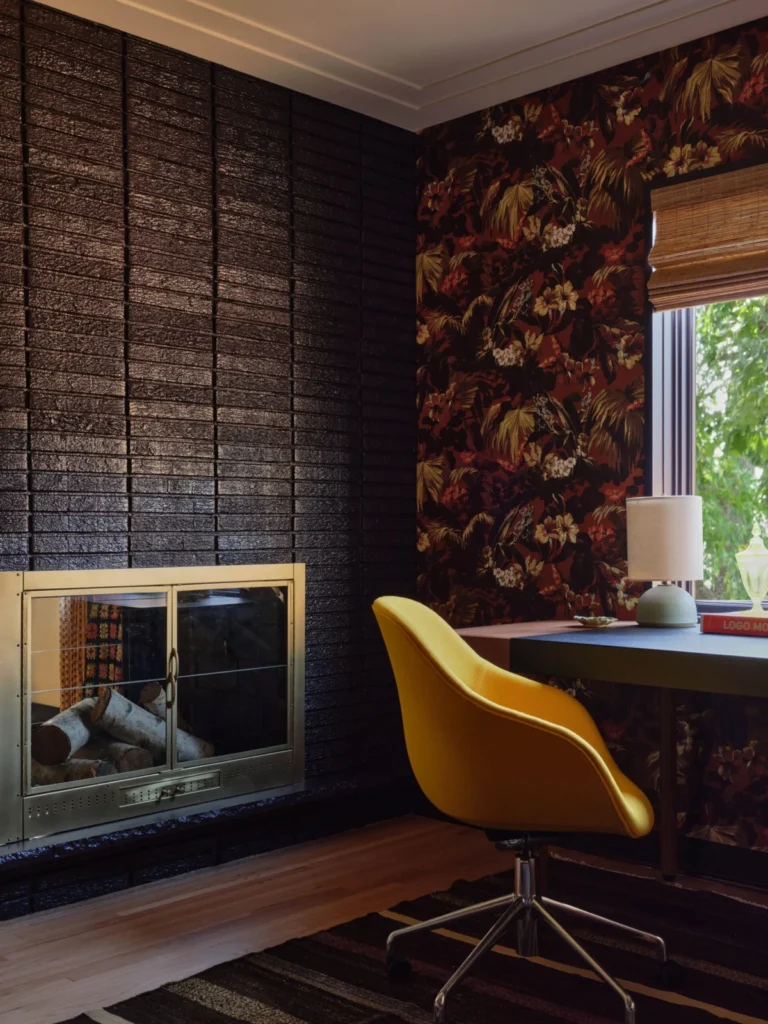

The transition to permanent remote and hybrid work models has fundamentally altered the domestic landscape, turning living rooms, guest bedrooms, and quiet nooks into full-scale corporate environments. As professionals spend an increasing number of hours tethered to their screens, the sedentary nature of traditional desk work has moved from a minor inconvenience to a significant health concern. Prolonged sitting is linked to increased risks of cardiovascular disease, metabolic syndrome, and chronic musculoskeletal pain. In response, the market for height-adjustable desks—once relegated to specialized medical or industrial settings—has evolved into a robust sector of high-end home furniture design. Today, the modern standing desk is no longer defined by bulky, utilitarian frames and exposed mechanics; it has become a marriage of ergonomic necessity and interior design sophistication.

The Evolution of the Ergonomic Workspace
The history of the standing desk traces back several centuries, with historical figures such as Leonardo da Vinci, Winston Churchill, and Ernest Hemingway reportedly favoring the practice of working while standing to boost energy levels and focus. However, it was not until the early 21st century, with the rise of the "sitting is the new smoking" public health narrative, that the concept gained widespread commercial traction.
By the mid-2010s, manufacturers began integrating electric linear actuators—the motors responsible for silent, smooth height transitions—into residential furniture. The initial wave of products focused almost exclusively on mechanical function, often resulting in "clunky" aesthetics that clashed with residential decor. The last three years, however, have seen a pivot toward "furniture-forward" designs. Contemporary models now prioritize concealed cable management, integrated storage solutions, and high-quality materials such as solid woods, leather inlays, and lacquered finishes, allowing the workspace to blend seamlessly into the home aesthetic.
.jpeg)
Data and Ergonomic Implications
The shift toward standing desks is supported by growing data regarding workplace wellness. According to research from the American Medical Association, prolonged sedentary behavior is a major contributor to lower back pain and neck strain. Studies published in the Journal of Occupational and Environmental Medicine indicate that workers using sit-to-stand workstations reported a 54% reduction in upper back and neck pain after just four weeks of consistent use. Furthermore, observational data suggests that alternating between sitting and standing throughout an eight-hour shift can improve blood flow and caloric expenditure by approximately 10% to 20% compared to remaining seated, providing a marginal but cumulatively significant impact on metabolic health.
Top Selections for the Modern Professional
Selecting an appropriate desk requires balancing spatial constraints, design preferences, and functional needs. The current market offers a spectrum of solutions ranging from compact, manual-lift tables to sophisticated, motorized executive pieces.
.jpeg)
The Branch Duo: Value and Minimalist Utility
The Branch Duo has established itself as a benchmark for home office value. Its appeal lies in its "Scandi-inspired" minimalism. By incorporating a suite of modular accessories—including felt-lined drawers and integrated cable-management trays—it addresses the primary challenge of remote work: clutter. Its pricing strategy positions it as an entry point for those seeking high-quality mechanics without the premium cost associated with luxury designer furniture.
Herman Miller Spout: The Elevated Aesthetic
For those viewing the desk as a long-term architectural investment, the Herman Miller Spout represents a departure from the standard "T-leg" base. By utilizing a four-leg configuration, the table achieves the visual stability of a traditional dining or writing desk. The ability to customize desktop materials—selecting from walnut, ash, or laminate—allows it to transcend the "office equipment" categorization, making it suitable for high-traffic living areas where the office must occasionally disappear into the decor.
.jpeg)
Herman Miller Passport: The Compact Solution
Spatial efficiency remains the most significant barrier to home office upgrades. The Herman Miller Passport Work Table offers a solution for urban environments or multipurpose rooms. With a depth of 12 to 18 inches and a single-column, caster-based design, it facilitates mobility. It acknowledges that not every user requires a full-sized desk; some merely need a dedicated, ergonomic surface that can be relocated depending on the day’s requirements.
Geiger New Canaan: The Luxury Splurge
At the high end of the market, the Geiger New Canaan Sit-to-Stand Desk demonstrates how far the category has progressed. Utilizing premium materials like Bristol leather and fine wood veneers, it conceals its motorized components entirely. For the executive or design-conscious professional, the New Canaan functions as a piece of fine cabinetry that happens to adjust for ergonomics, proving that health-conscious office equipment need not sacrifice luxury.
.gif)
Rove Concepts Athena: Sculptural Minimalism
The Athena desk by Rove Concepts represents a shift toward "sculptural" office design. Its fluted, alabaster-lacquered base is designed to serve as a visual focal point. During product testing, users noted the near-silent operation of its motors, an important consideration for those working in open-plan homes where noise levels are a critical factor for productivity and family harmony.
West Elm Midcentury Adjustable: The Design Classic
West Elm’s approach bridges the gap between traditional aesthetics and modern requirements. Their midcentury-inspired model features a manual lift-top, removing the need for electrical proximity—a major advantage for those working in rooms with limited outlet availability. Its tapered legs and concealed compartments provide a classic look that fits well within a bedroom or living room aesthetic.

BDI Luma Lift: Simple Sophistication
The BDI Luma Lift focuses on the essentials: a slender profile and a satin-etched glass top. It appeals to the minimalist who requires a distraction-free environment. By integrating the control panel and cable management into the structure of the frame, BDI provides a "turnkey" solution for those who prioritize a clean, uncluttered visual field.
Article Torme: Scandinavian Comfort
The Article Torme model emphasizes soft, rounded edges and a natural white oak finish. Its focus is on "living room readiness." With soft-close compartments and dedicated cord cutouts, it ensures that when the workday concludes, the desk can be cleared, effectively hiding the evidence of the nine-to-five and allowing the room to return to its residential function.

Burrow Copilot: Optimized for Technology
Finally, the Burrow Copilot caters to the "power user." By incorporating a specific mounting point for monitor arms, it solves the stability issue that often plagues standard standing desks when heavy dual-monitor setups are attached. It strikes a balance between tech-heavy requirements and the warm, wood-based design trends currently dominating the furniture market.
Broader Impact and Industry Trends
The proliferation of these products suggests that the "home office" is now a permanent fixture in the real estate and interior design markets. Furniture manufacturers are increasingly collaborating with industrial designers to ensure that office products meet the same aesthetic standards as high-end living room or dining room furniture.
.jpeg)
The implication for the average professional is significant. As the boundaries between work and home life remain blurred, the ability to create a "contained" office experience—where equipment is ergonomic but not visually intrusive—has become a mental health necessity. Future trends in this sector are expected to include further integration of IoT (Internet of Things) technology, such as desks that track activity levels and automatically suggest standing intervals, and the continued use of sustainable, recycled materials to meet the demands of environmentally conscious consumers.
Ultimately, the rise of the sleek, height-adjustable desk signifies a maturation of the remote work era. It reflects a shift from temporary, stop-gap solutions to long-term investment in a functional, healthy, and aesthetically pleasing home environment. Whether for a small apartment nook or a dedicated study, the modern standing desk has proven that utility and design are no longer mutually exclusive.