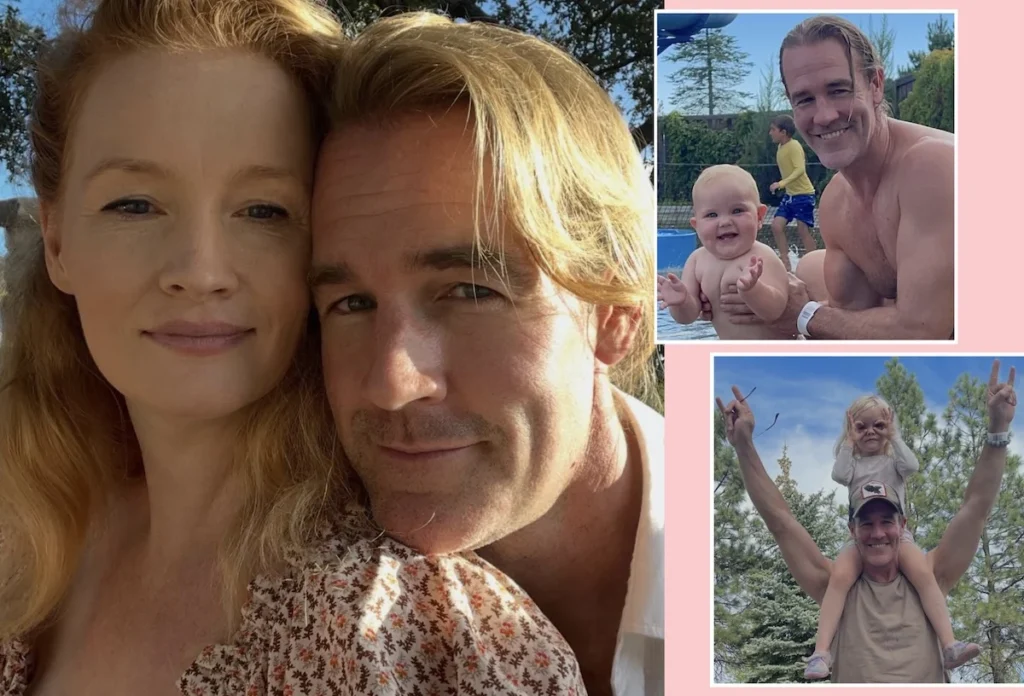

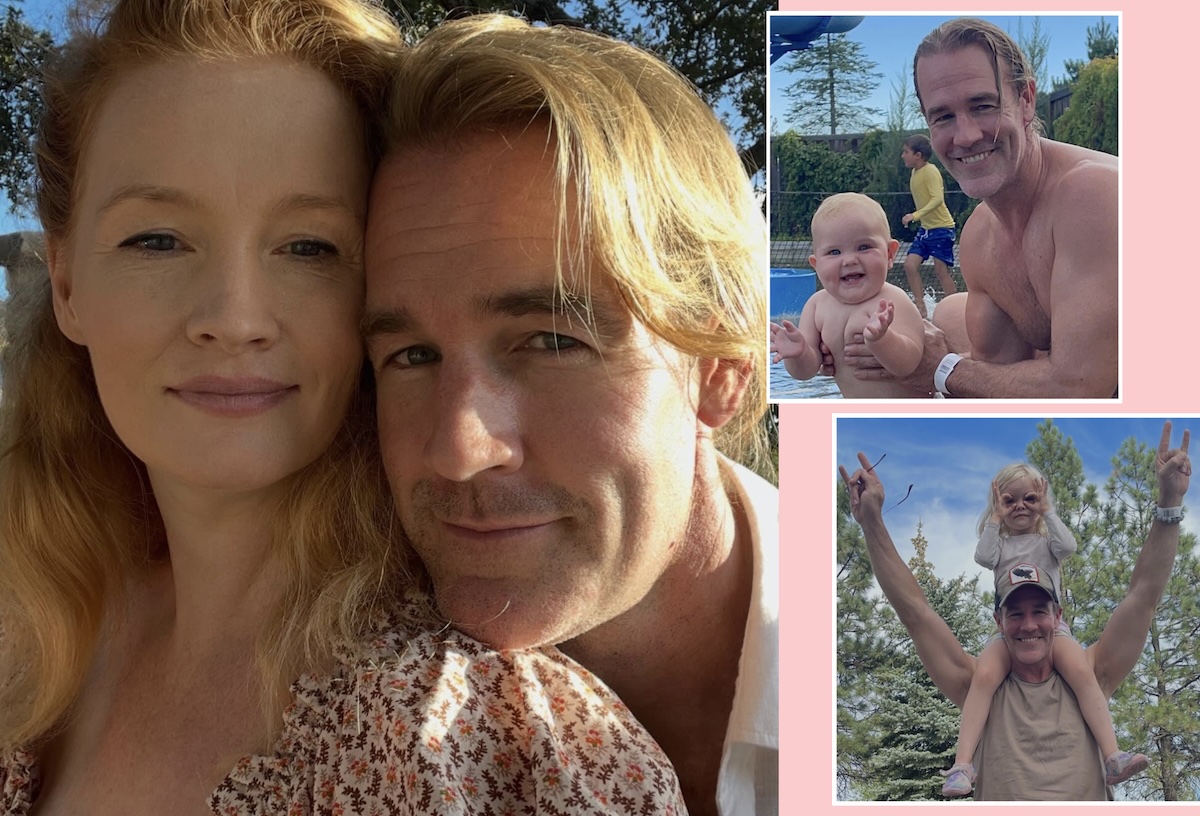
Kimberly Van Der Beek marked the first Father’s Day since the passing of her beloved husband, actor James Van Der Beek, with a deeply moving tribute shared on Instagram, resonating profoundly with fans and the wider public. The post, published on Father’s Day, articulated the raw grief and enduring love felt by the family, while simultaneously celebrating James’s indelible legacy as a father and partner. This public expression of sorrow and remembrance underscored the immense impact of the actor’s death earlier this year and offered a poignant glimpse into the family’s ongoing journey through loss.
The emotional message, shared via Kimberly’s personal Instagram account, quickly garnered widespread attention, drawing thousands of messages of support and empathy from followers around the globe. In her heartfelt caption, Kimberly reflected on the unparalleled qualities of her late husband, stating, "Missing you so much and thinking of how magnificent you were in every single way today. And somehow, from the other side? You continue to parent. You’re a marvel." This powerful declaration not only conveyed a profound sense of personal loss but also highlighted a deep-seated belief in the continued spiritual presence and guidance of James within their family unit. The phrase "you continue to parent from the other side" particularly struck a chord, speaking to the enduring influence a parent has on their children and spouse, even after their physical absence.
A Public Glimpse into Private Grief
The decision by public figures like Kimberly Van Der Beek to share such intimate moments of grief on platforms like Instagram offers a complex intersection of private sorrow and public commiseration. In an era where social media often blurs the lines between personal and public life, her post served as a powerful testament to the universal experience of loss. It provided a space for fans, many of whom grew up watching James Van Der Beek on screen, to collectively mourn and offer virtual solace. The comments section beneath her post became a digital memorial, filled with shared memories of the actor, expressions of sympathy for Kimberly and her children, and affirmations of the strength and resilience of the family. This collective outpouring of support underscores the unique bond that often forms between the public and beloved entertainers, extending beyond professional admiration into a shared human experience of joy and sorrow.
For many, James Van Der Beek was more than just an actor; he was a cultural touchstone, particularly for those who followed his career from his breakout role. His public persona evolved over the years, from a teen heartthrob to a devoted family man, a transition that resonated deeply with his audience. Kimberly’s tribute, therefore, did not just mourn a private individual but also a figure beloved by millions, making the shared grief palpable across online communities. The engagement statistics on such posts typically run into hundreds of thousands of likes and thousands of comments, demonstrating the powerful collective response to celebrity loss and public grieving. This communal aspect of grief, facilitated by social media, allows for a broader societal acknowledgment of loss, potentially reducing the isolation often experienced by those in mourning.
James Van Der Beek: A Legacy Beyond the Screen
Born on March 8, 1977, in Cheshire, Connecticut, James Van Der Beek rose to international prominence in the late 1990s as the titular character Dawson Leery in the critically acclaimed teen drama Dawson’s Creek. The series, which ran from 1998 to 2003 on The WB (now The CW), became a cultural phenomenon, defining a generation and establishing Van Der Beek as a household name. His portrayal of the introspective, film-loving teenager grappling with adolescence, friendship, and first love captured the hearts of millions and cemented his place in television history. The show’s distinctive dialogue and focus on emotional depth influenced countless subsequent teen dramas, solidifying its iconic status.
Following Dawson’s Creek, Van Der Beek continued to build a diverse acting career, showcasing his versatility across various genres. He appeared in films such as Varsity Blues (1999), where he played a high school football star, and the controversial dark comedy The Rules of Attraction (2002). On television, he took on memorable roles that often played with his established image, including a fictionalized version of himself in the critically praised sitcom Don’t Trust the B—- in Apartment 23 (2012-2013), and more serious dramatic roles in CSI: Cyber (2015-2016) and the groundbreaking series Pose (2018-2021). Throughout his career, he maintained a reputation for professionalism, versatility, and a genuine connection with his fanbase, consistently evolving as an artist.
Beyond his professional accomplishments, James Van Der Beek was known for his profound commitment to his family. He married Kimberly Brook in August 2010, and together they built a large and loving family, welcoming seven children: Olivia (born 2010), Joshua (born 2012), Annabel (born 2014), Emilia (born 2016), Gwendolyn (born 2018), and their youngest, Jeremiah (born October 2021). Publicly, James often shared glimpses of his family life, portraying himself as a hands-on, dedicated father who cherished every moment with his children. His social media presence frequently featured heartwarming family photos and anecdotes, reinforcing his image as a devoted patriarch who prioritized his family above all else. This public persona as a loving family man made his passing particularly heartbreaking for many, as it felt like the loss of a relatable, admirable figure whose values mirrored those many aspire to.
A Timeline of Loss and Remembrance
The journey of grief for the Van Der Beek family began with James’s diagnosis of colorectal cancer. While the exact date of diagnosis was not publicly disclosed initially, the actor revealed his battle with the disease in late 2024. His announcement sent shockwaves through Hollywood and among his vast fanbase, highlighting the insidious nature of cancer and its ability to affect anyone, regardless of age or public stature. The revelation prompted an outpouring of concern and support from colleagues and fans alike, underscoring the deep affection held for him.
Despite the challenges of his illness, James reportedly maintained a courageous spirit, continuing to advocate for health awareness and cherishing time with his family. Tragically, he succumbed to the disease earlier this year, marking a devastating loss for his loved ones and the entertainment industry. The news of his death prompted an immediate outpouring of tributes from former co-stars, directors, and countless fans, all remembering his talent, kindness, and significant contributions to popular culture. Memorials and statements from figures across the entertainment world attested to his impact both personally and professionally.
In the months following his passing, Kimberly Van Der Beek has periodically shared glimpses into her family’s grieving process, often using her platform to honor James’s memory. Approximately three months after his death, she posted an emotional tribute marking the milestone, reflecting on the difficulty of adapting to life without him and the enduring pain of his absence. This initial post, like the recent Father’s Day message, offered a raw and honest portrayal of enduring sorrow, demonstrating the non-linear and often cyclical nature of grief.
Another notable moment in the public remembrance of James Van Der Beek occurred during the annual Academy Awards ceremony. Fans and critics alike expressed dismay when he, alongside actor Eric Dane, was conspicuously omitted from the Oscars’ "In Memoriam" segment. This oversight sparked considerable debate across social media, with many arguing that Van Der Beek’s significant contributions to film and television, particularly his iconic role in Dawson’s Creek, warranted inclusion. The incident highlighted the complexities of posthumous recognition in Hollywood and the strong emotional connection the public maintains with actors, even after their passing, often feeling a sense of personal stake in their remembrance.
The recent Father’s Day tribute stands as another crucial point in this chronology of remembrance, emphasizing the milestones that bring waves of renewed grief. Holidays and special occasions, which were once opportunities for family celebration, become poignant reminders of absence, often intensifying the emotional impact for those left behind. Kimberly’s decision to share her feelings publicly on such a day offered a powerful, relatable narrative of navigating loss during emotionally charged times, resonating with countless individuals who have experienced similar bereavements.
The Psychology of Public Grieving and Continuing Bonds
Kimberly Van Der Beek’s public acts of remembrance offer valuable insight into the psychological processes of grief, particularly the concept of "continuing bonds." Traditionally, grief theories emphasized a process of "detachment" from the deceased, suggesting that healing involved letting go. However, contemporary understanding acknowledges that healthy grieving often involves maintaining a connection with the loved one, integrating their memory into one’s ongoing life. Kimberly’s statement, "You continue to parent from the other side," perfectly encapsulates this idea, suggesting that James’s influence, values, and love continue to guide and shape his family. This isn’t about denying reality, but about finding ways to keep the deceased’s presence alive in a meaningful and healthy way, allowing their legacy to persist.
For children, this concept is especially vital. Grief experts often advise parents and guardians to help children understand that while a loved one is physically gone, their love, lessons, and spirit can remain a powerful guiding force. Kimberly’s tribute, by emphasizing James’s continued parental role, likely aids her children in processing their loss and maintaining a sense of connection to their father, providing comfort and continuity during a period of immense upheaval. The public nature of her grieving also allows for a broader societal conversation about how individuals and families cope with loss, potentially normalizing grief and reducing the isolation many feel when confronted with such profound sorrow. Studies on grief have shown that individuals who are able to maintain a healthy continuing bond with the deceased often report better long-term adjustment and well-being.
Furthermore, the act of sharing grief on social media, while exposing one’s vulnerability, can also be a source of immense support and validation. The thousands of empathetic comments and shared stories from followers create a virtual community of support, reminding the grieving that they are not alone. This collective empathy can be a powerful balm, helping to mitigate the intense emotional pain associated with bereavement and offering a sense of solidarity that transcends geographical boundaries.
Colorectal Cancer: A Call for Awareness
James Van Der Beek’s battle with colorectal cancer serves as a stark reminder of the prevalence and seriousness of this disease. Colorectal cancer, which affects the colon or rectum, is the third most common cancer diagnosed in both men and women in the United States, excluding skin cancers. It is also the second leading cause of cancer-related deaths. While traditionally associated with older adults, there has been a concerning increase in diagnoses among younger individuals, making awareness and early detection more critical than ever. Data from organizations like the American Cancer Society indicates that incidence rates among adults younger than 50 have risen significantly in recent decades, underscoring a critical shift in the disease’s demographic impact.
According to the American Cancer Society, a significant factor in improving outcomes for colorectal cancer is early diagnosis. When detected at a localized stage, the five-year survival rate is considerably higher, often exceeding 90%. However, if the cancer has spread to distant parts of the body, the survival rate drops dramatically. Symptoms such as changes in bowel habits (diarrhea, constipation, or narrowing of the stool), rectal bleeding or blood in the stool, persistent abdominal discomfort (cramps, gas, or pain), unexplained weight loss, and fatigue should never be ignored, regardless of age. Regular screening, typically recommended starting at age 45 for individuals of average risk, plays a crucial role in preventing the disease or catching it early. Screening methods include colonoscopies, stool-based tests, and sigmoidoscopies. High-profile cases like Van Der Beek’s often serve as powerful catalysts for public health campaigns, prompting individuals to become more proactive about their health and seek medical advice for unusual symptoms, potentially saving countless lives through increased vigilance and early intervention. It is a grim reminder that early detection can be life-saving.
Broader Impact and Implications
Kimberly Van Der Beek’s Father’s Day tribute extends beyond a personal moment of remembrance; it carries broader implications for how society engages with celebrity deaths, public grief, and health awareness. The sustained public interest in James Van Der Beek’s passing and his family’s journey through grief highlights the deep connection that audiences form with performers. It underscores the enduring power of storytelling, both on screen and in real life, to forge bonds and elicit collective emotion, transcending the typical viewer-actor relationship into something more personal and empathetic.
Moreover, such public expressions of grief contribute to a more open dialogue about death and bereavement, topics often stigmatized or avoided in Western societies. By bravely sharing her vulnerability, Kimberly Van Der Beek helps to normalize the grieving process, demonstrating that it is not linear, that milestones can be particularly difficult, and that love persists beyond physical presence. This openness can encourage others to seek support, speak about their losses, and understand that grief is a natural, albeit painful, part of the human experience, rather than a process to be hidden or rushed. It validates the diverse ways in which people grieve and remember.
In conclusion, Kimberly Van Der Beek’s Father’s Day tribute to her late husband, James Van Der Beek, was far more than a simple Instagram post. It was a profound act of remembrance, a testament to enduring love, and a brave public display of private grief. It served as a reminder of James Van Der Beek’s multifaceted legacy as an actor and, crucially, as a devoted father whose impact on his family and fans remains undiminished. As his family continues to navigate their immeasurable loss, their public expressions of love and sorrow resonate widely, fostering empathy, encouraging dialogue about grief, and implicitly raising awareness about serious health conditions like colorectal cancer. The "marvel" of James Van Der Beek, as Kimberly described him, continues to influence from "the other side," through the enduring love of his family and the collective memory of millions. His story, through his family’s continued remembrance, serves as a poignant narrative of human connection, loss, and the enduring power of love.