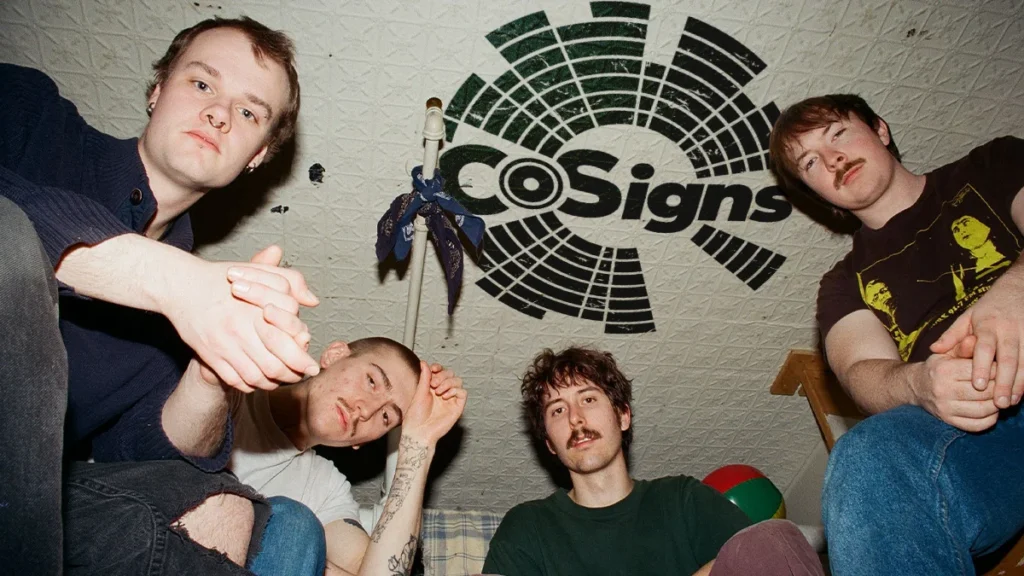

Canadian sludge rock outfit Truck Violence, featuring frontman Karsyn Henderson and guitarist/banjoist Paul Lecours, recently garnered significant attention following the release of their ambitious new album, The weathervane is my body. The duo, currently navigating a pivotal moment in their burgeoning career with a two-night stint at London’s revered underground venue The Windmill, articulated a profound philosophy on artistic intentionality and the perceived complacency within contemporary lyrical craftsmanship. This perspective underpins not only their latest release but also their entire collaborative journey, marked by relentless experimentation and a steadfast commitment to their unique sonic identity, a potent blend of sludge metal, experimental hardcore, and unexpected banjo-driven folk textures. Their recent interview for Consequence’s recurring CoSign feature offered an insightful glimpse into the meticulous effort and unconventional vision driving their artistic endeavors.
A Deep Dive into Lyrical Intent and Artistic Integrity
At the core of Truck Violence’s artistic ethos lies a provocative stance on lyricism. Henderson, known for his directness, asserted during the interview, “I think a lot of lyricists are quite shit and lazy. It’s not their fault that they’re shit and they’re lazy… the culture is shit and lazy.” This statement is not merely a critique but a foundational principle guiding the band’s approach to songwriting. In an era where music production often prioritizes immediate gratification or formulaic structures, Henderson’s comments challenge artists to reconsider the depth and purpose of their lyrical contributions. He implies a broader cultural issue where the value placed on thoughtful, intricate lyrical work may have diminished, leading to a proliferation of superficial or uninspired content. For Truck Violence, lyrics are not merely placeholders for vocal melodies; they are an integral component of the artistic statement, demanding the same level of rigorous effort and creative ambition as the instrumental arrangements. This philosophy aligns with a lineage of artists who view words as powerful instruments, capable of conveying complex narratives, challenging perspectives, or evoking profound emotional responses, rather than serving as mere rhythmic accompaniment.
The Genesis of Truck Violence: A Chronicle of Outsiders and Experimentation
The collaborative partnership between Karsyn Henderson and Paul Lecours is rooted in a shared sense of alienation and a fervent desire for creative expression, tracing back to their teenage years in a small Alberta town. Lecours, having moved from Halifax, Nova Scotia, found common ground with Henderson in an environment that offered limited outlets for their niche interests. Henderson vividly recalled the isolating nature of their small community: “My class was like eight or nine people…. So, if your interests are slightly more niche than what is going on with your couple of buds, then you can become alienated quite quickly.” This early experience of being outsiders fueled their shared angst and propelled them into a relentless pursuit of music.
Chronology of a Creative Partnership:
- Teenage Years (Early 2010s): Lecours moves to Henderson’s small Alberta town from Halifax, Nova Scotia. They quickly form an "unseverable" bond over shared musical interests and a desire for creative output in a scene-less environment.
- DIY Foundations: Driven by a lack of local infrastructure, the duo dives into do-it-yourself (DIY) projects, including running a local studio and operating a radio station. This hands-on experience in production and dissemination lays the groundwork for their independent spirit.
- Intense Musical Immersion: Their formative years were characterized by extreme dedication to music. Henderson elaborated, “We made music together all the time, like seven days a week, constantly practicing and playing. That’s all we did. We would go to the lake at 5:00 in the morning to write music to see if it would change the way that we wrote. We would go and record samples with overhead microphones of birds singing and things like that, just trying to experiment together, because there was no scene where we were.” This period of intense, almost obsessive, experimentation honed their skills and broadened their sonic palette.
- Early Genre Explorations: Their ambition led them through diverse musical landscapes, including an "indie death metal band" and an absurdist hip-hop/noiserap project known as ‘no cru5t.’ These ventures, though distinct from Truck Violence’s current sound, demonstrate their willingness to transcend genre boundaries and explore unconventional fusions from the outset.
- Relocation to Montréal (Mid-2010s): As seventeen-year-olds, Henderson and Lecours moved to Montréal, a vibrant cultural hub known for its diverse and experimental music scene. This move provided the fertile ground necessary for their artistic evolution.
- Formation of Truck Violence: In Montréal, their deep roots in hardcore music and the rural folk tradition—particularly the banjo’s influence—began to synthesize, leading to the official formation of Truck Violence.
- Expanding the Lineup: The duo eventually connected with bassist Chris Clegg and percussionist Thomas Hart, solidifying the band’s lineup and allowing for a fuller realization of their complex sound.
- Integration into the Montréal Scene: By the time of their debut, the band had become ingrained in the city’s thriving independent music community. Lecours recalled an early encounter with the now-prominent band Angine de Poitrine, underscoring their presence within a scene known for fostering emerging talent.
- Debut Album Violence (2024): Their promising debut established Truck Violence as a force to be reckoned with, showcasing their unique blend of aggressive and experimental sounds.
- Release of The weathervane is my body (July 2026): The widely anticipated follow-up album, which has been met with critical intrigue, further cements their reputation for innovative and challenging music.
- The Windmill Residency (July 2026): Immediately following the album’s release, the band embarked on a two-night engagement at The Windmill in Brixton, London, a venue celebrated for its role in launching significant independent acts.
The Sonic Architecture of The weathervane is my body
Truck Violence’s latest album, The weathervane is my body, represents a culmination of their diverse influences and relentless experimentation. The record exemplifies their signature blend of sludge metal, experimental hardcore, and banjo-driven folk, creating a sound that is both punishingly heavy and surprisingly intricate.
Musical Characteristics and Influences:
- Sludge Metal Core: At its foundation, Truck Violence employs the hallmarks of sludge metal: often slow, grinding tempos, heavily distorted guitar riffs, and a pervasive sense of dread or oppression. This subgenre, which emerged from the fusion of doom metal and hardcore punk, typically features guttural or shouted vocals and a raw, abrasive production style. Bands like Eyehategod, The Melvins, and Neurosis are often cited as pioneers, and Truck Violence taps into this lineage of uncompromising sonic weight.
- Experimental Hardcore Elements: Beyond sludge, the band incorporates elements of experimental hardcore, characterized by unconventional song structures, dissonant harmonies, abrupt tempo changes, and a willingness to break traditional genre norms. This injects a volatile, unpredictable energy into their music, preventing it from settling into predictable patterns.
- Banjo-Driven Folk: Perhaps the most striking and distinctive element of Truck Violence’s sound is the integration of banjo. This instrument, traditionally associated with American folk, bluegrass, and Appalachian music, introduces an unexpected layer of texture and melodic possibility. The banjo’s typically brighter, percussive tone provides a stark contrast to the thick, distorted guitars and aggressive vocals, creating moments of eerie beauty or unsettling dissonance. This fusion is not merely a novelty; it is skillfully woven into the fabric of their compositions, suggesting influences from diverse musical traditions, perhaps even drawing from Canadian folk roots, which often encompass darker, more narrative themes than their American counterparts.
- Intentionality in Composition: The album’s cacophonous tones and guttural shrieks, exemplified by song titles such as “My dog would fuck the air,” are not arbitrary. They are products of "intentionality, ambition, and — perhaps above all — careful effort." This speaks to their meticulous approach, where every element, from the heaviest riff to the most subtle banjo arpeggio, serves a deliberate artistic purpose. The lyrical content, despite its often challenging or provocative nature, is crafted to reflect their critical perspective on society and artistic laziness.
The critical reception of The weathervane is my body has highlighted its audacious genre fusion and the band’s unwavering commitment to their unique vision. Reviewers have noted the album’s ability to seamlessly transition between crushing heaviness and delicate, almost melancholic, folk passages, solidifying Truck Violence’s position as innovators within the broader landscape of extreme and experimental music. The album is available on vinyl and CD, catering to listeners who appreciate physical media and the immersive experience it offers.
The Windmill: A Crucible for Emerging Talent
Truck Violence’s engagement at The Windmill in Brixton is more than just a tour stop; it represents a significant validation of their artistic path. The Windmill holds a legendary status in the independent music circuit, particularly in the UK, as a vital incubator for boundary-pushing artists.
Significance of The Windmill:
- Historic Launchpad: The venue is renowned for having provided early platforms for now-prominent acts like black midi and Black Country, New Road. These bands, known for their experimental and genre-defying approaches, echo Truck Violence’s own artistic spirit. Playing at The Windmill places Truck Violence within a lineage of artists celebrated for their originality and refusal to conform.
- Unyielding Ethos: Lecours emphasized the venue’s integrity: “[The promoter] Tim was even saying his whole ethos is still to book ‘nobodies,’ because that’s how black midi started. So, respect to them; They haven’t sold out at all.” This commitment to supporting emerging, unconventional talent, rather than established acts, resonates deeply with Truck Violence’s DIY roots and their dedication to artistic authenticity. It signifies a shared philosophy of nurturing groundbreaking music outside of mainstream commercial pressures.
- Mutual Respect: While Truck Violence’s sound—a mix of sludge metal, experimental hardcore, and folk—doesn’t directly mirror black midi’s post-punk and avant-garde jazz inflections, the underlying values are shared: intentionality, ambition, and careful effort. This mutual respect for artistic rigor and independent spirit strengthens the connection between the band and the venue.
Broader Impact and Implications
Truck Violence’s journey and their latest release carry several significant implications for the contemporary music landscape.
Implications for Genre Evolution: Their audacious blend of sludge metal, experimental hardcore, and banjo-driven folk pushes the boundaries of existing genres. This cross-pollination suggests a growing trend in music where artists are increasingly unafraid to dismantle conventional categories, creating truly unique sonic tapestries. This kind of genre fusion often leads to the development of new subgenres and expands the expressive potential of heavy music.
The Power of DIY and Independent Venues: The band’s origins in a "scene-less" Alberta town, their early DIY projects, and their current engagement at The Windmill underscore the enduring importance of independent artists and venues. In an industry increasingly dominated by large corporations and digital platforms, these grassroots efforts provide essential spaces for artistic development, experimentation, and authentic connection between artists and audiences. The Windmill’s ethos of booking "nobodies" serves as a powerful reminder that innovation often springs from the periphery, not the mainstream.
A Call for Lyrical Excellence: Henderson’s critique of "lazy" lyricism, while provocative, serves as a crucial commentary on artistic standards. It highlights a recurring debate within creative fields about the balance between accessibility and artistic depth. By emphasizing intentionality and careful effort, Truck Violence advocates for a more rigorous approach to songwriting, potentially inspiring other artists to elevate the textual component of their work. This challenge to complacency can foster a greater appreciation for the craft of lyric writing and encourage more thoughtful engagement from listeners.
The Canadian Contribution to Extreme Music: Truck Violence’s success, following their relocation to Montréal, also spotlights Canada’s vibrant and diverse extreme music scene. Montréal, in particular, has a reputation for fostering experimental and heavy acts, providing a supportive environment for bands that defy easy categorization. Their ability to garner international attention, playing venues like The Windmill, positions them as significant contributors to the global landscape of heavy and experimental music.
In conclusion, Truck Violence is more than just a band; they are a testament to the power of unwavering artistic vision, meticulous effort, and a willingness to challenge established norms. From their humble, angst-fueled beginnings in rural Alberta to their current moment of critical acclaim and international recognition, Karsyn Henderson and Paul Lecours, alongside Chris Clegg and Thomas Hart, have carved out a distinct and vital space in the modern music scene. Their new album, The weathervane is my body, stands as a bold declaration of their commitment to intentional artistry, proving that true innovation still thrives in the hands of those who dare to put in the work.