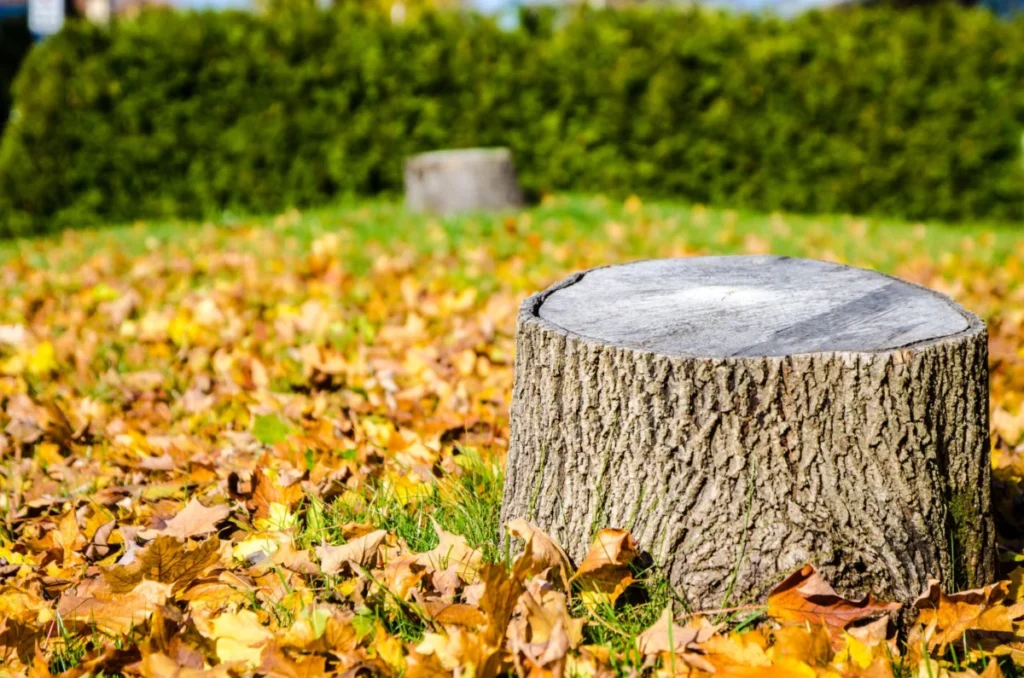

Removing a tree is often viewed as the final step in addressing an overgrown or hazardous landscape, but professional arborists maintain that leaving a stump behind initiates a new phase of property maintenance. While the removal of the tree’s canopy eliminates the immediate risk of falling limbs damaging roofs, vehicles, or power lines, the residual stump—and the extensive, dormant root system beneath it—can present significant structural and ecological challenges to a property.
The decision to address a stump is not merely aesthetic; it is a critical component of preventative property maintenance. An unattended stump serves as a biological bridge for invasive species, potentially harboring wood-boring insects, termites, and fungal pathogens that can migrate to healthy trees or even infiltrate the foundations of nearby structures. For homeowners and property managers, understanding the biology of the stump and the various methodologies for its eradication is essential for long-term site integrity.
The Biological and Structural Implications of Retained Stumps
When a tree is felled, the root system does not immediately expire. Depending on the species, the roots may remain active for months or even years, continuing to seek out moisture and nutrients. In urban and suburban settings, this creates a persistent risk to subterranean infrastructure. Root systems can extend two to three times the width of the original tree canopy. These roots are naturally drawn to the moisture found in clay or PVC pipes, often infiltrating through microscopic joints or cracks. Once inside, the roots expand, exerting internal pressure that can lead to pipe collapse, sewage backups, and expensive foundation repairs.

Furthermore, the decomposition process of a large stump alters the soil chemistry and biological composition of the immediate area. As the wood decays, it provides a substrate for wood-decay fungi, which can subsequently infect the root systems of neighboring plants, leading to a ripple effect of decline across a landscape. Pests such as carpenter ants and termites, attracted to the softening wood, often establish colonies in the stump before expanding their foraging range to nearby structures, potentially posing a risk to home timber.
Chronology and Decision-Making: Assessing the Removal Process
The process of managing a stump should begin with a structural assessment. Arborists categorize stumps based on their diameter at the cut surface, with small stumps measuring under 12 inches and large specimens exceeding 30 inches. The height of the stump and the presence of exposed surface roots are also primary variables that dictate the feasibility of removal.

For property owners, the timeline for removal is a primary factor in selecting a method. High-intensity methods like mechanical grinding offer immediate results, while biological or chemical degradation can take months. The following chronology outlines the standard progression of a successful stump management project:
- Initial Assessment (Days 1–3): Identify the diameter, species, and proximity to utility lines. Calling local utility locating services is a mandatory prerequisite to any excavation or drilling.
- Method Selection (Day 4): Determine the best approach based on the scale of the stump and the urgency of the site reclamation.
- Active Removal or Treatment (Day 5–7): Execution of the chosen method, whether it involves professional-grade grinding or the application of herbicides or desiccant agents.
- Post-Removal Stabilization (Weeks 2–8): Filling voids with organic material or soil to prevent ground subsidence.
Mechanical Removal: The Efficiency of Stump Grinding
The most rapid and effective method for total removal is the use of a professional stump grinder. This equipment employs a high-speed, tungsten-carbide-tipped cutting wheel to mechanically shred the wood into mulch.

The primary advantage of grinding is the depth of the removal, which can typically reach 6 to 12 inches below grade, effectively severing the primary root plate and preventing future regrowth. From a financial perspective, this is the most significant investment, with professional services often costing between $300 and $500, or rental units costing upward of $200 per day. While expensive, it is the standard for construction sites or areas where the owner intends to install hardscaping or new planting beds immediately.
Chemical and Biological Management: A Gradual Approach
For those who prioritize cost-efficiency over speed, chemical or organic treatments are often utilized. This process requires drilling a series of deep holes—at least 8 to 10 inches—into the stump. These holes act as vessels for chemical herbicides, such as potassium nitrate or triclopyr, or natural desiccants like high-concentration rock or Epsom salts.

The addition of water to these substances facilitates deep penetration into the xylem and phloem, accelerating the cellular death of the root system. Covering the stump with an opaque, waterproof tarp is critical; this keeps the wood moist while preventing rainwater from diluting the active agents, and it traps heat, which encourages the growth of beneficial bacteria that aid in the natural decomposition process. While this method is significantly less invasive than mechanical excavation, it requires a commitment of 6 to 12 months for the stump to become sufficiently brittle for manual removal with a mattock or axe.
The Risks of Thermal Removal
Fire is occasionally employed to eliminate stumps, particularly in rural or isolated areas where equipment access is limited. However, this method carries the highest risk profile. Professionals emphasize that internal burning requires a constant oxygen supply and a controlled environment.

The process involves creating a chimney effect by drilling a large central hole and connecting it with smaller lateral air vents. While effective at reducing the stump to ash, the risk of fire spreading to underground peat, root systems, or nearby vegetation is substantial. Consequently, many municipal jurisdictions prohibit open burning for stump removal, and it should only be considered under the guidance of local fire safety regulations.
Official Guidelines and Safety Standards
Industry experts, including landscape designers and arborists, emphasize that personal safety is the most critical element of any removal project. The "brute-force" method—using a vehicle and chain to pull a stump—is strictly discouraged due to the potential for high-tension failure, which can cause catastrophic damage to vehicles and pose a fatal threat to bystanders.

Sal Bracale of Moon Valley Nurseries notes that proper Personal Protective Equipment (PPE) is non-negotiable. Whether operating a chainsaw to cut the stump to grade or using a mechanical grinder, the risk of "kickback" from hitting buried rocks or debris is a common cause of injury. "Before any equipment is turned on, the site must be cleared of loose debris, and the operator must be fully aware of the proximity of all subsurface utilities," Bracale states.
Implications of Botanical Regrowth
A common misconception is that a cut stump is inert. Species such as oak, willow, maple, and poplar are notorious for their ability to sprout new growth from the stump or the root flare, a process known as coppicing. If left untreated, these species can regenerate, effectively negating the effort of the initial tree removal. Conversely, most conifers lack the dormant buds required to resprout from old wood, making them significantly easier to manage after the tree is felled.

Landscape Integration: The Alternative to Removal
If a stump does not pose a risk to utilities and is not an obstacle to daily property usage, total removal may not be the most sustainable option. Landscape architects often suggest "repurposing" the stump. By incorporating the stump into a garden bed, it can serve as a natural focal point or a base for container plants. Layering moss, ferns, or flowering perennials around the base of the stump can create a "woodland" aesthetic that adds depth to the garden while avoiding the environmental and financial costs of total extraction.
Ultimately, the choice between removal and integration rests on the specific site requirements. If the stump is within three meters of a drainage line, as suggested by plumbing professionals, full removal is the only prudent course of action to avoid long-term structural failure. For all other instances, property owners are encouraged to weigh the costs of labor and equipment against the potential long-term benefits of a clean, cleared, and professionally managed landscape.