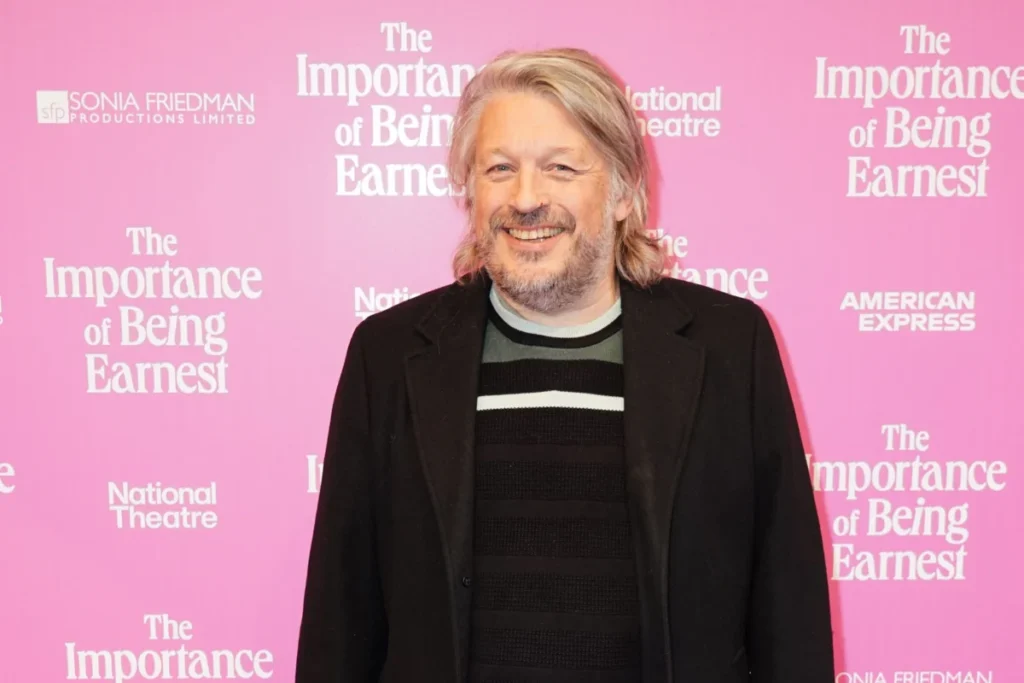

Veteran comedian Richard Herring, 58, has publicly disclosed that he has been diagnosed with hairy cell leukaemia (HCL), a rare form of blood cancer. Herring shared the news with his audience via a candid Substack blog post, characteristically blending seriousness with his signature wit. This marks the second significant cancer diagnosis for the Taskmaster star, who previously announced he had "defeated" testicular cancer almost five years ago. Despite the gravity of the situation, Herring maintains a remarkably pragmatic and even humorous outlook, stating he is "not too worried or upset" but conceded he is "not delighted to have had two cancers before the age of 60."
Richard Herring’s Candid Disclosure and Perspective
Herring’s announcement, made through his popular Substack platform, offered his followers an intimate look into his latest health challenge. He described the diagnosis with his typical self-deprecating humour, noting, "I have blood cancer. And God is determined to make sure I get the funniest cancers possible and this one is called hairy cell leukaemia (HCL)." While acknowledging the "bad news" that the condition is incurable, he quickly followed with the reassuring "good news" that "it’s entirely treatable and will not kill me." This balanced perspective, acknowledging both the seriousness and the manageable nature of his condition, is a hallmark of Herring’s approach to personal revelations. He also quipped about the timing, expressing mock annoyance that he couldn’t immediately leverage this new experience for another show or book so soon after his previous cancer journey.
The comedian’s transparency is not new; he has often incorporated his life experiences, including his previous battle with testicular cancer, into his stand-up routines and podcast discussions. This latest disclosure continues that tradition, allowing his audience to connect with him on a deeply personal level while also raising awareness about a lesser-known condition. His ability to find levity in challenging circumstances serves not only as a coping mechanism for himself but also as a source of comfort and relatability for his fans.
Understanding Hairy Cell Leukaemia (HCL)
Hairy cell leukaemia (HCL) is a rare, slow-growing cancer of the blood and bone marrow. As Herring himself noted, its distinctive name comes from the "hair-like outgrowths" that appear on the surface of the abnormal white blood cells (B lymphocytes) when viewed under a microscope. According to Cancer Research UK, HCL accounts for approximately 2% of all leukaemias, making it an uncommon diagnosis. It typically affects middle-aged and older adults, with a median age of diagnosis around 55 years, aligning with Herring’s age. Men are affected more frequently than women, with a male-to-female ratio of about 4:1.
The disease often progresses slowly, and in many cases, patients may not experience significant symptoms in the early stages, as was the case for Herring. He revealed that the blood cancer had been "bubbling under for a few years," with doctors first detecting a few of the characteristic cells in his bone marrow about 12 years ago. Initially, the condition remained stable, leading doctors to believe it might not progress further, a period during which Herring admitted he had "sort of forgotten about it to be honest."

Common symptoms, when they do appear, are related to the accumulation of abnormal cells in the bone marrow and spleen. These can include fatigue, weakness, recurrent infections due to a low white blood cell count (neutropenia), easy bruising or bleeding from a low platelet count (thrombocytopenia), and anaemia. An enlarged spleen, which can cause abdominal discomfort or a feeling of fullness, is also a frequent finding.
While HCL is considered incurable, it is highly treatable, often achieving long-lasting remissions. The primary treatment often involves chemotherapy agents such as cladribine or pentostatin, which are highly effective at eradicating the hairy cells and restoring normal blood counts. In some cases, biological therapies like rituximab may be used, particularly for patients who relapse or are resistant to standard chemotherapy. These treatments typically lead to complete remissions that can last for many years, allowing patients to live full and active lives. Herring’s statement that the condition "will not kill me" underscores the excellent prognosis associated with modern HCL treatments.
A History of Resilience: Previous Cancer Battle
Herring’s current diagnosis follows a previous battle with testicular cancer, which he publicly disclosed and "defeated" nearly five years ago. His journey through that illness was also shared with characteristic frankness, inspiring many and contributing to greater awareness of men’s health issues. He even created a show, "Oh Frig, I’m 50!" and a subsequent book, which explored his experiences with testicular cancer, ageing, and mortality through a comedic lens. His ability to transform deeply personal and challenging experiences into engaging and thought-provoking material is a testament to his unique comedic style.
The comedian explicitly stated that his hairy cell leukaemia is "not linked to the testicular cancer," dismissing any direct causal connection between the two conditions. He humorously attributed his dual diagnoses to a higher power with a peculiar sense of humour, remarking, "Someone up there just doesn’t like me. But they don’t hate me that much. So keep giving me the flimsiest and easiest to live with and funniest named cancers available." This reflects his ongoing philosophy of confronting adversity with a smile and a sharp observation, providing a sense of comfort and normalcy to what could otherwise be overwhelming news. His repeated encounters with cancer, while undoubtedly challenging, have solidified his public image as a resilient and relatable figure.
The NHS and Healthcare System: A Dual Perspective
In sharing his treatment journey, Richard Herring offered a nuanced perspective on the UK’s National Health Service (NHS). Accompanied by his wife, fellow comedian Catie Wilkins, Herring began his treatment this week, receiving his first "jab of essentially chemo." He expressed profound "admiration" for the dedicated staff and the quality of care provided, particularly the meticulous attention to detail in ensuring correct procedures and patient identification. This praise resonates with the widespread public appreciation for the NHS’s core mission and the commitment of its healthcare professionals.
However, Herring also voiced "bewilderment" at what he perceived as the "inefficiency" within the system. He noted the disparity between the "dozens of patients and a handful of staff," suggesting areas where operational improvements could be made. While acknowledging his gratitude for "free cancer treatment," he highlighted that there "seem lots of ways to make the NHS a bit more efficient if only someone would invest properly in the thing." This observation taps into a broader national debate about the persistent underfunding and resource strain faced by the NHS, which often leads to long waiting times and operational bottlenecks.

Herring’s comments are particularly pertinent in the current climate, where the NHS continues to grapple with the aftermath of the pandemic, staffing shortages, and increasing demand. His plea for proper investment, rather than the "being sold off to Nigel Farage’s mates" (a jab at proponents of privatisation), reflects a common sentiment among UK citizens who value the principle of universal healthcare but recognise the systemic challenges. His experience serves as a microcosm of the larger issues facing one of the world’s most comprehensive public health systems, underscoring both its invaluable service and its pressing need for reform and sustained support.
Richard Herring’s Illustrious Career and Public Persona
Richard Herring has carved out a distinctive and highly respected niche in British comedy over three decades. His career began as one half of the critically acclaimed double act "Lee & Herring" with Stewart Lee, gaining significant popularity in the 1990s with shows like "Fist of Fun" and "This Morning With Richard Not Judy." Their intelligent, often surreal, and always incisive humour laid the groundwork for both comedians’ future successes.
Following the duo’s amicable split, Herring embarked on a prolific solo career, establishing himself as a master of intelligent stand-up comedy. His shows often delve into philosophical themes, social commentary, and deeply personal anecdotes, all delivered with a unique blend of wit, self-deprecation, and occasional controversy. He has toured extensively, earning a loyal following and critical acclaim for his innovative and thought-provoking performances.
In more recent years, Herring has become a pioneer in the podcasting world with "Richard Herring’s Leicester Square Theatre Podcast" (RHLSTP). Launched in 2012, RHLSTP features Herring interviewing a wide array of comedians and public figures, often eliciting remarkably candid and humorous responses. The podcast has garnered numerous awards and a massive listenership, showcasing Herring’s skill as an interviewer and his enduring appeal. His foray into digital media further cemented his reputation as an adaptable and forward-thinking entertainer.
Beyond stand-up and podcasting, Herring has made various television appearances, most notably becoming the champion of "Taskmaster" series 10 in 2020. His victory on the popular game show introduced him to a new generation of fans, demonstrating his quick thinking, problem-solving skills, and endearing competitive spirit. This broader exposure has only amplified his influence and allowed him to reach a more diverse audience. His decision to share his health battles publicly, leveraging his platform, further highlights his commitment to authenticity and connection with his audience.
Reactions, Support, and Broader Implications
The announcement of Richard Herring’s HCL diagnosis is expected to elicit an outpouring of support from his extensive fanbase, fellow comedians, and the broader entertainment industry. His candidness about his health struggles has always resonated deeply with his audience, who appreciate his honesty and resilience. Social media platforms are likely to be filled with messages of encouragement and well wishes, reflecting the affection and respect he commands.

Beyond personal support for Herring, his disclosure has broader implications. By openly discussing hairy cell leukaemia, he inadvertently becomes an advocate for awareness of this rare condition. Public figures sharing their health journeys can significantly impact public understanding, encouraging early diagnosis and reducing the stigma often associated with cancer. This contributes to a more informed public discourse on health and illness, potentially prompting others to seek medical advice for unusual symptoms.
Furthermore, Herring’s observations on the NHS contribute to the ongoing national conversation about healthcare provision. His experience provides a relatable, first-hand account of both the strengths and weaknesses of a public health system under pressure. This narrative can serve as valuable anecdotal evidence in discussions about healthcare policy, funding, and efficiency.
In terms of his career, while Herring has indicated the treatment will not be life-threatening, it may necessitate adjustments to his touring schedule or podcast recordings depending on the side effects and duration of the chemotherapy. However, given his past ability to integrate personal challenges into his creative output, it is highly probable that this experience will, in time, also become a source of new material, further cementing his legacy as a comedian who fearlessly explores the human condition, even its most difficult aspects. His continued positive outlook and determination to live fully, despite facing repeated health challenges, serves as an inspiring example of resilience and the power of humour in adversity.