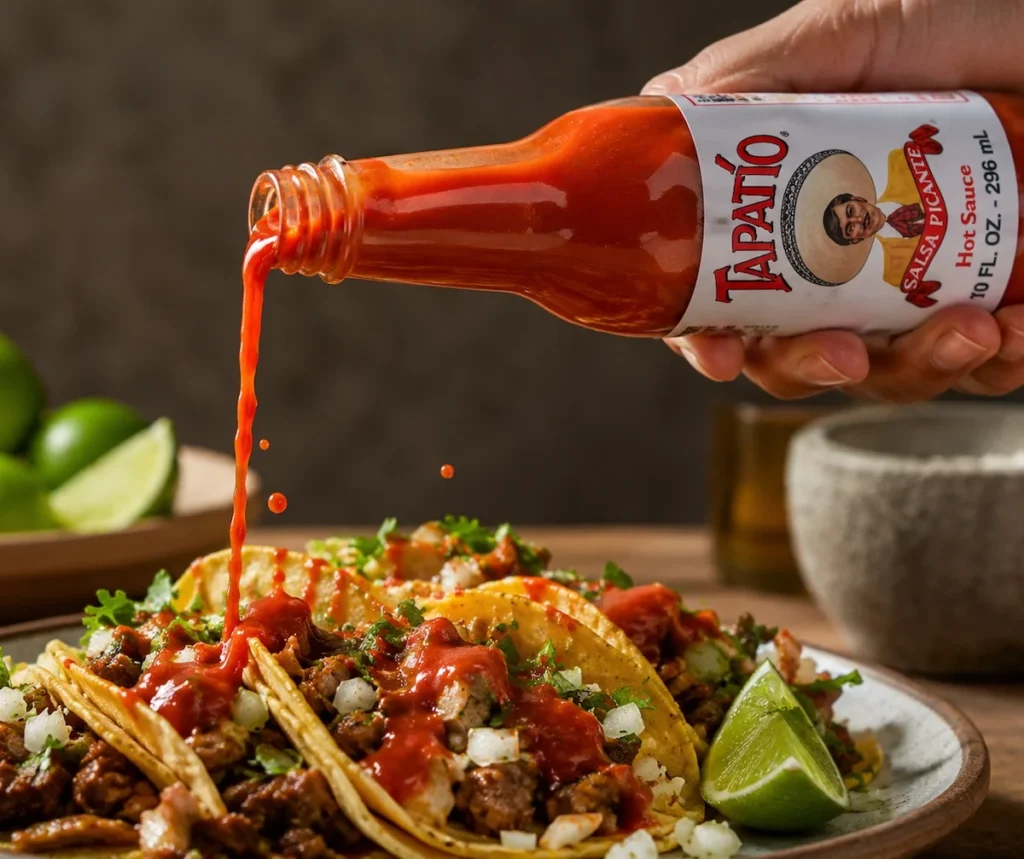

The vibrant world of hot sauce, a culinary staple for millions, is currently abuzz with a development that has sent ripples of concern through its passionate consumer base. Tapatio, the beloved California-born hot sauce brand, synonymous with family legacy and consistent flavor, has officially been acquired by private equity firm Highlander Partners. This strategic move, confirmed by both entities, marks a significant transition for the nearly 50-year-old brand, prompting immediate and widespread reactions online from devotees who are apprehensive about the future of their cherished condiment.
A Legacy of Flavor: The Tapatio Story
Founded in 1971 by the Saavedra family in Maywood, California, Tapatio quickly established itself as a household name, particularly within Mexican-American communities and beyond. Its distinctive label, featuring a charro hat and a fiery pepper, became an emblem of authentic, accessible heat. Unlike some of its spicier counterparts, Tapatio’s appeal lay in its balanced flavor profile – a blend of red peppers, garlic, and spices that offers a moderate heat without overwhelming the palate. This characteristic versatility made it a go-to condiment for everything from tacos and eggs to popcorn and fruit.
The brand’s growth was organic, built on word-of-mouth recommendations and a steadfast commitment to its original recipe. For decades, Tapatio remained a family-owned and operated enterprise, a rarity in an increasingly consolidated food industry. This familial stewardship fostered a deep sense of trust and loyalty among consumers, who valued the brand’s consistency and perceived authenticity. It wasn’t just a hot sauce; for many, it was a taste of home, a cultural touchstone, and an unwavering presence in their kitchens.
The Acquisition: Highlander Partners Steps In
The news of Tapatio’s sale to Highlander Partners has been met with a mix of understanding and trepidation. While the exact financial terms of the deal were not publicly disclosed, the acquisition signifies a major shift in ownership and operational strategy. Highlander Partners, a Dallas-based private equity firm, has a diversified portfolio with a notable presence in the consumer goods and food sectors. Their investment philosophy typically involves acquiring companies with strong market positions, optimizing operations, and accelerating growth, often through increased distribution, marketing, and product innovation, with an eventual aim to sell the improved asset for a profit.
This acquisition did not happen overnight. Reports indicate that Highlander Partners had already taken a majority stake in the brand several months prior to the full sale announcement, indicating a phased investment strategy. This initial move likely allowed the private equity firm to gain a deeper understanding of Tapatio’s operations and market potential before fully committing to the acquisition. Crucially, the Saavedra family will retain a minority ownership stake in the business, a detail that offers a sliver of reassurance to some fans, suggesting a degree of continuity and perhaps continued influence over the brand’s core identity.
Understanding Private Equity in the Consumer Goods Sector
Private equity firms operate by pooling capital from institutional investors and high-net-worth individuals to acquire companies. Their goal is typically to enhance the value of these companies over a finite investment period, usually three to seven years, before exiting through a sale or initial public offering. In the consumer goods sector, this often translates to strategies focused on expanding market reach, streamlining supply chains, introducing new product lines, or enhancing brand visibility through aggressive marketing.
While private equity investment can inject much-needed capital for growth and modernization into family-owned businesses, it also carries a reputation among consumers for prioritizing financial returns over product integrity. The fear is that cost-cutting measures, such as switching to cheaper ingredients, reducing product size ("shrinkflation"), or altering beloved recipes, might be implemented to boost profit margins. Price increases are another common concern, potentially making a once-affordable staple less accessible. This dynamic has played out repeatedly across various industries, from confectionery to craft beer, often leading to public outcry and a perceived decline in product quality.
The Online Uproar: Consumer Fears Take Center Stage
Immediately following the announcement, social media platforms, particularly Reddit, became a hotbed of discussion and concern among Tapatio’s loyal fanbase. The sentiment was overwhelmingly one of apprehension, bordering on alarm. Users quickly voiced their fears, drawing parallels to other instances where private equity acquisitions led to what they perceived as the degradation of iconic brands.
A common thread among the comments was the immediate worry about recipe changes. "Corporate greed will likely ruin this brand like so many before it," one user lamented, encapsulating the pervasive skepticism. Another added, "Well, it was good while it lasted. Get ready for quality to suffer." The urgency in some comments, such as "Stock up on the good stuff now, cause it’s about to become garbage," and "Stock up now before it’s ruined," highlights the deep emotional connection consumers have with the brand and their preemptive fear of disappointment.
These reactions are not merely anecdotal; they reflect a broader consumer distrust of corporate takeovers, especially when it involves products deeply ingrained in personal habits and cultural identity. The consistent quality and taste of Tapatio have built a strong emotional bond, and any perceived threat to that consistency is met with resistance. The narrative of a "family-owned" business transitioning to a "private equity firm" often conjures images of soulless corporations stripping away the essence of a beloved product in pursuit of profit.
Highlander Partners’ Vision and Industry Context
Despite consumer anxieties, Highlander Partners has articulated a clear vision for Tapatio’s future, centered on growth and expansion. Historically, Highlander Partners has invested in several food-related businesses, demonstrating experience in navigating the complexities of the consumer packaged goods market. Their portfolio includes companies across various food and beverage categories, suggesting a strategic approach to identifying and nurturing brands with strong market potential.
The hot sauce market itself is a dynamic and rapidly growing segment of the food industry. Valued at billions of dollars globally, it continues to expand, driven by increasing consumer demand for diverse flavors, spicier options, and ethnic cuisines. This burgeoning market presents a significant opportunity for a brand like Tapatio, which already possesses strong brand recognition and a loyal following. Highlander Partners’ strategy likely aims to capitalize on this growth by leveraging their expertise in supply chain optimization, marketing, and distribution networks to broaden Tapatio’s reach both domestically and potentially internationally.
Statements from Highlander Partners have emphasized their commitment to maintaining the brand’s legacy while accelerating its trajectory. The retention of a minority stake by the Saavedra family is often cited by private equity firms as a testament to continuity and shared vision, aiming to reassure stakeholders that the founding principles will not be entirely abandoned.
Potential Implications: A Balancing Act
The acquisition of Tapatio by Highlander Partners presents a fascinating case study in the delicate balance between preserving brand authenticity and pursuing aggressive growth. The implications for Tapatio are multi-faceted:
- Product Integrity: This is the most immediate concern for consumers. Will the iconic recipe remain untouched? Private equity firms often look for efficiencies, and ingredient sourcing is a common area for optimization. Any perceived change in flavor, consistency, or heat level could alienate the loyal customer base that values Tapatio’s unwavering profile.
- Pricing and Accessibility: With increased operational efficiencies and potentially broader distribution, there could be opportunities to maintain competitive pricing. However, the pursuit of higher profit margins could also lead to price increases, potentially impacting the brand’s accessibility, especially in its traditional markets.
- Distribution and Market Reach: Highlander Partners’ expertise and resources could significantly expand Tapatio’s presence in new markets, both geographically and within different retail channels (e.g., foodservice, convenience stores, international markets). This could introduce Tapatio to a new generation of consumers, fostering further growth.
- Marketing and Branding: Expect a more professionalized and potentially broader marketing strategy. While this could elevate the brand, the challenge will be to do so without diluting the authentic, grassroots image that has defined Tapatio for decades. The brand’s cultural significance is a powerful asset that must be handled with care.
- Innovation: New product development, such as different heat levels, specialty flavors, or complementary products (e.g., marinades, snacks), could be accelerated. This could diversify Tapatio’s offerings and capture new market segments, but it also risks straying too far from the core product that built its reputation.
The involvement of the Saavedra family as minority owners could serve as a crucial check and balance, potentially ensuring that significant decisions impacting the brand’s core identity are made with respect for its heritage. Their continued presence could provide institutional memory and a voice for the brand’s founding values within the new corporate structure.
The Road Ahead: Tradition Meets Transformation
The acquisition of Tapatio by Highlander Partners is a testament to the brand’s enduring strength and market potential. It also underscores a broader trend in the food industry where established, often family-owned, brands are sought after by private equity firms looking to leverage their strong market positions and accelerate growth.
For Tapatio, the coming years will be a period of significant transformation. The internet jury, as the original article noted, is still very much out. While Highlander Partners aims to propel the brand to new heights, the challenge will be to achieve this growth without sacrificing the unique qualities and authenticity that have endeared Tapatio to generations of fans. The success of this acquisition will ultimately be measured not just in financial returns, but also in the continued loyalty of its passionate consumer base – a loyalty that hinges directly on the brand’s ability to remain true to its flavorful heritage.
Consumers, armed with their collective memory of past brand transformations, will be watching closely, ready to scrutinize every change, from the label design to the very last drop of sauce. For now, the debate rages on, and many loyalists are indeed considering their next grocery run, contemplating whether it’s time to secure a personal reserve of the current, undisputed "good stuff." The future of Tapatio will undoubtedly be a spicy topic for discussion for years to come.