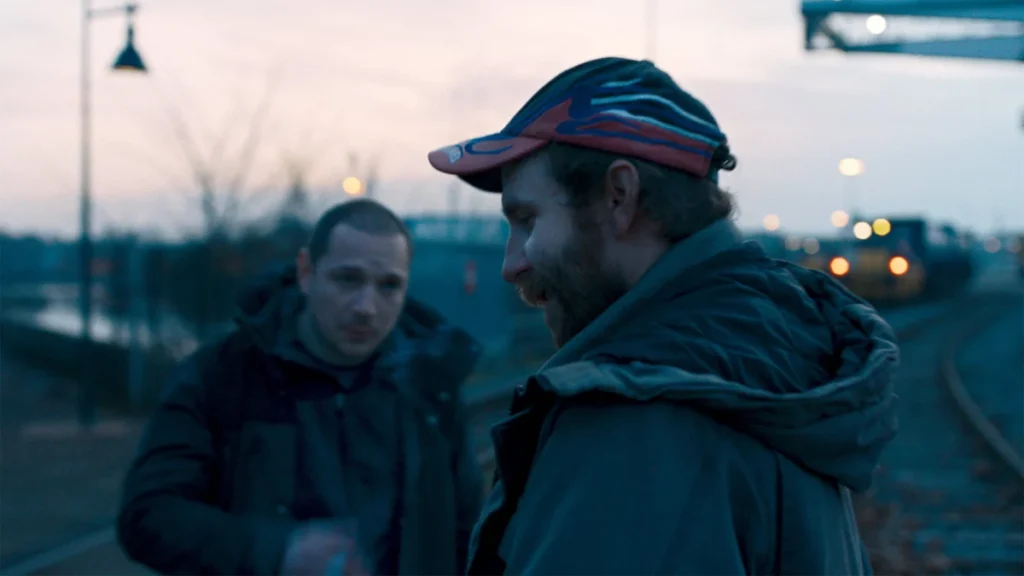

The 79th annual Cannes Film Festival, held from May 13th to May 24th, 2026, has once again served as a global stage for cinematic excellence, premiering a diverse array of films that span genres and resonate with profound human experiences. Amidst the highly anticipated blockbusters and auteur-driven dramas, a surprisingly tender and deeply affecting story of love between two middle-aged truck drivers has emerged as a standout, capturing the hearts of critics and audiences alike. "Flesh and Fuel," directed by French filmmaker Pierre Le Gall, is not only a significant contribution to the LGBTQ+ cinema landscape but also a powerful testament to the enduring nature of tenderness and authentic connection in an increasingly complex world.
The film, originally titled "Du Fioul dans les Artères" (which translates to "Fuel Oil in the Arteries"), offers a romantic and evocative glimpse into the lives of men whose professions often place them on the periphery of societal visibility. Le Gall, in his feature directorial debut, alongside co-writers Camille Perton and Martin Drouot, has crafted a narrative that is both intimate and universally relatable. The screenplay skillfully navigates the challenges and triumphs of a burgeoning romance between two men on the road, their lives dictated by delivery schedules and the vast distances that separate them. This narrative choice inherently imbues the film with a sense of longing and anticipation, mirroring the very essence of long-distance relationships.
The genesis of "Flesh and Fuel’s" critical acclaim can be traced back to a broader cinematic discourse initiated at the previous year’s festival. In 2025, Norwegian director Joachim Trier, known for his introspective dramas, famously proclaimed at Cannes that "tenderness is the new punk." This sentiment, articulated amidst a backdrop of global anxieties and often cynical narratives in media, resonated deeply, evolving into a guiding principle for filmmakers and a touchstone for cinephiles. Trier’s assertion championed sincerity, vulnerability, and earnest emotion as acts of quiet rebellion against pervasive negativity. "Flesh and Fuel" embodies this philosophy, demonstrating that profound love and genuine human connection, even in unexpected contexts, can be a powerful force for good. Le Gall’s film picks up this mantle, showcasing how embracing tenderness can lead to deeply fulfilling and transformative relationships.
The narrative centers on Étienne, portrayed with understated grace by Alexis Manenti, a reserved and diligent French truck driver. His life, characterized by routine and solitary journeys across the European continent, takes an unexpected turn when he encounters Bartosz, a charismatic and somewhat scruffy Polish trucker, played by Julian Świeżewski. Their meeting at a truck stop, a transient space often overlooked, becomes the catalyst for a profound emotional awakening. Despite language barriers, which are subtly and effectively navigated through shared moments and burgeoning understanding, their connection deepens. They begin a relationship built on late-night phone calls, shared anxieties about the road, and the exhilarating anticipation of their routes converging. The film meticulously captures the gradual blossoming of their affection, highlighting the small gestures and intimate conversations that lay the foundation for their growing bond.
The cinematography, helmed by Antoine Cormier, employs an intimate, handheld style that immerses the viewer directly into the characters’ experiences. This approach enhances the film’s sense of authenticity and immediacy, making the vast landscapes of Europe feel both expansive and intimately connected to the characters’ emotional journeys. The visual language of "Flesh and Fuel" is deliberately understated, mirroring the quiet dignity of its protagonists. The focus remains steadfastly on their burgeoning feelings, underscoring the belief that love, in its purest form, transcends external circumstances and societal expectations.
The film’s thematic resonance is amplified by its inclusion in a year marked by a robust selection of LGBTQ+ cinema at Cannes. "Flesh and Fuel" stands alongside other critically acclaimed films such as "Pillion," "Portrait of the Lady on Fire," "Carol," "Viet and Nam," "The Blue Caftan," and "Joyland," all of which have contributed to a rich tapestry of queer storytelling on the international stage. The consistent presence and critical appreciation of these films at major festivals like Cannes signal a growing mainstream acceptance and a demand for diverse narratives that reflect the full spectrum of human experience.
A pivotal scene, described by early reviewers as particularly moving, involves Étienne and Bartosz driving over a bridge, their shared hope of crossing at precisely the right moment serving as a poignant metaphor for their efforts to align their lives. This scene, more than any other, encapsulates the film’s central dramatic tension: the challenge of forging a lasting connection amidst the inherent unpredictability and geographical separation of their lives. The film masterfully avoids sensationalism or melodrama, opting instead for a nuanced portrayal of the everyday struggles and quiet triumphs that define their developing romance. The "drama" lies not in external conflict but in the internal journeys of these men as they navigate their feelings and the practicalities of maintaining a relationship on the move.

The very essence of "Flesh and Fuel" lies in its unpretentious portrayal of love between two middle-aged men. In a cinematic landscape often dominated by youthful romances or stories centered on societal upheaval, this film offers a refreshing perspective. It celebrates the beauty of finding connection later in life, of discovering love when it might be least expected, and of recognizing the profound impact that genuine affection can have. The warmth and sincerity emanating from the screen suggest that the love depicted is not merely a cinematic construct but a reflection of deeply felt human emotions that can inspire lasting romance off-screen as well.
The film’s success at Cannes is not just a victory for its cast and crew but also for the broader movement towards more inclusive and representative storytelling. The positive reception suggests a growing appetite for films that explore the complexities of relationships with honesty and emotional depth. "Flesh and Fuel" serves as a powerful reminder that love stories can be found in the most unexpected places and that the dignity and beauty of every human connection deserve to be celebrated.
The broader implications of "Flesh and Fuel’s" success at Cannes extend beyond its critical reception. The film’s triumph underscores the evolving nature of audience expectations and the increasing demand for authentic, character-driven narratives. As the film prepares for wider distribution, its impact is likely to resonate with audiences seeking stories that champion empathy, vulnerability, and the enduring power of human connection. The festival’s selection and the subsequent acclaim for "Flesh and Fuel" signal a continued commitment to showcasing diverse voices and perspectives, further enriching the global cinematic landscape. The film’s inherent optimism, coupled with its grounded realism, positions it as a significant cultural artifact of 2026, offering a much-needed dose of hope and tenderness in a world often characterized by division.
Timeline of Events:
- May 13th – May 24th, 2026: The 79th Cannes Film Festival takes place, featuring the world premiere of "Flesh and Fuel."
- May 17th, 2026: Initial critical reviews, including the one from Alex Billington of First Showing, are published, highlighting the film’s strengths and emotional impact.
- Mid-Festival (circa May 18th-22nd, 2026): Buzz surrounding "Flesh and Fuel" grows among festival attendees and critics, positioning it as a potential awards contender or a breakout hit.
- Late May 2026: Following the festival, discussions about distribution deals and potential awards campaigns for "Flesh and Fuel" begin.
Supporting Data and Context:
- Cannes Film Festival History: Established in 1946, the Cannes Film Festival is one of the world’s oldest and most prestigious film festivals. It serves as a crucial platform for discovering new talent, premiering international cinema, and influencing global film trends. The festival’s Palme d’Or is considered one of the highest honors in cinema.
- LGBTQ+ Cinema at Cannes: Over the years, Cannes has increasingly recognized and celebrated LGBTQ+ narratives. Films like "Blue is the Warmest Color" (Palme d’Or winner, 2013), "The Handmaiden" (2016), and "Portrait of the Lady on Fire" (Best Screenplay, 2019) are examples of previous successes that have brought queer stories to the forefront.
- "Tenderness is the New Punk" Movement: Joachim Trier’s declaration in 2025 at Cannes marked a philosophical shift in how sincerity and emotional vulnerability were being perceived in art. It encouraged a move away from cynicism towards a more empathetic and open expression of human feeling, influencing filmmakers to explore themes of love and connection with renewed earnestness.
Analysis of Implications:
The critical and audience reception of "Flesh and Fuel" suggests a growing demand for authentic, character-driven stories that explore love in its myriad forms. The film’s success, particularly its focus on middle-aged gay protagonists, challenges traditional cinematic tropes and expands the representation of LGBTQ+ individuals in film. It demonstrates that compelling narratives can be found in everyday lives, and that sincerity and emotional depth are powerful tools for cinematic storytelling. The film’s ability to connect with a broad audience, despite its specific subject matter, indicates a cultural readiness for more inclusive and emotionally resonant cinema. Furthermore, its alignment with the "tenderness is the new punk" ethos highlights a societal shift towards valuing empathy and vulnerability in art and life.
Alex Billington’s Rating: 9 out of 10