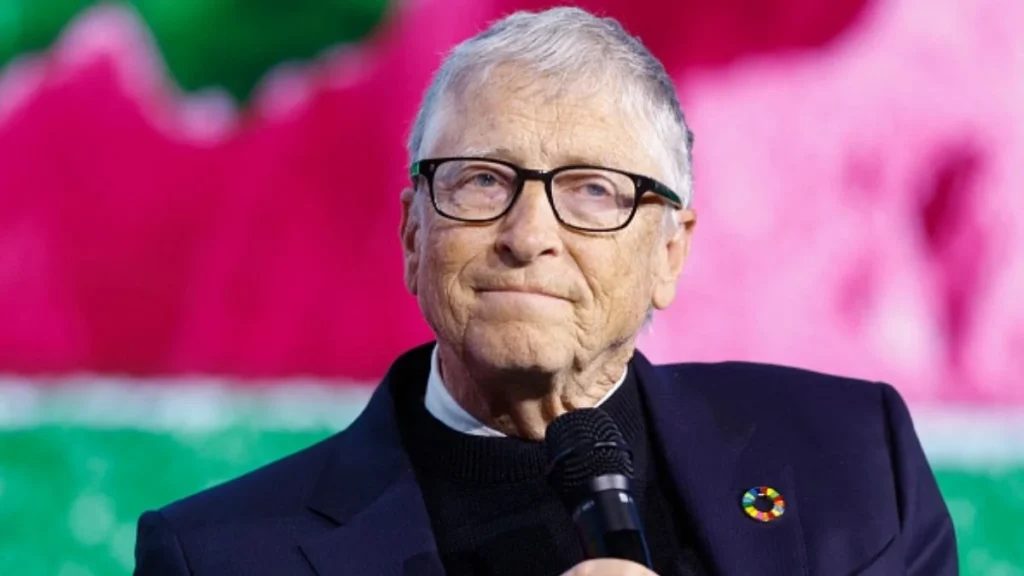

The professional and personal legacy of Microsoft co-founder Bill Gates is under renewed pressure as federal investigators and congressional committees delve deeper into his historical ties with the late convicted sex offender Jeffrey Epstein. Following a series of investigative reports and the emergence of previously undisclosed documents, Gates is now scheduled to provide testimony to the House Oversight Committee in a closed-door session on June 10. This development marks a significant escalation in the ongoing examination of how one of the world’s most prominent philanthropists became entangled with a figure whose criminal enterprise has sparked international outrage and a series of high-profile legal reckonings.
For more than a decade, Gates has worked to transition his public identity from a hard-driving software executive to a compassionate global benefactor through the Bill & Melinda Gates Foundation. However, the persistent shadow of the Epstein connection continues to challenge this carefully curated image. The upcoming congressional interview represents a pivotal moment for Gates, as lawmakers seek to clarify the nature, frequency, and purpose of his interactions with Epstein, which reportedly continued long after Epstein’s 2008 conviction for soliciting a minor for prostitution.
The Scope of the House Oversight Committee Inquiry
The decision by the House Oversight Committee to call Gates for a closed-door interview underscores the political and legal gravity of the situation. While the proceedings will be private, the focus is expected to center on the extent of Gates’ interactions with Epstein and whether any of those interactions intersected with Gates’ business or philanthropic interests. Representing Gates during these proceedings will be John Moran, a seasoned attorney and former Justice Department official, signaling the high stakes involved in the testimony.
Congressional investigators are reportedly interested in reconciling Gates’ public statements with internal documents and flight logs that suggest a more frequent cadence of meetings than previously acknowledged. The committee’s inquiry is part of a broader effort to understand the network of influence Epstein cultivated among the global elite and whether his connections were leveraged to facilitate or conceal illicit activities. A spokesperson for Gates confirmed his participation, stating that the billionaire is "voluntarily speaking with the House Oversight Committee" to provide transparency regarding the matter.
New Revelations from the Justice Department and Investigative Reports
The renewed scrutiny follows a comprehensive report by the Wall Street Journal, which cited newly surfaced information from Justice Department files. These documents suggest that the relationship between Gates and Epstein involved more than just occasional meetings. The report detailed a series of interactions, including photographs and communications involving Gates’ inner circle of advisers, that paint a more complex picture of the association.
According to the investigative findings, Epstein attempted to leverage his knowledge of Gates’ personal life to exert influence. One of the most significant allegations involves Epstein’s discovery of an affair Gates reportedly had with a Russian bridge player, Mila Antonova, around 2010. Documents suggest that in 2017, Epstein sent an email to Gates requesting reimbursement for the cost of Antonova’s coding school tuition—a request that was widely interpreted as a subtle form of extortion. This occurred years after Gates’ representatives claimed the relationship had been severed.
While Gates has maintained that his meetings with Epstein were strictly for the purpose of discussing global health and philanthropy, the DOJ files indicate that Epstein was actively attempting to position himself as an intermediary for the Gates Foundation, potentially seeking to manage a multibillion-dollar charitable fund.
A Chronology of the Gates-Epstein Association
To understand the current controversy, it is essential to trace the timeline of the relationship, which spans over a decade:
- 2008: Jeffrey Epstein is convicted in Florida of soliciting a minor for prostitution and serves 13 months in a work-release program.
- 2011: Bill Gates and Jeffrey Epstein meet for the first time at Epstein’s Manhattan townhouse. This meeting occurred three years after Epstein’s conviction.
- 2011–2014: Records indicate several subsequent meetings between the two men, including visits to Epstein’s residence and travel on Epstein’s private jet. Gates’ advisers were also reportedly in contact with Epstein during this period.
- 2013: Melinda French Gates reportedly expresses her deep discomfort and anger after a joint meeting with Epstein. Sources suggest this encounter was a turning point that contributed to the eventual dissolution of the Gates’ marriage.
- 2017: Epstein emails Gates regarding Mila Antonova, appearing to use his knowledge of their association as leverage.
- 2019: Jeffrey Epstein is arrested on federal sex trafficking charges and subsequently dies in his jail cell. Following his death, the New York Times publishes an expose detailing Gates’ ties to Epstein, prompting the first public wave of scrutiny.
- 2021: Bill and Melinda Gates announce their divorce. Reports emerge suggesting that Gates’ refusal to cut ties with Epstein was a primary factor in the split.
- 2024–2026: New reports from the Wall Street Journal and the release of Justice Department documents lead to the current congressional inquiry and renewed public debate.
Philanthropic Justifications and Internal Apologies
Throughout the controversy, Gates has maintained a consistent defense: that he met with Epstein in the hopes of securing more funding for global health initiatives. In various interviews, Gates has characterized the association as a "huge mistake" and expressed regret for giving Epstein a platform. "I did nothing illicit. I saw nothing illicit," Gates stated in a February interview, reiterating that his intentions were purely philanthropic.
However, the internal fallout at the Bill & Melinda Gates Foundation has been significant. Earlier this year, Gates reportedly issued an apology to foundation employees, acknowledging that his association with Epstein had cast a shadow over the organization’s work. The foundation, which manages an endowment of tens of billions of dollars, has spent decades fighting polio, malaria, and poverty. Staff members have expressed concern that the ongoing controversy distracts from these missions and damages the foundation’s credibility with international partners.
A spokesperson for Gates emphasized that he supports the full release of Epstein-related files, stating that Gates hopes "the victims can get the justice that they deserve." This stance is seen by some as an attempt to align himself with the victims of Epstein’s crimes while distancing himself from the perpetrator.
The Social and Professional Consequences
The impact of the Epstein association has extended beyond the courtroom and the foundation’s offices. The Wall Street Journal reported that the ongoing attention has begun to affect Gates’ standing within the global elite. Some high-profile social and professional events have reportedly distanced themselves from the Microsoft co-founder to avoid the optics of the controversy.
Advisers have reportedly encouraged Gates to maintain a lower public profile while the investigations continue. This is a stark departure for a man who has spent the last twenty years as one of the world’s most visible and sought-after public speakers. The "reputation laundering" that many critics accuse Epstein of attempting through his billionaire connections has, in a sense, backfired on Gates, making his own reputation a subject of intense public debate.
Analysis of Implications for Global Philanthropy
The Gates-Epstein saga serves as a cautionary tale for the world of high-net-worth philanthropy. It highlights a systemic issue where the desire for massive charitable contributions can sometimes blind organizations and individuals to the ethical backgrounds of their donors or intermediaries.
The case also raises questions about the "vetting" processes used by the ultra-wealthy. Despite Epstein’s status as a registered sex offender following his 2008 conviction, he was still able to maintain a seat at the table with some of the world’s most powerful people. This suggests a vacuum of accountability in elite circles, where social standing and financial influence often override criminal history.
Furthermore, the involvement of the House Oversight Committee suggests that the era of "private" philanthropy for the world’s richest individuals is facing a new level of public and political oversight. If the testimony on June 10 reveals that Epstein’s connections were used to influence global health policy or financial structures, it could lead to calls for stricter regulations on how private foundations operate and who they are permitted to associate with.
Looking Forward: The June 10 Testimony
As the June 10 hearing approaches, the focus remains on what new information Gates will provide to the House Oversight Committee. While the interview is closed-door, the findings could eventually be summarized in a public report or lead to further inquiries. The legal representation by John Moran suggests that Gates is preparing for a rigorous line of questioning that goes beyond simple philanthropic intent.
The ultimate question remains whether Bill Gates can fully untangle his legacy from the Epstein controversy. While his contributions to global health are undeniable, the persistent questions regarding his judgment and the nature of his past associations continue to resonate. For the victims of Jeffrey Epstein, the hope is that these high-level inquiries will finally bring the full scope of Epstein’s network to light, ensuring that no one, regardless of their wealth or status, is above the scrutiny of the law.