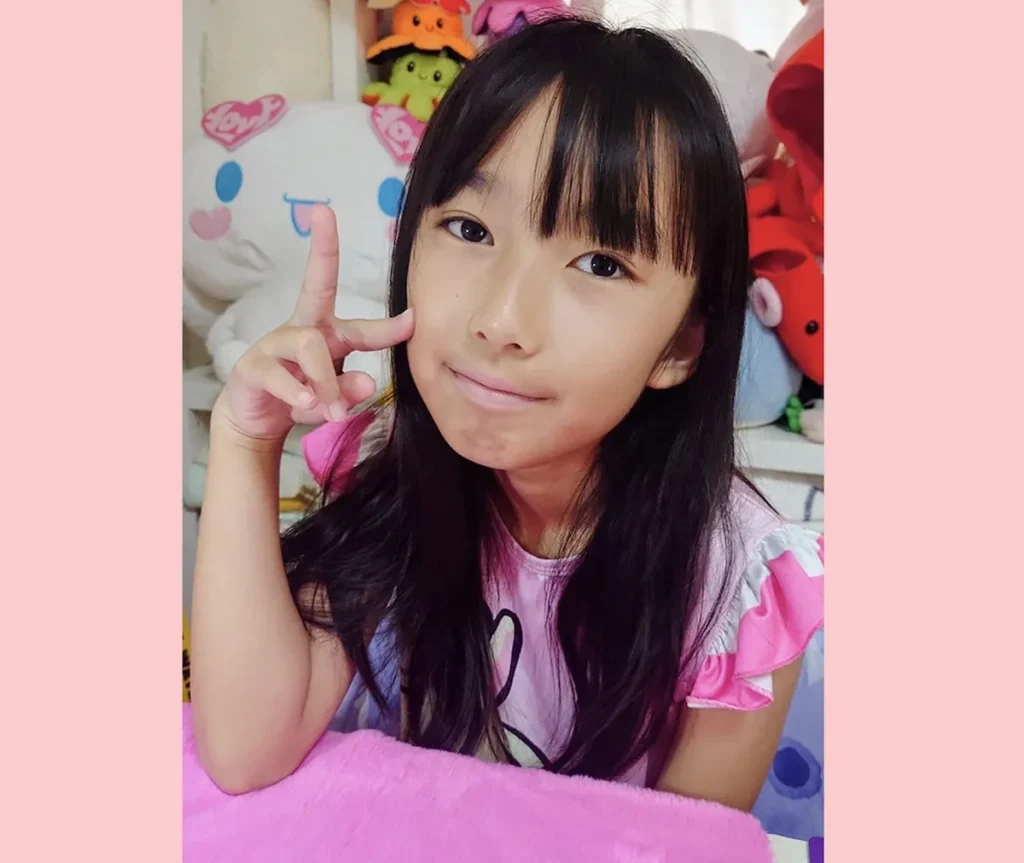

The entertainment industry and fans across Japan are mourning the tragic passing of Hirata Runa, a rising young idol and trainee with the DIANNA Project. Runa, who was only eight years old, passed away on September 25, 2026. The announcement of her death, which was shared via her official X (formerly Twitter) account, has prompted an outpouring of grief from the idol community and the general public, drawing attention to the severe and rare health complications that can arise from common viral infections.
Official Confirmation and Cause of Death
According to official statements released by the DIANNA Project, the young performer’s cause of death was identified as myocarditis resulting from a bout of influenza. Myocarditis is defined by the American Heart Association as an inflammation of the myocardium, the muscular middle layer of the heart wall. This condition can weaken the heart and its electrical system, which are responsible for pumping blood throughout the body.
In the case of pediatric patients, the progression from a viral illness, such as the flu, to myocarditis is rare but documented as a severe clinical complication. The suddenness of Runa’s passing has shocked those who followed her career, as there was little public indication of the severity of her illness prior to the announcement. The management agency has requested that the privacy of Runa’s family be respected as they navigate this profound loss.
A Chronology of Final Performances
To understand the sudden nature of this tragedy, it is necessary to examine the timeline of the weeks leading up to her death. Runa remained active in her professional duties well into late September. On September 20, 2026, she completed her final public performance. Following the event, she shared a message with her supporters on social media, writing: “Thank you for today too, I appreciate it. It was so much fun.”
This message serves as a haunting final testament to her dedication to her craft and her genuine enthusiasm for performing. Only five days later, on September 25, she passed away. The brevity of the window between her last public appearance and her death highlights the rapid and aggressive nature of the medical emergency she faced. On October 3, her team released a final, somber statement on her behalf, expressing gratitude to the peers, fans, and agency staff who supported her brief but impactful journey in the entertainment sector.
Understanding the Medical Context: Influenza and Myocarditis
While influenza is a common seasonal illness that typically results in fever, cough, and body aches, it can occasionally trigger secondary complications. Myocarditis occurs when the body’s immune system responds to a viral infection by causing inflammation in the heart muscle. In children, this can be particularly dangerous because the symptoms of heart distress—such as fatigue, shortness of breath, or chest pain—can be mistaken for symptoms of the flu itself.
Medical experts note that while most children recover from influenza without long-term issues, the inflammatory response associated with the virus can affect vital organs. In rare instances, this inflammation can disrupt the heart’s ability to maintain a steady rhythm or pump blood effectively, leading to critical failure. The tragedy of Runa’s death serves as a stark reminder of the importance of monitoring pediatric health during seasonal outbreaks and the necessity of medical intervention when symptoms persist or worsen unexpectedly.
The Role of the DIANNA Project
The DIANNA Project is a well-known entity within the Japanese idol landscape, focusing on the development and training of young performers. For a trainee like Runa, the agency provides a structured environment where young talent can hone their skills in singing, dancing, and stage presence. The loss of such a young member has had a palpable impact on the agency’s community.
In their official statement, the agency expressed deep gratitude to the fans who followed Runa’s progress. "We extend our heartfelt thanks to all the fans who supported Runa Hirata and to everyone involved who provided their support," the statement read. The professional bond between agencies and their young idols is often characterized by close-knit relationships, and the management team has faced the difficult task of communicating this news to a grieving fanbase while managing their own internal sorrow.
Broader Implications and Public Reaction
The death of an eight-year-old performer has sparked a wider conversation in Japan regarding the health and safety of children in the entertainment industry, as well as the risks posed by seasonal viruses. Social media platforms have been flooded with tributes from fellow idols and fans, many of whom noted her potential and the joy she brought to her audience.
The incident also highlights the global challenge of managing influenza-related complications in pediatric populations. Health authorities frequently emphasize the importance of vaccination and early detection, particularly for children who are involved in extracurricular activities that bring them into contact with large crowds, such as rehearsals and performances. While there is no indication that Runa’s death could have been prevented by standard precautions, the high-profile nature of her passing has led to a renewed focus on pediatric health awareness.
Tribute to a Budding Career
Though her time in the spotlight was brief, Runa was a bright presence within the DIANNA Project. Idol culture in Japan is unique, often emphasizing the "growth" of a performer from a young age. Fans often feel a personal connection to these trainees, cheering for their milestones and supporting them through their early challenges. Runa was remembered by those who knew her as a dedicated child who found genuine happiness in the act of performance.
The messages left by her team on her X account underscore the appreciation felt by those who worked alongside her. By thanking "all the fellow idols who were kind to Ruyu" and "the agency who made Ruyu an idol," the team acknowledged the support system that surrounded her. This community, while currently in mourning, remains a testament to the influence she had on those around her in such a short period of time.
Moving Forward: Respect and Remembrance
In the wake of this tragedy, the focus has shifted to remembrance. The DIANNA Project has encouraged fans to keep Runa in their thoughts while maintaining the dignity and privacy requested by her family. There have been no announcements regarding public memorial services, as the family continues to cope with the immediate aftermath of the loss.
The medical and entertainment communities will likely continue to reflect on this event as a reminder of the fragility of life. For the fans who followed her, the focus remains on the joy she provided during her performances. Her legacy, while cut short, is one of dedication and passion. As the industry processes the news, the outpouring of support for her family stands as a reflection of the profound impact a young life can have on a community.
The story of Hirata Runa is a somber one, serving as a reminder of the unpredictability of health crises. It is a moment for the public to pause and acknowledge the loss of a child whose potential was just beginning to unfold. Her story will be remembered not only for the talent she showed but for the brief, bright mark she left on the hearts of those who cheered for her. Rest in peace, Hirata Runa.