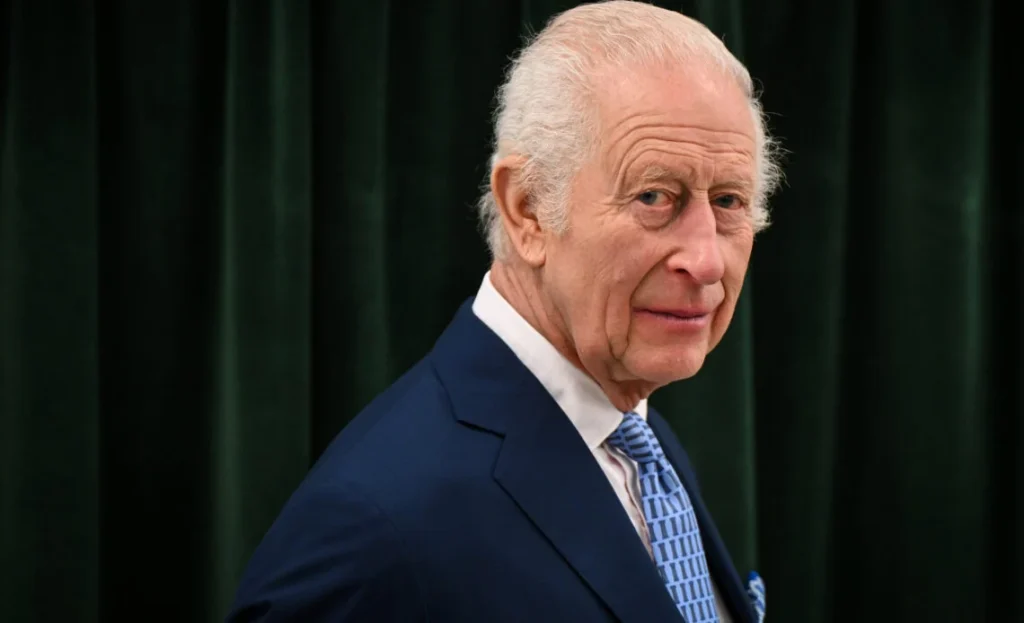

The nation is united in sorrow following the devastating loss of a soldier from the King’s Troop Royal Horse Artillery, who tragically died after a fall from a horse during the prestigious Royal Windsor Horse Show on Friday evening. His Majesty King Charles III has conveyed his "great shock and sadness" at the incident, which has cast a sombre shadow over one of the most anticipated equestrian events of the year. The serviceman sustained fatal injuries shortly after participating in a display, marking a poignant and unexpected end to a day of celebration.
The Royal Windsor Horse Show, a fixture in the British social and equestrian calendar, usually embodies the grandeur and tradition associated with the Royal Family’s deep connection to horses. This year, however, the event was irrevocably marked by this profound personal tragedy, underscoring the inherent risks associated with the demanding yet often breathtaking displays of horsemanship.
A Moment of Tragedy Amidst Celebration
The incident occurred around 7:00 PM on Friday, as the horse ridden by the King’s Troop serviceman was exiting the arena. Emergency services were immediately on the scene, providing critical treatment. Despite their swift intervention, the soldier succumbed to his injuries shortly thereafter. Thames Valley Police, who are investigating the circumstances, confirmed the soldier’s death, initiating a process that has deeply affected all those associated with the event and the wider military community.
Buckingham Palace issued a statement on behalf of His Majesty, articulating the King’s profound distress. "The King has been greatly shocked and saddened by this tragic event," the statement read. The Palace further indicated that the monarch would be reaching out to the soldier’s family privately to offer his personal condolences, a gesture that underscores the personal connection the Royal Family maintains with the men and women serving in its ceremonial units.
The somber mood permeated the atmosphere at Windsor on Saturday, the second day of the four-day event. While the Royal Windsor Horse Show proceeded as scheduled, organisers made the difficult decision to withdraw the King’s Troop Royal Horse Artillery’s scheduled performance. This decision, a mark of profound respect for the fallen soldier and his comrades, ensured that the focus remained on remembrance and solidarity rather than entertainment.
Official Investigations and Appeals for Information
Chief Superintendent Michael Loebenberg of Thames Valley Police described the incident as a "sad death" and appealed to the public for any information that might assist their investigation. "Our thoughts are with the soldier’s family and the wider community in the military and at the Royal Windsor Horse Show at this extremely difficult time," he stated, encapsulating the collective sympathy felt across various sectors.
The police have classified the death as "unexplained but non-suspicious," a designation that suggests an ongoing inquiry into the precise sequence of events leading to the fall. Such classifications are standard in ensuring thoroughness without premature conclusions. The absence of immediate suspicion of foul play does not diminish the gravity of the loss or the need for a comprehensive understanding of how this tragic accident occurred.
The identity of the soldier has not yet been publicly released, a common practice that allows for initial privacy for the bereaved family and ensures that official notifications are completed before public disclosure. This respect for privacy is paramount in the immediate aftermath of such a devastating event.
The King’s Troop Royal Horse Artillery: A Legacy of Service
The King’s Troop Royal Horse Artillery holds a unique and revered position within the British Army. It is one of the most recognizable ceremonial units, tasked with the solemn and often spectacular duty of firing Royal salutes, participating in State Occasions, and conducting public displays that showcase the historical might and tradition of mounted artillery. Their role is intrinsically linked to national commemoration and the upholding of royal pageantry, making their presence at events like the Royal Windsor Horse Show a symbol of enduring military tradition and public service.
Established in 1947, the King’s Troop Royal Horse Artillery carries forward a lineage that dates back to the Napoleonic Wars. Its primary function is to provide the gun carriage and gun escort for the State Gun Carriage in funeral processions of monarchs and distinguished service chiefs, as well as firing 41-gun Royal salutes in Hyde Park on designated Royal occasions. Their displays, often characterized by precision, discipline, and the powerful visual of horses and artillery, are a testament to rigorous training and unwavering dedication. This particular unit embodies a living connection to British military history, and the loss of one of its members is felt deeply within this proud tradition.
Background and Context of the Royal Windsor Horse Show
The Royal Windsor Horse Show, held annually in the grounds of Windsor Castle, is one of the largest outdoor shows of its kind in the United Kingdom. It boasts a rich history, dating back to 1947, and consistently attracts top national and international equestrian competitors across a wide range of disciplines, including show jumping, dressage, eventing, and showing classes. Beyond the competitive arena, the show is renowned for its impressive displays of military horsemanship, often featuring the Household Cavalry and, indeed, the King’s Troop Royal Horse Artillery.
The show is a significant event for the Royal Family, who have long been patrons and active participants. Queen Elizabeth II was a particularly passionate attendee and owner of numerous show horses. King Charles III, inheriting this legacy, continues to demonstrate a keen interest in equestrianism. The presence of the monarch at the show adds an element of prestige and underscores the deep-rooted connection between the British monarchy and the world of horses, a relationship that spans centuries and encompasses everything from sport and recreation to ceremonial duties.
The inclusion of military displays at the Royal Windsor Horse Show serves not only as entertainment but also as a demonstration of the capabilities and traditions of the armed forces. These displays are often meticulously choreographed and executed, requiring immense skill and courage from both the riders and their equine partners. The inherent dangers, though mitigated by extensive training and safety protocols, are a constant reality in such high-stakes performances.
Supporting Data and the Nature of Equestrian Risks
Equestrian activities, while immensely rewarding, carry inherent risks. Falls from horses, particularly at speed or during complex manoeuvres, can lead to a range of injuries, from minor abrasions to severe trauma. The Royal Society for the Prevention of Accidents (RoSPA) consistently highlights horse riding as an activity with a notable risk of injury, with falls being the most common cause. Statistics from various health and safety bodies indicate that while advancements in safety equipment and training have reduced fatalities, serious injuries remain a concern.
The King’s Troop Royal Horse Artillery operates with a heightened level of risk due to the nature of their displays, which often involve live firing and the handling of powerful horses in close proximity to artillery pieces. The training regimen for these soldiers is exceptionally rigorous, demanding peak physical and mental conditioning. The horses themselves are highly trained and selected for their temperament and athleticism, but even the most seasoned equine professionals can be unpredictable.
Broader Impact and Implications
The tragic death of the soldier at the Royal Windsor Horse Show has wider implications beyond the immediate sorrow. It serves as a stark reminder of the sacrifices made by members of the armed forces, not only in operational theatres but also in their ceremonial duties. These individuals perform their roles with immense pride and professionalism, often under public scrutiny, and their well-being is of paramount importance.
The incident will likely prompt a review of safety protocols, not just for the King’s Troop but potentially across all military ceremonial units and equestrian events. While the police have stated the death is non-suspicious, a thorough investigation is crucial to identify any contributing factors and to ensure that all possible measures are in place to prevent future tragedies.
The response from King Charles III highlights the personal stake the monarch has in the welfare of the troops. The King’s Troop, in particular, is deeply intertwined with the Royal Household, and the loss of a member is a blow to the entire institution. The public’s sympathy, amplified by the royal message, reflects a collective appreciation for the service and dedication of military personnel.
The withdrawal of the King’s Troop’s performance is a poignant testament to the respect afforded to the fallen soldier. It signifies a moment of collective mourning and a recognition of the profound impact of this loss on the unit and the broader military family. The continuation of the Royal Windsor Horse Show, while perhaps seeming incongruous, also serves a purpose in maintaining morale and demonstrating resilience in the face of adversity, albeit with a deeply altered tone.
The coming days will undoubtedly see further tributes and a deeper understanding of the soldier’s service. The focus will remain on supporting his family and ensuring that lessons learned from this tragic event contribute to enhanced safety in the future. The memory of the fallen serviceman will be honoured, and his sacrifice, even in the context of a ceremonial duty, will not be forgotten.