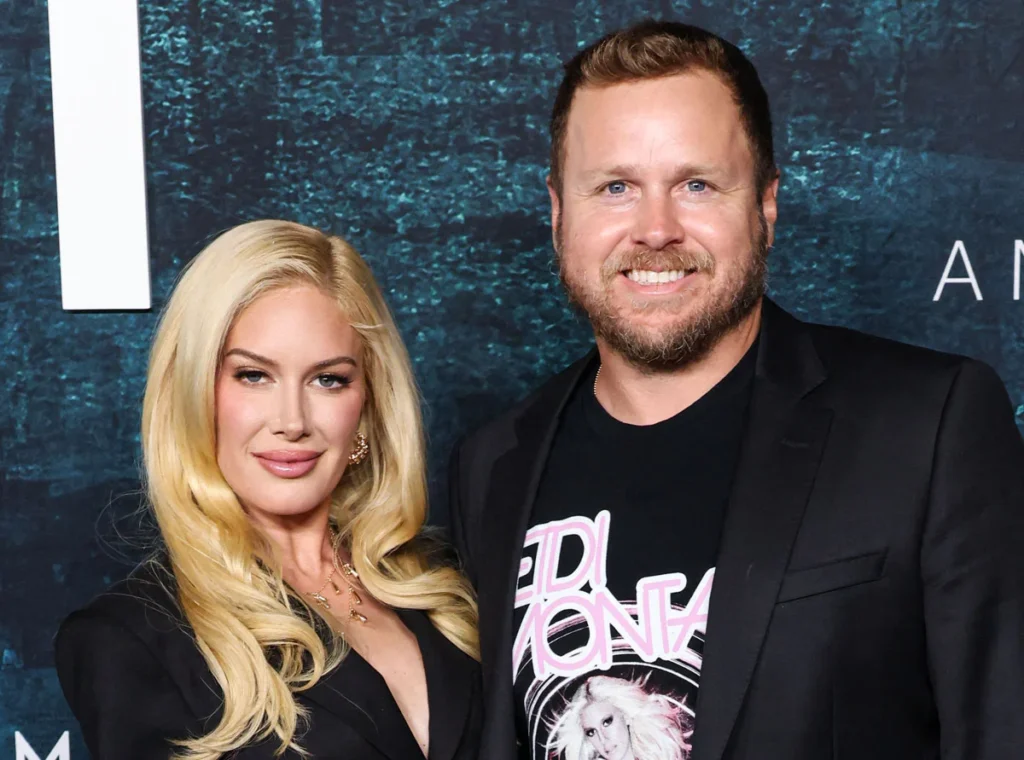

Reports of a reality television series chronicling Spencer Pratt’s burgeoning Los Angeles mayoral campaign have been definitively refuted by representatives for the reality television personality, directly contradicting earlier claims from prominent entertainment news outlets such as TMZ and Deadline. The denial casts a spotlight on the often-blurred lines between celebrity, political aspiration, and media manipulation in the digital age, raising questions about the initial propagation of the rumors and the potential implications for Pratt’s nascent political endeavor.
The initial reports, which surfaced in mid-May 2026, suggested that Pratt, widely recognized for his role in MTV’s seminal reality series The Hills, had inked a deal with Boardwalk Pictures, a production company known for its documentary and unscripted content. According to TMZ, the proposed series was intended to offer an unprecedented, behind-the-scenes look at Pratt’s journey on the campaign trail, with the added intrigue of following the aftermath should he emerge victorious in the highly competitive Los Angeles mayoral race. This initial report was subsequently corroborated and expanded upon by Deadline, a publication with a strong track record for industry scoops, which went so far as to claim that production was already underway, with cameras actively trailing Pratt. The simultaneous reporting from two typically reliable sources lent significant weight to the claims, leading to widespread speculation and discussion across entertainment and political commentary platforms.
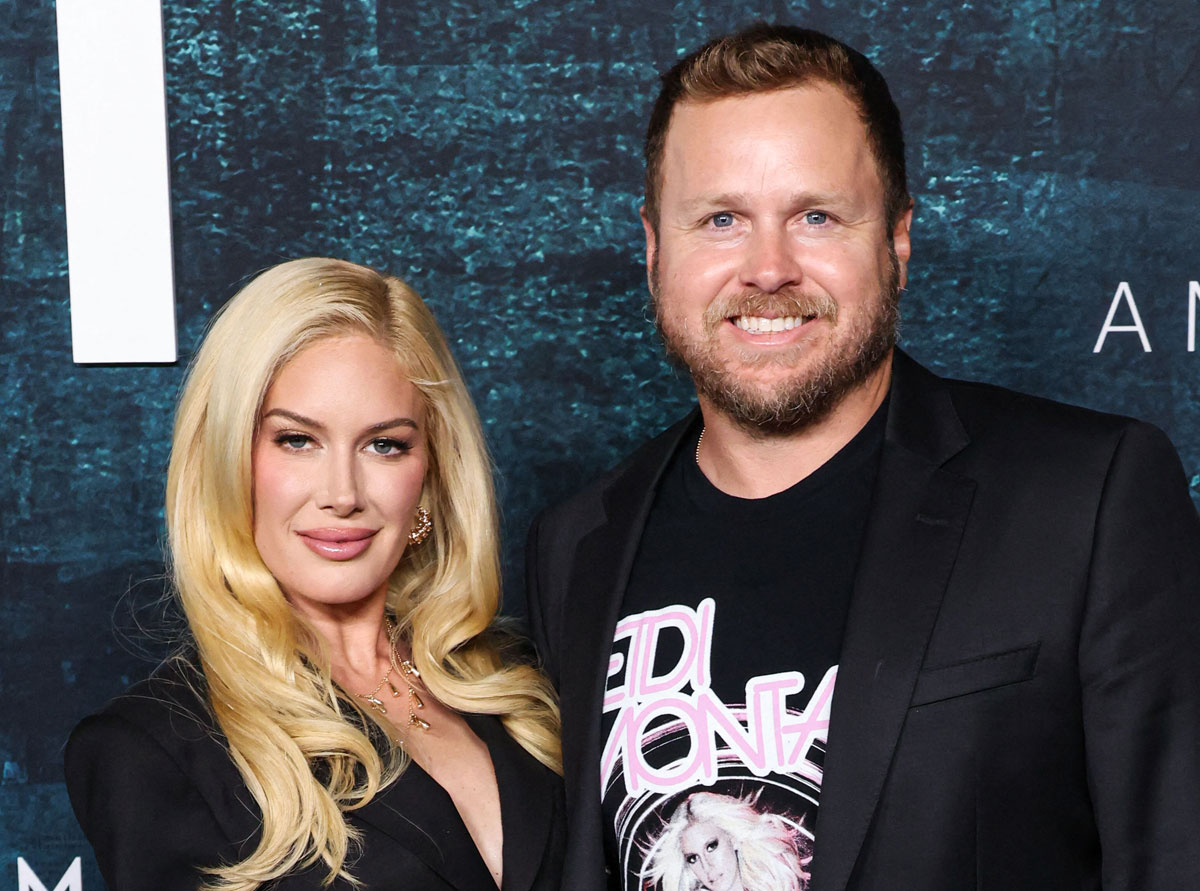
However, the narrative took an abrupt turn when representatives for Spencer Pratt, who is married to fellow The Hills alum Heidi Montag, issued a categorical denial. Speaking to TheWrap, Pratt’s public relations team stated, "This is inaccurate. There is no series in production and cameras have not been following the campaign. He does not have any signed contract. No contract exists related to this because it isn’t true." Further underscoring the finality of the denial, his camp informed US Weekly that Pratt had "no plans to do so," indicating that the absence of a reality series was not merely a present circumstance but a deliberate future strategy. This unequivocal rejection from Pratt’s official channels effectively dismantled the burgeoning rumors, leaving many to wonder about the origins of the initial, seemingly well-sourced, reports.
Background on Spencer Pratt and the Reality Television Landscape
Spencer Pratt’s public persona is inextricably linked to the rise of unscripted television in the 2000s. Alongside Heidi Montag, he became one-half of the infamous "Speidi" duo on The Hills, a show that premiered in 2006 and quickly became a cultural phenomenon. Known for their dramatic antics, manufactured feuds, and a seemingly insatiable appetite for media attention, Pratt and Montag mastered the art of leveraging reality television for fame and, at times, notoriety. The Hills, itself a spin-off of Laguna Beach: The Real Orange County, was instrumental in shaping the reality TV genre, blurring the lines between genuine life and scripted drama, a formula that has since been replicated across countless shows.
Pratt’s career post-The Hills has seen him dabble in various ventures, often maintaining a presence in the public eye through social media, podcasting, and occasional television appearances. His history is marked by a shrewd understanding of media cycles and how to generate buzz, traits that are often seen as double-edged swords in the political arena. The initial reports of a reality show about his mayoral bid were, in this context, not entirely implausible. Given his established brand and the public’s enduring fascination with celebrity culture, the idea of cameras following his political journey resonated with the contemporary media landscape where entertainment and public service frequently intersect.
The Los Angeles Mayoral Landscape and Celebrity Politics
Los Angeles, a city synonymous with Hollywood, has a unique relationship with celebrity and public office. The idea of a famous personality entering the political fray is not unprecedented, both locally and nationally. Historically, figures like Ronald Reagan, a former actor, ascended to the presidency, while Arnold Schwarzenegger, a global action star, served as Governor of California. More recently, Caitlyn Jenner, another reality TV personality, launched a gubernatorial campaign in California, albeit unsuccessfully. These instances highlight a recurring theme in American politics: the allure of a recognizable name and a pre-existing platform can bypass traditional political pathways, though success is far from guaranteed.
The Los Angeles mayoral race is a high-stakes affair, typically attracting seasoned politicians, city council members, and community leaders. Key issues often dominating the discourse include homelessness, affordable housing, public safety, traffic congestion, and environmental concerns. A candidate’s ability to articulate viable solutions to these complex problems, rather than merely relying on name recognition, is crucial for winning over the diverse electorate of Los Angeles. While celebrity status can provide an initial boost in media visibility and fundraising, sustaining a credible campaign requires a deep understanding of policy and a genuine connection with voter concerns. The notion of a reality show tracking such a campaign, while offering unparalleled exposure, could also invite skepticism regarding the candidate’s seriousness and commitment to public service over personal branding.
The Role of Media in Political Narratives: A Chronology of Reports and Retractions
The rapid propagation and subsequent retraction of the Spencer Pratt reality show story serve as a contemporary case study in media dynamics.
- Early May 2026: Unconfirmed whispers begin circulating within entertainment circles regarding Spencer Pratt’s political ambitions and potential media projects.
- Mid-May 2026 (Initial Reports): TMZ, citing unnamed sources, publishes an article claiming Pratt has secured a deal with Boardwalk Pictures for a reality series on his Los Angeles mayoral campaign. The report details the show’s premise, including coverage of his victory, should he win.
- Shortly After (Corroboration): Deadline, a highly respected industry trade publication, independently corroborates TMZ‘s report. Their article adds further details, suggesting that production has already commenced, lending significant credibility to the narrative. The widespread reach of both outlets ensures the story gains significant traction across mainstream and social media.
- Within Days (Official Denial): Representatives for Spencer Pratt issue a swift and unequivocal denial to TheWrap, explicitly stating that "there is no series in production" and "no signed contract." They further clarify that the reports are "inaccurate" and "not true."
- Subsequent Clarification: Pratt’s team provides additional context to US Weekly, confirming not only the current absence of such a show but also "no plans to do so" in the future, effectively shutting down any lingering speculation about a future production.
- Ongoing Reaction: The entertainment and political spheres react to the conflicting reports. Some question the initial sourcing, while others muse on the implications for Pratt’s campaign, which now faces the challenge of clarifying its media strategy.
The incident highlights the challenges faced by news organizations in verifying information, particularly when dealing with sources that may have vested interests or are operating within a fast-paced, competitive media environment. While TMZ and Deadline are generally regarded as reliable for breaking entertainment news, this particular instance demonstrates the potential for even well-connected outlets to be misinformed or to jump the gun on unconfirmed developments.
Reactions, Public Perception, and the Broader Context
The rumors, even if false, generated a significant amount of public discourse. Social media platforms buzzed with reactions, ranging from excitement at the prospect of more "Speidi" drama to cynicism about the commodification of politics. Many questioned whether a reality show would enhance or detract from the credibility of a mayoral campaign, especially one focused on the serious issues facing a major metropolitan area.
Kristin Cavallari, another prominent alum of The Hills, had previously weighed in on Pratt’s political aspirations, reportedly expressing a mix of amusement and support. Her comments, made prior to the reality show rumors, suggested that while she might find the idea surprising, she wouldn’t put anything past Pratt. Such reactions from former castmates underscore the enduring public interest in the personal and professional lives of reality television figures, even as they attempt to pivot into new fields.
In a separate development that further highlighted Pratt’s engagement with the Los Angeles political scene, singer Katharine McPhee and her husband, music producer David Foster, recently hosted a fundraiser for his mayoral campaign. This event, publicly shared on social media, indicates that Pratt is actively pursuing his political ambitions through traditional campaign avenues, securing support from influential figures within the entertainment industry. The fundraiser itself served as concrete evidence of a genuine campaign, contrasting sharply with the now-debunked reality show narrative. The presence of such high-profile supporters, even for a non-traditional candidate, signals a degree of seriousness and networking capability within Pratt’s camp.
The Intersection of Celebrity, Authenticity, and Political Campaigning
The episode surrounding Spencer Pratt’s alleged reality show underscores a critical tension in modern political campaigning: the struggle between authenticity and media spectacle. In an era where social media and unscripted content dominate attention spans, politicians often seek innovative ways to connect with voters. For a figure like Pratt, whose entire career has been built on exposing his life to cameras, the idea of a reality show might have seemed like a natural extension of his brand and a powerful tool for outreach. However, the immediate backlash and the need for a swift denial suggest that there remains a strong societal expectation for political endeavors to be perceived as serious, unadulterated by the artifice often associated with reality television.
The implications for Pratt’s campaign are multi-faceted. On one hand, the widespread reporting, even if erroneous, provided an enormous amount of free publicity, introducing his mayoral bid to an audience far beyond typical political news consumers. This "any publicity is good publicity" approach, often embraced by celebrities, might have inadvertently served to elevate his profile. On the other hand, the conflicting narratives could damage his credibility, making it difficult for voters to discern genuine political intent from media stunts. A candidate needs to build trust, and confusing signals about their primary motivation—public service versus entertainment—can erode that trust.
Moving forward, Spencer Pratt’s campaign will likely need to double down on clear messaging, emphasizing his policy positions and commitment to Los Angeles’s welfare. The focus will need to shift from the speculation surrounding media deals to the substantive issues he intends to address as mayor. This incident serves as a cautionary tale about the unique challenges faced by celebrity candidates, who must navigate the expectations of both the entertainment industry and the political electorate, often simultaneously. The public’s appetite for celebrity news is vast, but its patience for perceived insincerity in politics is often short.
Future Outlook for Pratt’s Campaign
With the reality show rumors firmly put to rest, Spencer Pratt’s mayoral campaign is now positioned to proceed with a more traditional, albeit still celebrity-infused, approach. His ability to draw support from figures like Katharine McPhee and David Foster demonstrates a capacity for fundraising and networking within influential circles. The challenge now lies in translating that initial buzz and celebrity backing into a tangible political platform that resonates with the diverse constituencies of Los Angeles.
The campaign will need to articulate specific policy proposals for tackling the city’s myriad problems, moving beyond the generalities often associated with reality television personalities. Voters will demand details on how Pratt plans to address homelessness, improve public safety, manage traffic, and foster economic growth. His background in reality television may provide a unique lens through which to communicate these plans, but the substance of the plans themselves will be paramount. The journey from reality TV star to credible political contender is arduous, requiring sustained effort, policy acumen, and a clear demonstration of commitment that transcends the fleeting nature of media cycles. The recent episode, while initially confusing, has inadvertently highlighted the intense scrutiny and high expectations that accompany any public figure daring to cross the threshold into the political arena.