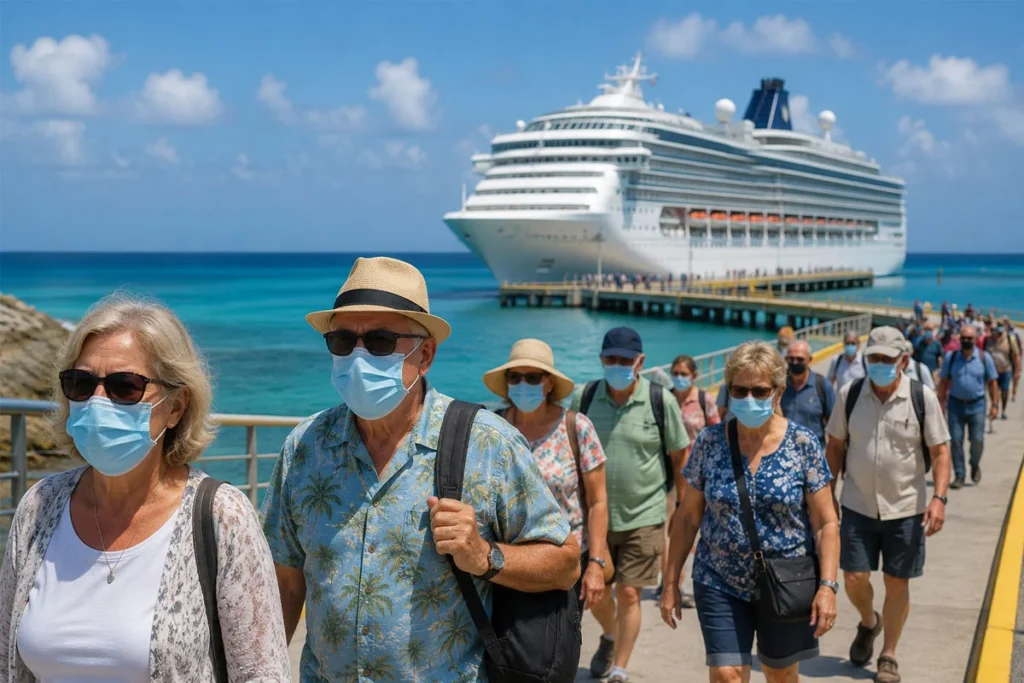

The Centers for Disease Control and Prevention (CDC) has confirmed that at least 41 individuals across the United States are currently under active monitoring for symptoms of hantavirus, following a recent outbreak aboard the expedition cruise ship MV Hondius. This revelation comes as passengers have completed evacuation from the vessel, which has been at the center of a public health alert concerning the potentially deadly rodent-borne disease. The widespread monitoring effort underscores the complex challenges of managing infectious disease outbreaks in international travel contexts and the critical role of public health agencies in containing potential spread.
The MV Hondius, an expedition cruise ship known for its voyages to remote and often rugged destinations, recently became the focal point of a global health concern after a hantavirus outbreak was identified among its passengers. While all passengers have now disembarked, the aftermath has prompted an extensive surveillance operation by health authorities worldwide, particularly in the United States, where a significant number of travelers reside. The World Health Organization (WHO) has recommended a 42-day self-quarantine period for potentially exposed individuals, a critical window given the virus’s incubation period.
Understanding Hantavirus: A Silent Threat
Hantavirus is a group of viruses carried by rodents that can cause severe, sometimes fatal, respiratory and renal diseases in humans. Unlike many common viruses, hantavirus is not typically transmitted from person to person. Instead, humans usually contract the virus when they breathe in air contaminated with aerosolized virus from rodent urine, droppings, or saliva. This can occur when cleaning out barns, sheds, or other enclosed spaces that have been infested with rodents, or during outdoor activities where there is contact with rodent habitats.
The clinical manifestations of hantavirus infection vary depending on the specific strain. In the Americas, the most common form is Hantavirus Pulmonary Syndrome (HPS), characterized by flu-like symptoms that rapidly progress to severe respiratory distress, with fluids filling the lungs. Symptoms typically begin one to eight weeks after exposure and can include fever, fatigue, muscle aches, headaches, dizziness, chills, and abdominal problems. As the disease progresses, patients experience coughing and shortness of breath, which can quickly become life-threatening. The mortality rate for HPS can be as high as 38%.
In Europe and Asia, different hantavirus strains cause Hemorrhagic Fever with Renal Syndrome (HFRS), which presents with fever, intense headaches, back and abdominal pain, and sometimes kidney failure. Both forms of the disease require intensive medical care, as there is no specific treatment or vaccine available. Early diagnosis and supportive care are crucial for improving patient outcomes. The reported three fatalities linked to the MV Hondius outbreak, though their nationalities and specific circumstances remain undisclosed in the initial reports, highlight the serious nature of the virus and the urgency of the ongoing monitoring efforts.
A Chronology of Events and Evacuation Efforts
The timeline of the MV Hondius hantavirus outbreak and subsequent response has unfolded rapidly over the past few weeks, creating a dynamic public health situation. While the exact date of the initial hantavirus detection onboard remains unspecified, concerns evidently mounted leading to staggered disembarkations and a full evacuation.
- Prior to April 24, 2026: Initial cases of hantavirus are suspected or confirmed on board the MV Hondius, triggering an alert among international health agencies. The cruise ship, likely en route or docked at an intermediate port, begins to draw the attention of health authorities.
- April 24, 2026: Six American passengers, exhibiting no overt symptoms at the time but potentially exposed, disembark the MV Hondius at an unspecified port during a scheduled stop. They are advised to self-monitor and report any symptoms to their local health authorities upon returning home. This early disembarkation highlights the initial stages of the response, focusing on individuals who could be identified and informed.
- Late April/Early May 2026: As the scope of the outbreak becomes clearer, a more comprehensive evacuation plan is initiated for the remaining passengers. This process involves intricate logistical coordination between the cruise line, port authorities, and various national health organizations to ensure safe and managed disembarkation. During these efforts, an additional 17 American passengers are repatriated.
- May 14, 2026: The news article detailing the CDC’s monitoring efforts is published, indicating that all passengers have now left the MV Hondius. On this same day, or shortly before, Dr. David Fitter, the CDC’s hantavirus response and incident manager, holds a briefing to provide updates on the ongoing surveillance in the United States.
The evacuation process itself presented significant logistical hurdles, given the international composition of the passenger list and the varied travel routes post-disembarkation. Each passenger’s onward journey had to be carefully considered to minimize potential exposure to others, although the non-human-to-human transmission of hantavirus somewhat alleviated concerns about broader community spread directly from asymptomatic travelers.
The CDC’s Strategic Monitoring Initiative
In response to the unfolding situation, the U.S. Centers for Disease Control and Prevention has launched a comprehensive monitoring program targeting American citizens who were aboard the MV Hondius. During a briefing on Thursday, Dr. David Fitter, the CDC’s hantavirus response and incident manager, detailed the current scope of this critical public health effort.
"Currently, 41 individuals across the United States are under active surveillance," Dr. Fitter stated. This group is categorized into three distinct cohorts, reflecting different exposure scenarios and levels of intervention:
- Potentially Exposed During Travel (16 individuals): This group comprises individuals who may have been exposed to hantavirus during their journey, either on the ship or during shore excursions, and were identified as requiring monitoring post-disembarkation. Their exposure risk is considered elevated based on travel patterns and potential contact points.
- Early Disembarkation (7 individuals): These are passengers who deboarded the MV Hondius prior to the official identification of the outbreak or before widespread evacuation efforts commenced. Despite deboarding early, their presence on the ship during the suspected exposure period necessitates monitoring. This group likely includes the six Americans who disembarked on April 24, with one additional individual.
- Repatriated to Medical Centers (18 individuals): This is the most critically monitored group, consisting of individuals who have been repatriated directly to specialized medical facilities in Nebraska and Georgia. Repatriation to medical centers suggests either that these individuals were symptomatic, had higher-risk exposures, or were deemed to require more intensive observation and immediate access to advanced medical care. Such facilities are often equipped with biosafety protocols and infectious disease specialists capable of managing severe cases.
The 41 individuals under monitoring are spread across twelve U.S. states, indicating the broad geographical reach of the public health response. These states include Washington, California, Arizona, Nebraska, Kansas, Texas, Minnesota, Illinois, Georgia, Virginia, Maryland, and New Jersey. The involvement of multiple state health departments highlights the necessity of robust inter-state coordination facilitated by the CDC. Each state’s public health system is now responsible for tracking and supporting the individuals within its jurisdiction, ensuring they adhere to monitoring protocols and have access to medical care should symptoms develop.
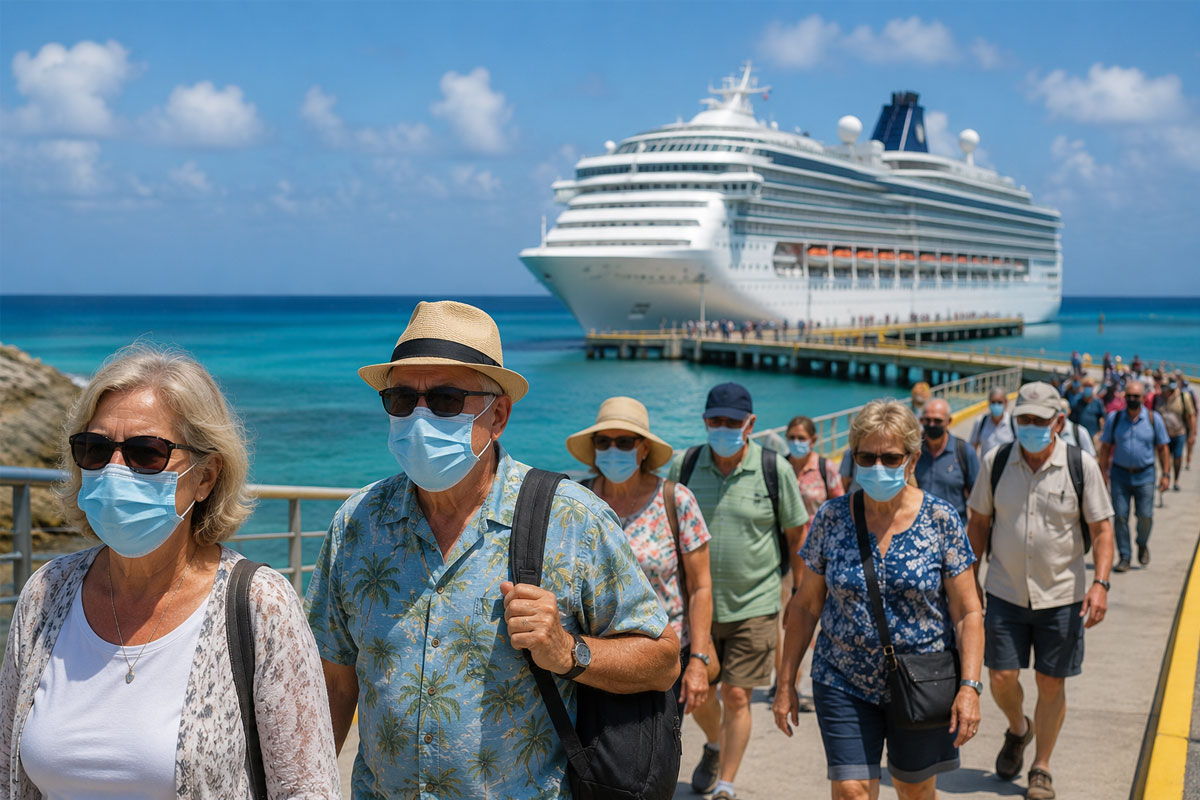
Dr. Fitter emphasized that the CDC is "not using our federal quarantining authority on people" to mandate the recommended 42-day quarantine. Instead, the approach is rooted in voluntary cooperation, risk assessment, and evidence-based public health practices. "Our approach is based on risk and evidence. We are working closely with passengers and public health partners to ensure monitoring and rapid access to care if symptoms develop," Fitter reiterated. This strategy acknowledges the balance between public health imperative and individual liberties, relying on informed consent and the civic responsibility of those potentially exposed.
Coordination Across the Nation: A Multi-Agency Effort
The management of an outbreak like hantavirus among international travelers demands seamless coordination between various layers of government and health organizations. The CDC, as the primary federal public health agency, plays a central role in guiding the national response, providing epidemiological expertise, and facilitating communication.
State health departments are on the front lines, directly engaging with the monitored individuals. Their responsibilities include:
- Contact and Outreach: Establishing regular contact with individuals, often daily, to inquire about their health status and any emerging symptoms.
- Symptom Tracking: Providing clear guidelines on what symptoms to watch for and how to report them immediately.
- Medical Referrals: Facilitating rapid access to healthcare providers and testing facilities if symptoms develop, ensuring that individuals receive timely diagnosis and treatment.
- Education and Support: Offering information about hantavirus, preventive measures, and psychological support to individuals who may be experiencing anxiety or fear.
The WHO’s involvement, particularly its recommendation for a 42-day voluntary quarantine, provides an international standard and reinforces the global nature of public health challenges. The cruise line operating the MV Hondius would also be expected to cooperate fully with health authorities, providing passenger manifests, travel histories, and details about on-board sanitation and rodent control measures. While no direct statement from the cruise line was provided in the initial reports, industry standards would mandate a commitment to passenger safety and cooperation with investigations.
Implications for Public Health and the Cruise Industry
The hantavirus outbreak on the MV Hondius carries significant implications, both for public health protocols and the cruise industry, especially the niche segment of expedition cruising.
Public Health Preparedness: This incident serves as a stark reminder of the constant threat of emerging and re-emerging infectious diseases, and the necessity for robust surveillance systems, rapid response mechanisms, and international collaboration. The challenges of contact tracing and monitoring individuals who disperse globally after potential exposure are immense, highlighting the need for standardized protocols and data sharing agreements between nations. The voluntary nature of the quarantine, while respecting individual rights, also underscores the importance of public education and trust in public health recommendations.
Cruise Industry Scrutiny: Expedition cruises, by their very nature, often venture into remote areas where encounters with wildlife, including rodents, are more common than on conventional cruises. This incident will likely prompt a re-evaluation of health and safety protocols specific to expedition vessels, particularly concerning pest control, sanitation in port, and awareness among passengers and crew about potential environmental hazards. While hantavirus is not typically associated with human-to-human transmission on ships in the way norovirus or influenza might be, the potential for indirect exposure via contaminated environments remains a concern. The industry as a whole may face increased scrutiny regarding infectious disease management, potentially leading to updated guidelines for onboard medical facilities, passenger health screenings, and incident reporting. Public perception of cruise travel, particularly after previous outbreaks of other viruses, could also be affected, leading to calls for greater transparency and more stringent health measures.
Economic and Social Impact: Beyond the immediate health concerns, there are broader economic and social impacts. Travel advisories, even informal ones, can deter future bookings for expedition cruises. Individuals undergoing monitoring face psychological stress, uncertainty, and potential disruption to their daily lives for the duration of the 42-day period. The resources deployed by state and federal health agencies represent a significant investment of taxpayer money, underscoring the high cost of managing such outbreaks.
Looking Ahead: Vigilance and Adaptation
As the 42-day monitoring period progresses for the 41 individuals in the U.S., public health authorities will remain vigilant. The primary hope is that no new cases of Hantavirus Pulmonary Syndrome develop among those under surveillance. Should symptoms emerge, rapid medical intervention will be critical to improve prognosis.
This incident offers valuable lessons for the future. It reinforces the need for continuous education campaigns about hantavirus prevention, especially for travelers to regions where rodents are prevalent. It also highlights the intricate dance between federal and state public health systems in a decentralized healthcare landscape, where coordination and communication are paramount. The MV Hondius hantavirus outbreak will undoubtedly contribute to the evolving best practices for managing infectious disease risks in global travel, ensuring greater safety for passengers and communities worldwide.