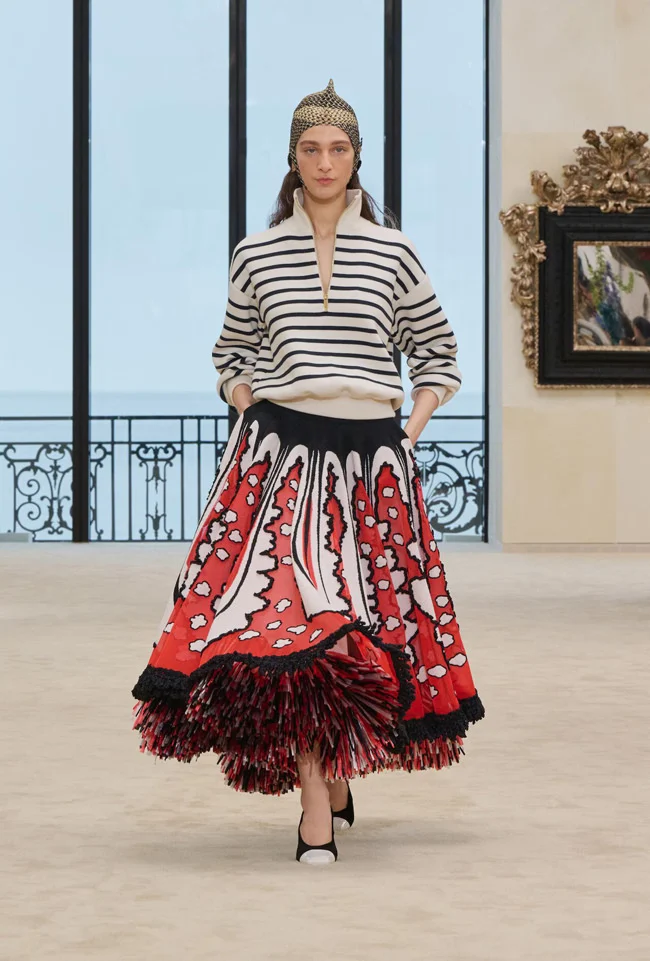

The landscape of digital media has undergone a radical transformation since the mid-2000s, shifting from a collection of informal personal blogs to a sophisticated industry dominated by search engine optimization, social media algorithms, and complex legal frameworks. At the center of this evolution is the independent publication Tom and Lorenzo, a platform that has maintained its autonomy for nearly two decades while navigating the increasingly litigious and consolidated world of entertainment journalism. Established in 2006, the site has transitioned through several eras of the internet, from the early days of "Web 2.0" to the current saturation of global streaming services. The longevity of such an entity highlights the critical balance between creative commentary and the stringent legal protections required to operate in an environment populated by multi-billion-dollar media conglomerates.
The Genesis and Longevity of Independent Commentary
The origins of Tom and Lorenzo can be traced back to the burgeoning interest in reality television and fashion during the mid-2000s. Originally launched as "Project Rungay," the site focused on the cultural phenomenon of Project Runway, providing a blend of humor, fashion analysis, and personality-driven critique. As the site grew, it rebranded to reflect its founders, Tom Fitzgerald and Lorenzo Marquez, and expanded its scope to include red-carpet analysis, television reviews, and film criticism.
The period between 2006 and 2025 represents a significant timeline in digital history. In 2006, the media landscape was still dominated by traditional print outlets and broadcast television. By 2025, the industry has become almost entirely decentralized, yet paradoxically controlled by a handful of massive tech and entertainment entities. For an independent site to survive this nineteen-year span, it must adhere to rigorous standards of copyright management and intellectual property (IP) law, as evidenced by the detailed legal disclaimers that now serve as the foundation for modern digital publishing.
Navigating the Conglomerate Landscape: Affiliations and Independence
A defining feature of the contemporary media environment is the lack of clear boundaries between content creators and the platforms that host or sponsor them. For independent journalists, maintaining a "not associated or affiliated" status is a crucial legal and ethical safeguard. The Tom & Lorenzo site explicitly lists a wide array of major networks and streaming services—including ABC, Amazon Prime, AMC, Apple TV+, BBC, Bravo, CBS, CW, Fox, FX, HBO, HBO Max, Hulu, Lifetime, Logo, Max, NBC, Paramount Plus, PBS, Showtime, Starz, Sundance, TNT, and VH1—to clarify its independence.
This extensive list reflects the massive consolidation of the entertainment industry. For example, HBO and HBO Max (now Max) are part of Warner Bros. Discovery, while Hulu, ABC, and FX fall under the Disney umbrella. By stating a lack of affiliation, independent outlets protect themselves from "passing off" claims, where a reader might mistakenly believe the commentary is official promotional material from the studio. This distinction is vital for maintaining journalistic integrity; it ensures that critiques of a program are not viewed as subsidized marketing but as objective analysis.
The Legal Framework of Digital Media and Copyright
The management of visual content remains one of the most complex challenges for digital publishers. In an era where a single image can be shared millions of times across platforms like Instagram, X (formerly Twitter), and Pinterest, the ownership of that visual data is frequently contested. The Tom & Lorenzo site’s policy of claiming no credit for featured images unless otherwise noted is a standard industry practice designed to comply with the Digital Millennium Copyright Act (DMCA).
Under the DMCA, service providers and digital publishers are often protected from liability for copyright infringement if they act as a conduit for information or provide a platform for content, provided they have a mechanism for rights holders to request the removal of copyrighted material. This "Notice and Takedown" procedure is a cornerstone of the modern internet. For a site focused on fashion and television, where the use of high-quality promotional stills and red-carpet photography is essential for context, navigating these "Fair Use" boundaries is a daily operational requirement.
Key Components of Digital Rights Management:
- Ownership Recognition: Acknowledging that visual content belongs to respective owners (photographers, studios, or agencies).
- External Links and Embedded Content: Clarifying that the publisher does not control content on third-party sites, such as YouTube or TikTok, even if those videos are embedded within an article.
- Accuracy and Liability: Disclaiming responsibility for inaccuracies, which serves as a buffer against potential defamation or misinformation claims in the fast-paced news cycle.
The Shift to the Streaming Era: 2015–2025
The decade leading up to 2025 saw the "Streaming Wars" fundamentally alter how entertainment news is consumed. The timeline of this shift began roughly in 2013 with the release of House of Cards on Netflix, but accelerated rapidly between 2019 and 2022 with the launches of Disney+, Apple TV+, and HBO Max.
This proliferation of content created a "peak TV" environment where the sheer volume of shows required a new kind of curation. Independent sites like Tom and Lorenzo transitioned from being mere reviewers to cultural navigators. However, this surge in content also increased the legal risks. Each new streaming service brought a new set of proprietary images, trademarks, and corporate legal teams. The inclusion of services like Amazon Prime and Paramount Plus in site disclaimers illustrates the necessity of covering a globalized market while remaining legally insulated from the corporate giants that own the intellectual property being discussed.
Supporting Data: The Economic Reality of Independent Media
The sustainability of independent digital journalism is increasingly precarious. According to data from the Pew Research Center, newsroom employment in the United States dropped by over 25% between 2008 and 2020. While much of this loss occurred in traditional print journalism, digital-native outlets have not been immune to the volatility of the ad-supported business model.
Independent sites typically rely on a combination of revenue streams:
- Programmatic Advertising: Automated ads that pay based on impressions or clicks.
- Affiliate Marketing: Earning a commission on products (such as clothing or books) linked within the content.
- Direct Support: Crowdfunding or subscription models (e.g., Patreon).
- Secondary Media: Book deals, podcasts, and speaking engagements.
The 2006–2025 copyright notice on the Tom & Lorenzo site suggests a robust business model that has survived the "pivot to video" of the mid-2010s and the subsequent decline of Facebook-driven traffic. By maintaining a strict "Terms and Conditions of Use" and "Privacy Policy," independent outlets can protect themselves from the data privacy regulations that have become more stringent with the implementation of the General Data Protection Regulation (GDPR) in Europe and the California Consumer Privacy Act (CCPA) in the United States.
Broader Impact and the Future of Cultural Criticism
The existence of independent voices in the entertainment sphere serves as a necessary counterweight to the official narratives provided by studio PR departments. When a site like Tom and Lorenzo analyzes the costume design of a series on HBO or the red-carpet strategy of a star in a Disney film, they provide a layer of cultural context that goes beyond simple promotion.
However, the future of this independence faces significant threats. The rise of Artificial Intelligence (AI) in content generation and search engine results poses a new challenge. As search engines begin to provide AI-generated summaries of news and reviews, the traffic to original source websites may decline. Furthermore, the consolidation of media into "mega-apps" may make it harder for independent URLs to reach audiences outside of walled gardens.
The "Disclaimer" and "Terms of Use" found on long-standing sites are more than just legal boilerplate; they are historical markers of the struggle for digital autonomy. They represent the boundaries drawn between the individual creator and the corporate entity. As the industry moves toward 2025 and beyond, these legal frameworks will likely become even more complex as virtual reality, AI-generated imagery, and decentralized web platforms (Web3) introduce new questions regarding authorship and copyright.
Conclusion: The Significance of the Independent Disclaimer
In summary, the operational structure of Tom and Lorenzo, as reflected in its comprehensive legal and copyright disclosures, provides a blueprint for the survival of independent journalism in the 21st century. By clearly defining the limits of their liability, asserting their independence from major networks, and respecting the intellectual property of others, they have managed to build a brand that spans nearly two decades.
The evolution from a niche blog in 2006 to a legally sophisticated digital publication in 2025 mirrors the broader history of the internet itself. It is a history defined by the tension between the democratization of information and the necessity of legal and corporate structure. For the reader, these disclaimers are a guarantee of transparency; for the publisher, they are the armor required to exist in a media landscape dominated by giants. As the streaming era continues to evolve, the role of the independent critic—unaffiliated, objective, and legally protected—remains vital to the health of the cultural conversation.