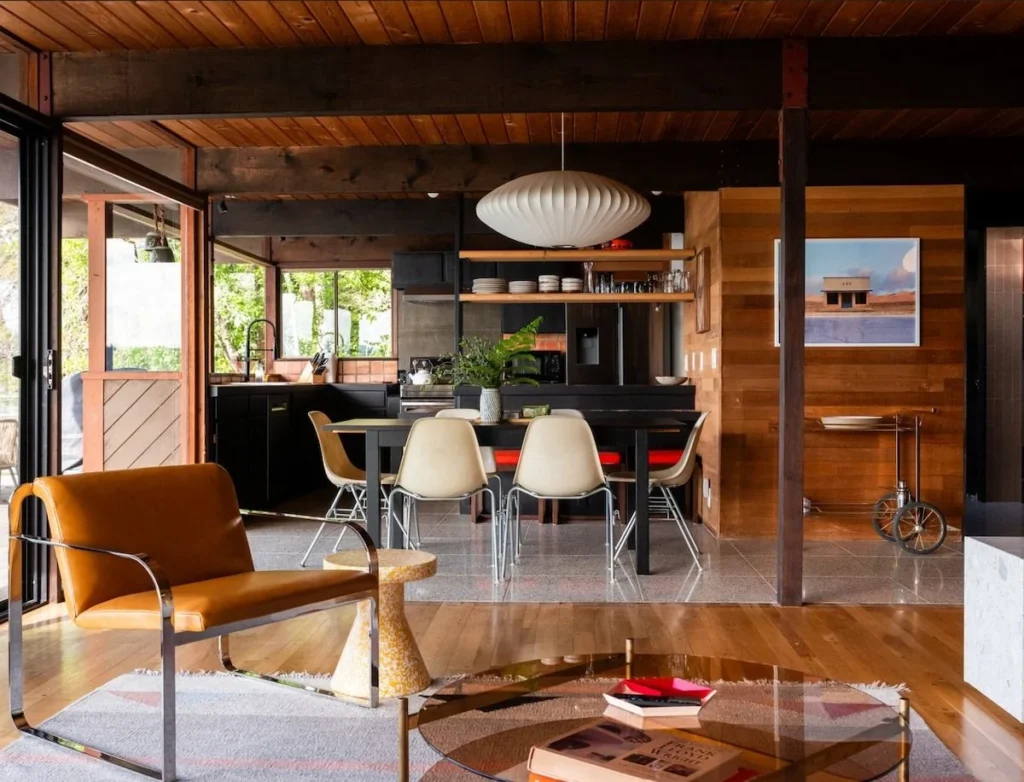

Seattle has long served as a complex intersection between the frontiers of technology and the rugged permanence of the natural world. Known globally as a haven for tech titans and off-the-grid outdoorsmen alike, the city has navigated a substantial period of transformation in the modern era without compromising its core biophilic appeal. The urban landscape, characterized by rolling hills, modernist architecture, and mountain-filled vistas, has increasingly become a premier design destination. A recent surge of new restaurants, boutiques, and high-concept hotels is drawing a new demographic of design-conscious travelers to the shores of the Puget Sound, encouraging exploration of the Pacific Northwest regardless of its famous precipitation.
The evolution of Seattle’s hospitality sector reflects a broader trend in urban development where "place-making" is prioritized over mere accommodation. From the historic Victorian charm of Queen Anne to the mural-adorned streets of Fremont, the city’s neighborhoods offer distinct aesthetic experiences. Furthermore, the surrounding islands—Whidbey, Orcas, and Bainbridge—provide a rural counterpoint to the city’s density, offering views and architectural styles that range from 20th-century rustic to contemporary minimalism.
The Urban Core: Sustainable Luxury and Modernist Vision
The downtown Seattle hotel market has seen a shift toward "green luxury," a movement spearheaded by brands that integrate environmental ethics with high-end design.
The 1 Hotel Seattle
1 Hotels have established a reputation for their deep connection with nature, and their Seattle outpost is arguably the most aligned with this vision. The design is heavily inspired by the evergreen environment of the Pacific Northwest, utilizing reclaimed wood accents and locally sourced furniture to create a "woodland getaway" within the city limits. Walls of live greenery define the common spaces, serving as a functional and aesthetic reminder of the region’s biodiversity.
The rooms maintain this focus on wellness and natural textures, featuring neutral palettes and high-pile materials such as boucle and faux fur. Beyond the aesthetics, the hotel functions as a community hub, hosting weekly book clubs, craft circles, and wine tastings. This focus on "social architecture" is complemented by an on-site restaurant featuring a seafood-forward menu of Spanish-style cold tapas, reflecting the city’s maritime heritage.
The Thompson Seattle
Located steps from the iconic Pike Place Market, The Thompson Seattle represents a collaboration between local architectural heavyweights Olson Kundig and luxury hospitality. The building’s design captures the spirit of "Pacific Northwest Regionalism," a style that emphasizes the use of glass, steel, and wood to bridge the gap between interior and exterior spaces.
The Thompson’s guest rooms are designed with the modern professional in mind, featuring leather upholstery, rainfall showers, and dedicated workspaces. The hotel’s rooftop bar, The Nest, has become a landmark in its own right. Situated on the 16th floor, it offers floor-to-ceiling views of the Olympic Mountains and the Sound, utilizing streamlined furniture and metallic accents to create a sophisticated urban atmosphere.
Historic Preservation and Eclectic Revivals
While new builds dominate the skyline, several of Seattle’s most notable stays are found within repurposed historic structures, blending midcentury soul with contemporary amenities.
Palihotel Seattle
Situated directly across from Pike Place Market in the historic Eitel Building, the Palihotel offers a departure from the sleek minimalism of its neighbors. The design is intentionally eclectic, leaning into a "quaint bed and breakfast" aesthetic that prioritizes personality. Rooms are characterized by green-cloaked walls and chintz floral headboards, creating a sense of cozy maximalism.
The hotel’s amenities—including SMEG refrigerators and Diptyque soaps—signal a commitment to high-design standards. The lobby restaurant, The Hart and The Hunter, serves as a social anchor, specializing in local oysters and providing a communal space that feels insulated from the high-traffic foot traffic of the nearby market.
The Graduate Seattle
Located near the University of Washington campus, The Graduate Seattle occupies a 1930s Art Deco building. The design narrative here is one of "vintage academia," utilizing fringed velvet armchairs, checked sofas, and Huskies memorabilia to evoke a sense of nostalgia. The hotel serves as a gallery for UW alumni artwork, grounding the property in the local community’s history. Its rooftop bar provides a panoramic view of the U-District, serving as a primary gathering spot for both visitors and residents.
The Salish Sea Retreats: Island Architecture and Seclusion
The islands of the Puget Sound offer a different architectural language, one rooted in maritime history and the preservation of the natural landscape.
Captain Whidbey Inn
On Whidbey Island, the Captain Whidbey Inn stands as a testament to the region’s early 20th-century lodge culture. Built in 1907, the inn retains its original log cabin walls and wood paneling. The property has been updated to include one-bedroom cabins designed in partnership with Pacific Northwest brands like Filson and Glasswing. These "mini-suites" combine rustic authenticity with modern comforts like percale bedding and flannel robes, offering a curated experience of the "great outdoors."
The Inn at Langley
Further south on Whidbey Island, the town of Langley hosts The Inn at Langley, a property designed for rejuvenation and mental resets. The architecture here is focused on the water, with nearly every guest room featuring a balcony overlooking the Sound. The interior design utilizes neutral fabrics and in-room fireplaces to create a soothing, low-stimulus environment. The on-site restaurant is renowned for its tasting menu, which highlights the agricultural bounty of the island.
Outlook Inn on Orcas Island
Orcas Island, often cited as the "gem of the San Juans," is home to the Outlook Inn. Located 80 miles northwest of Seattle, the inn offers a waterfront setting that caters to nature lovers and those seeking total seclusion. The design is minimalist, featuring white walls and light wood accents that do not compete with the dramatic bay views. For travelers seeking a more unconventional experience, the inn’s waterfront cabins provide private porches that serve as front-row seats for whale watching.
Residential Design and the "Japandi" Influence
The rise of short-term rentals has allowed for the exploration of residential design styles that might not fit the traditional hotel model. In Seattle, this is currently manifesting as a fusion of Japanese minimalism and Scandinavian functionality, often referred to as "Japandi."
A Hidden Forest Sanctuary (Bainbridge Island)
This secluded home on Bainbridge Island is a prime example of the restorative power of minimalist design. Heavily influenced by Japanese aesthetics, the property includes a tea station, an outdoor firepit, and an acre of private land. The focus is on "ethos of restoration," encouraging guests to engage with the natural surroundings rather than a structured itinerary.
Modern Treehouse Retreat (Madison Valley)
In the residential Madison Valley neighborhood, a sleek single-family home offers a "treehouse" experience through its lofted living areas and expansive windows. The interior features platform bed frames and paper lanterns, adhering to the Japandi style. This property is particularly relevant for travelers visiting for major events, such as the upcoming FIFA World Cup matches at Lumen Field, due to its proximity to the stadium and downtown core.
Regional Economic Impact and Tourism Trends
The diversification of Seattle’s hospitality offerings comes at a time of significant economic growth for the region. According to data from Visit Seattle, the city’s tourism industry has seen a steady recovery following the global pandemic, with hotel occupancy rates in the downtown core reaching levels not seen since 2019.
The "Amazon effect" has not only transformed the South Lake Union neighborhood into a tech hub but has also driven demand for high-design, boutique accommodations that cater to a global workforce. Furthermore, Seattle’s selection as a host city for the 2026 FIFA World Cup is expected to bring an unprecedented influx of international visitors, further incentivizing the development of unique, design-forward properties.
The shift toward biophilic and sustainable design is also a response to Washington State’s rigorous environmental regulations and the local culture’s emphasis on conservation. Architects in the region are increasingly tasked with creating structures that not only house people but also contribute to the ecological health of the area—whether through LEED certification, the use of sustainable timber, or the integration of urban green spaces.
Conclusion: The Future of the Pacific Northwest Aesthetic
Seattle’s identity as a design destination is no longer just a byproduct of its proximity to nature; it is a deliberate movement led by architects, hoteliers, and designers who recognize the value of the Pacific Northwest’s unique light, materials, and history. Whether it is a luxury suite in a downtown skyscraper designed by Olson Kundig or a century-old log cabin on a remote island, the common thread is a respect for the environment and a commitment to thoughtful, intentional living. As the city prepares for its next chapter on the global stage, its "design-friendly" stays will continue to serve as the primary ambassadors of this distinct regional vision.