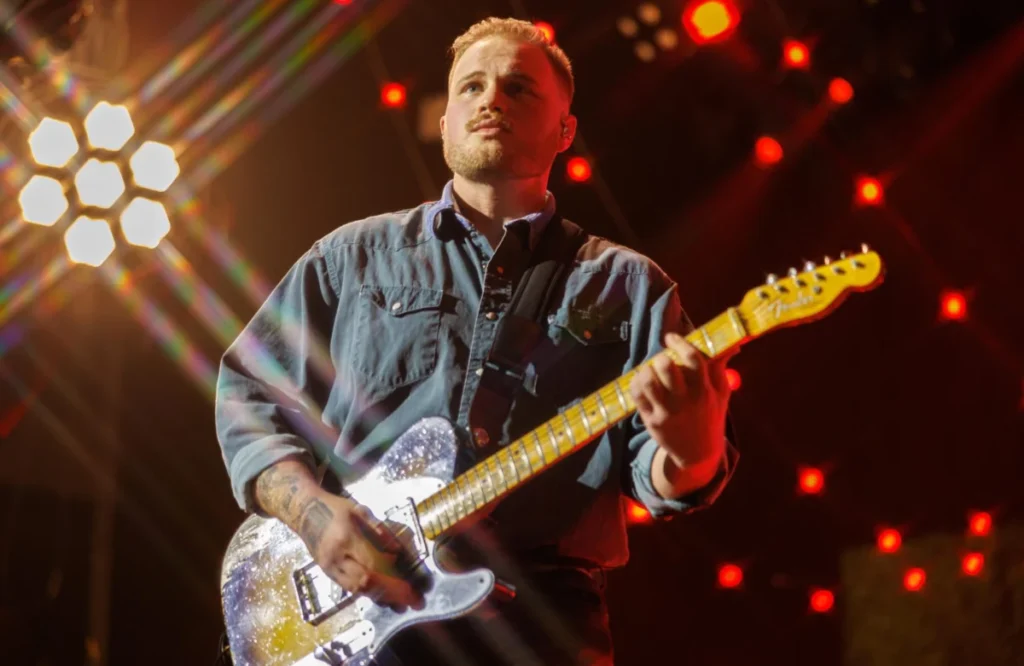

The highly anticipated concert by country music sensation Zach Bryan in Nebraska over the weekend was significantly impacted by severe weather, leading to a delay, a shortened set, and subsequent online backlash from some attendees. The incident, which unfolded on Saturday, April 25, has ignited a discussion among fans regarding concert disruptions, artist communication, and the expectations placed on performers during unpredictable environmental events.
A Stormy Saturday Night
The evening began with a promise of electrifying performances, but nature had other plans. Fans arriving at the venue were met with an announcement that the show would be delayed. Zach Bryan himself took to his social media platform, X (formerly Twitter), to share his own frustrations with the unfolding situation. In a post, he wrote, "tour in the spring they said, it’ll be fun they said." This cryptic message hinted at the challenges faced, setting a tone of unexpected adversity for the night.
The delay meant that doors opened significantly later than initially scheduled, impacting the fan experience even before the music began. Notably, the opening act, Kings of Leon, was unable to perform, likely due to the cascading effect of the weather-related schedule adjustments. As the night progressed, the inclement weather intensified. Reports indicate that lightning strikes began to occur in close proximity to the venue, posing a direct safety risk to both the performers and the audience. This immediate threat necessitated Bryan’s premature departure from the stage, cutting his performance short and leaving a portion of his planned setlist unfulfilled.
The Aftermath: Apologies and Accusations
Following the concert, Bryan posted a photo of his setlist to X, offering an apology to his fans and clarifying that the final six songs of his performance were omitted due to the circumstances. He expressed his regret for the truncated show, acknowledging the disappointment that such an event could cause. However, the response to his apology was not uniformly sympathetic.
A segment of concertgoers took to social media to voice their dissatisfaction. Some fans felt that they had not received the full value for their tickets, especially considering the significant delays and the absence of the opening act. One fan, identified as Haleyyannj on X, directly responded to Bryan’s apology, stating, "I know a lot of this was out of your control but we got half a show. Very disappointing." This sentiment, that the experience was incomplete, resonated with others who had invested time and money into attending the event.
The situation escalated when Bryan responded to Haleyyannj’s comment with what some interpreted as a dismissive remark: "Karen ahhhh tweet." This retort, a colloquial internet term often used to criticize perceived entitlement or unreasonable complaints, quickly drew further criticism. Another fan, who claimed to have paid over a thousand dollars for tickets and waited in their car for more than four hours, expressed their anger at Bryan’s response. They lamented the lack of communication from both the stadium and the artist, describing the situation as "ridiculous." Bryan, in turn, reiterated his "Karen ahhh tweet" response to this critic, further fueling the online debate.
Fan Support and Artist’s Perspective
Amidst the criticism, there were also voices of support for Zach Bryan. Many fans acknowledged the uncontrollable nature of severe weather and expressed understanding for the artist’s need to prioritize safety. One supporter commented on X, "They are acting like it was in your control, great show brother!" Bryan responded positively to this fan, sharing a photo of the stormy conditions and emphasizing the severity of the lightning strikes, asking, "There were f***n lighting bolts?? Above?? Our?? Heads??" This response underscored the genuine danger posed by the weather and provided a visual context for the difficult decision to end the show early.
The use of the term "Karen" in online discourse has become increasingly prevalent, often employed to shut down criticism, regardless of its validity. In this context, Bryan’s repeated use of the phrase could be seen as an attempt to deflect or discredit any complaints, even those stemming from genuine disappointment. However, the core issue for many attendees was not merely the shortened show but also the perceived lack of empathetic communication and the feeling of being dismissed.
Broader Context: The Challenges of Live Events
Concerts and live events are inherently susceptible to external factors, with weather being one of the most common disruptors. Major outdoor festivals and stadium shows often have contingency plans for inclement weather, ranging from temporary pauses to full cancellations. Indoor venues, while offering more protection, are not entirely immune; severe thunderstorms can still pose risks due to lightning strikes and potential power outages.
The incident with Zach Bryan highlights a recurring challenge in the live entertainment industry: balancing the artist’s commitment to delivering a full experience with the paramount importance of public safety. When severe weather forces a cancellation or curtailment, the resulting disappointment among fans is understandable. However, the artist’s response to this disappointment can significantly shape public perception.
The economic implications for fans are also a crucial consideration. Ticket prices for major artists can be substantial, and when a show is not delivered as promised, even due to forces beyond anyone’s control, a sense of unfairness can arise. Refund policies for weather-related disruptions vary widely by venue and promoter, adding another layer of complexity to these situations.
The Artist’s Role in Crisis Communication
Zach Bryan’s engagement on social media, while providing direct access to fans, also exposes him to immediate and unfiltered reactions. His use of the "Karen" trope, while perhaps intended to be lighthearted or defensive, inadvertently alienated a portion of his fanbase. Effective crisis communication in such scenarios often involves acknowledging the inconvenience, reiterating safety measures, and expressing genuine empathy, even when the situation is beyond the artist’s direct control.
The fact that Bryan shared a setlist and apologized indicates an intention to address the situation. However, the subsequent interactions suggest a disconnect between his intended message and how it was received. The criticism that followed was not solely about the shortened show but also about the perceived disrespect in his replies. This underscores the delicate balance artists must strike when engaging with their audience online, particularly during challenging circumstances.
Looking Ahead: Future Performances and Fan Expectations
Zach Bryan’s next scheduled performance is set for Davis Wade Stadium in Starkville, Mississippi, on Saturday night. Whether this incident will influence fan expectations or the artist’s approach to communication remains to be seen. The conversation sparked by this event serves as a reminder of the complex relationship between artists, their fans, and the unpredictable realities of live performances.
As the music industry continues to navigate the post-pandemic landscape, where demand for live events remains high, the ability to manage and communicate effectively during unforeseen disruptions will be increasingly vital. For artists like Zach Bryan, building a strong rapport with their fanbase involves not only delivering powerful musical performances but also demonstrating resilience, transparency, and empathy when faced with challenges. The Nebraska concert, while a testament to the volatile nature of live music, also offers valuable insights into the evolving dynamics of fan engagement and artist accountability in the digital age. The focus now shifts to how these lessons will be applied in future events, ensuring that both the music and the fan experience can weather any storm.