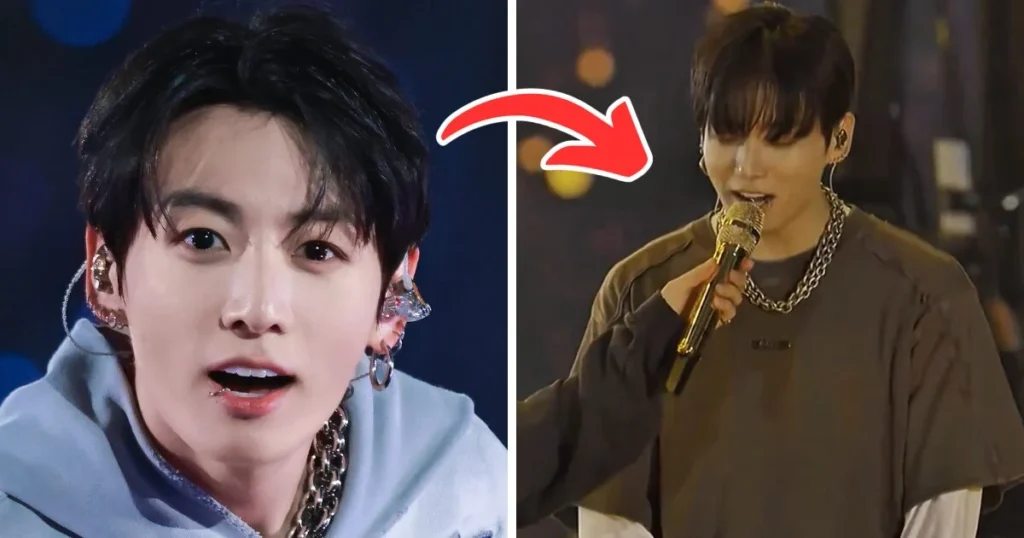

The Genesis of the ARIRANG Controversy
When ARIRANG was released in early 2026, it was met with immediate commercial success, topping charts globally and reaffirming BTS’s status as a dominant force in the music industry. Yet, beneath the streaming numbers, a vocal segment of the fanbase, known as ARMY, expressed deep dissatisfaction with the sonic direction of several tracks, most notably "Into the Sun."
The primary grievance centered on the pervasive use of pitch correction and digital processing. While autotune is a standard tool in modern pop production, often used as a stylistic choice to achieve a specific "hyper-pop" or futuristic aesthetic, critics argued that in the case of "Into the Sun," it served as a barrier between the artist and the listener. Fans took to social media platforms such as X (formerly Twitter) and TikTok to share side-by-side comparisons of the members’ previous works, highlighting a perceived loss of vocal texture and emotional resonance. The sentiment was that the "HYBE sound"—a term often used by netizens to describe the polished, high-frequency production style associated with BigHit Music’s parent company—had finally gone too far.
Chronology of the Viral Moment
The dissatisfaction remained a localized debate within the fandom until April 18, 2026, during the first night of BTS’s highly anticipated residency at the Tokyo Dome. As one of the largest indoor venues in the world, the Tokyo Dome is often the stage for career-defining performances. It was here that Jungkook performed a segment of "Into the Sun" with minimal backing track support, showcasing his natural vocal ability.
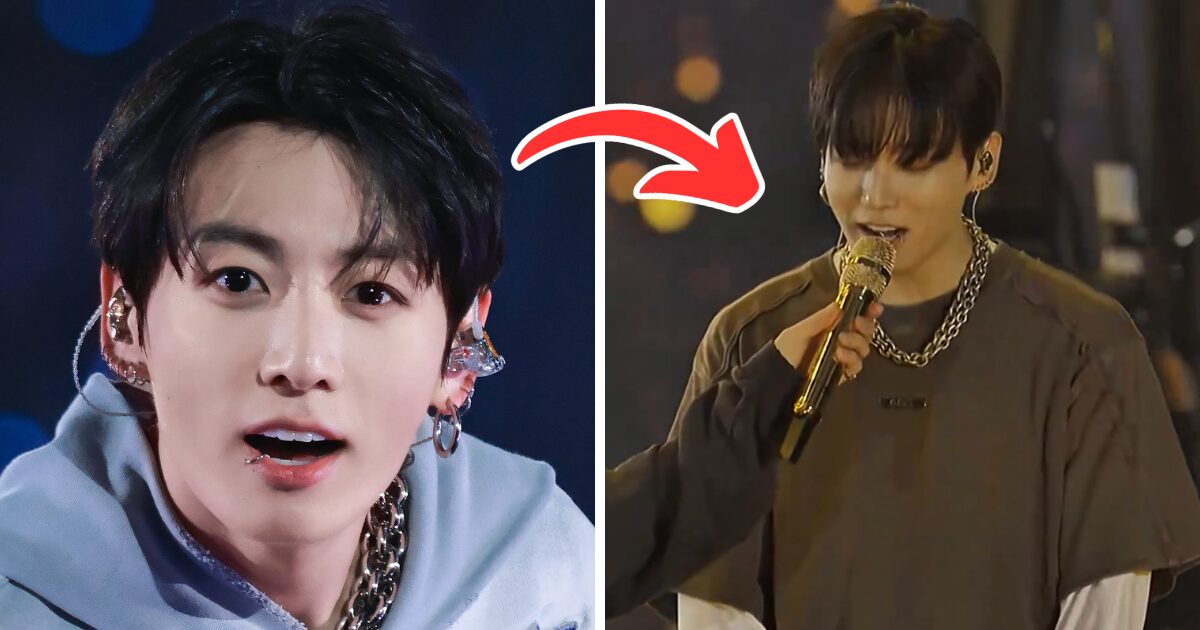
As clips of the performance began to circulate online, the contrast between the live rendition and the studio version was stark. In the live setting, Jungkook’s voice was clear, characterized by his signature breathy control and powerful vibrato—elements that many felt were completely absent from the album version. Within hours, the hashtags #JungkookLive and #IntoTheSun became trending topics globally.
By the morning of April 19, the clips had amassed millions of views. The narrative quickly shifted from praising Jungkook’s skill to condemning the production team responsible for the studio track. Fans argued that the "shocking" quality of his live vocals proved that the heavy processing was not a necessity for pitch correction, but a stylistic miscalculation that hindered the song’s potential.
Expert Validation and Global Reaction
The discourse surrounding Jungkook’s vocals gained further momentum when it caught the attention of industry professionals outside the K-pop sphere. Lea Salonga, the Tony Award-winning actress and singer renowned for her roles in Miss Saigon and Les Misérables, as well as providing the singing voices for Disney’s Jasmine and Mulan, reportedly expressed her admiration for the performance.
Salonga, who is widely regarded as a "vocal powerhouse" with an exacting ear for technical proficiency, has previously praised BTS for their dedication to live performance. Her recognition of Jungkook’s Tokyo Dome stage served as a high-level validation of the fans’ claims. When a vocalist of Salonga’s caliber acknowledges the "excellence" of a live performance, it moves the conversation from subjective fan appreciation to objective technical critique.

In South Korea, the reaction on community portals like TheQoo was equally intense. Netizens expressed a mix of awe and disappointment. One popular post noted, "We knew he could sing, but hearing this live makes the studio version sound like a wasted opportunity. Why hide a voice like that behind a computer?" This sentiment was echoed across various forums, where the consensus was that the production had "robbed" the song of its soul.
Technical Analysis: The Tension Between Production and Performance
The controversy highlights a broader tension within the music industry regarding the role of technology in vocal production. Audio engineers often use tools like Melodyne or Auto-Tune to ensure a "perfect" radio-ready sound, but there is a fine line between enhancement and erasure.
In the case of "Into the Sun," the production utilized a high level of "formant shifting" and "compression," which can flatten the natural harmonics of a human voice. For an artist like Jungkook, whose appeal lies largely in his ability to convey vulnerability and strength through subtle vocal shifts, this type of processing can be particularly detrimental.
Industry analysts suggest that the backlash against "Into the Sun" may be a sign of "vocal processing fatigue" among listeners. As AI-generated music and hyper-processed vocals become more common, audiences are increasingly craving authenticity and "raw" talent. Jungkook’s live performance served as a reminder of what is lost when the human element is over-engineered.
Official Responses and Internal Implications
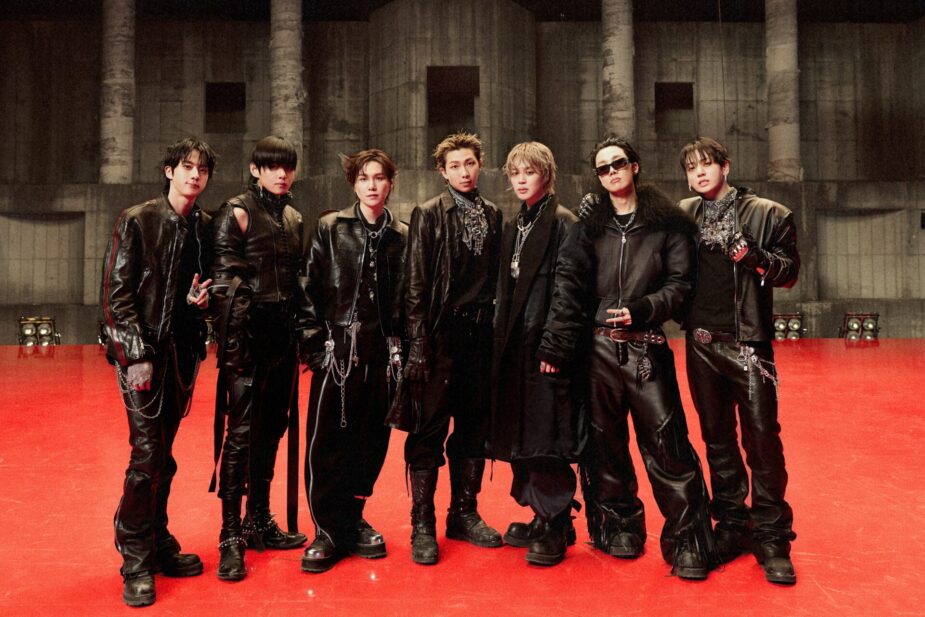
While BigHit Music and HYBE have not issued a formal statement regarding the specific criticisms of "Into the Sun," the internal reaction is likely one of careful observation. The label has historically been sensitive to fan feedback, occasionally releasing "Acoustic" or "Live" versions of songs that were criticized for their production.
Sources close to the industry suggest that the viral success of the live clip may influence the production style of future solo projects or group releases. The "Jungkook effect" has demonstrated that the group’s global audience is not just interested in a polished product, but in the specific, unvarnished talents of the individuals.
Furthermore, this incident bolsters Jungkook’s reputation as a "stable" live performer, a crucial asset in an industry where "MR Removed" videos (videos where the backing track is removed to reveal the raw live vocals) can make or break an idol’s reputation. His ability to outperform the studio recording is a rare feat that solidifies his standing as one of the premier vocalists of his generation.
Broader Impact on the K-pop Landscape
The fallout from the "Into the Sun" controversy may have lasting implications for the K-pop industry at large. For years, the trend has been toward increasingly complex and digitalized soundscapes. However, the intense "hate" directed toward the studio version of this song—triggered specifically by the excellence of the live vocals—suggests a pivot in consumer expectations.

Fans are no longer satisfied with "perfect" studio tracks if they come at the expense of the artist’s identity. This event may encourage other labels to reconsider the "over-processing" of their artists, especially those who have already proven their vocal mettle.
The timeline of this event—from the release of ARIRANG to the Tokyo Dome performance—serves as a case study in the power of live performance in the digital age. It proves that despite the reach of streaming platforms and social media marketing, the most powerful tool an artist possesses is their actual voice.
Conclusion
The controversy surrounding "Into the Sun" is a unique instance where an artist’s own talent became the primary weapon against their own recorded work. Jungkook’s performance at the Tokyo Dome did more than just entertain; it provided a definitive answer to the ongoing debate regarding the necessity of heavy autotune in BTS’s recent music.
As the group continues their world tour, the focus will undoubtedly remain on their live capabilities. While "Into the Sun" may remain a controversial entry in their discography, the discourse it sparked has reaffirmed a fundamental truth in the music world: technology can enhance a song, but it can never replace the resonance of a world-class live vocal. For BTS and HYBE, the message from the fans and experts alike is clear—let the voices be heard.