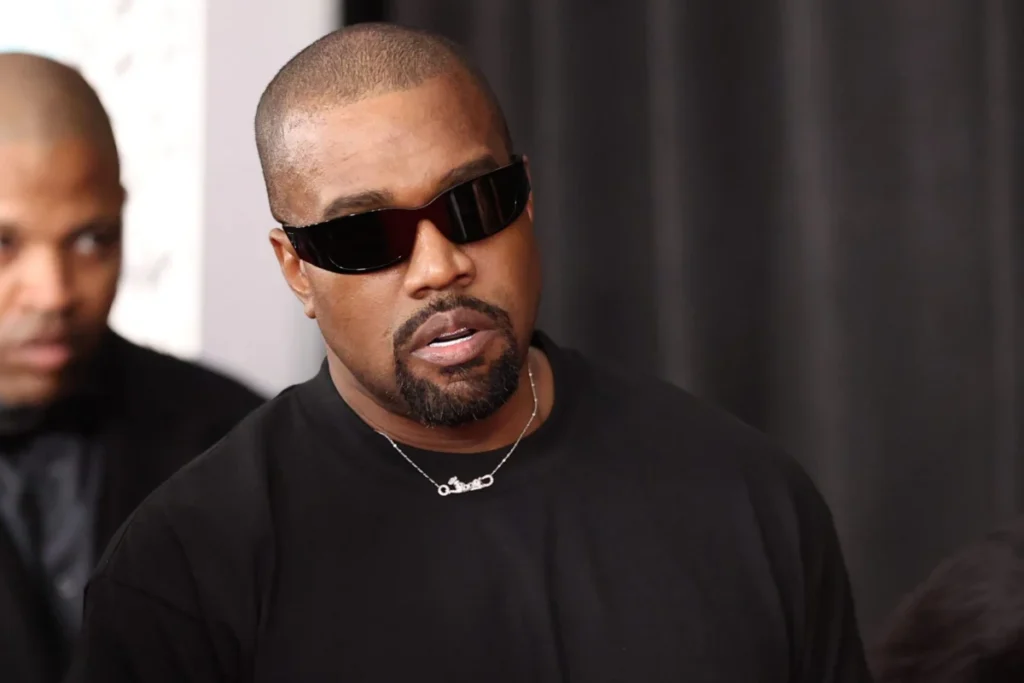

The announcement that artist Ye, formerly known as Kanye West, is slated to headline the Wireless Festival this summer has ignited a firestorm of controversy, with multiple U.K.-based Jewish organizations issuing strong statements urging his removal from the lineup. This development follows Ye’s recent offer to meet with Jewish community members to discuss his history of antisemitic remarks, an offer that has been met with skepticism and conditions by key advocacy groups.
Festival Controversy and Escalating Criticism
The north London festival, scheduled to take place in Finsbury Park from July 10-12, announced Ye as the headliner for all three nights, billing the performances as a celebration of his "most iconic records." This decision, made public on March 30, has drawn swift and significant criticism from a range of influential figures, including London Mayor Sadiq Khan and U.K. Prime Minister Keir Starmer. Both officials have publicly expressed their deep concern over the booking, citing Ye’s well-documented history of antisemitic statements.
The backlash has not been confined to political spheres. Several major corporate sponsors, including Pepsi, the alcoholic beverages company Diageo, PayPal, and Rockstar Energy, have publicly withdrawn their partnerships with Wireless Festival over the weekend in response to the controversy. This exodus of financial backing underscores the severity of the reputational damage associated with the booking.
Organizers’ Stance and Artist’s Response

Melvin Benn, managing director of Festival Republic, a co-promoter of Wireless alongside Live Nation, has acknowledged the abhorrent nature of Ye’s past comments. However, he has defended the decision to keep the artist on the bill, calling for audiences to consider "offering some forgiveness." In a statement released on April 6, Benn clarified that Wireless "are not giving [Ye] a platform to extol opinions of whatever nature, only to perform the songs that are currently played on the radio stations in our country and the streaming platforms in our country and listened to and enjoyed by millions."
In a further development on Tuesday, April 7, Ye addressed the ongoing controversy. He updated an earlier letter published in the Wall Street Journal, originally titled "to those I’ve hurt," which he had shared in January. In the amended version, Ye expressed his gratitude for the "opportunity to meet with members of the Jewish community in the U.K. in person" to listen and offer further apologies for his past remarks.
Jewish Organizations’ Demands and Conditions
The Board of Deputies of British Jews, described as the largest and second oldest Jewish communal organization in the country, has responded to Ye’s offer to meet. In a statement shared online, the organization recalled that Ye’s recent pronouncements followed "three years of appalling antisemitism," referencing songs released less than a year prior with titles such as "Heil Hitler" and "Gas Chamber."
The statement, signed by the organization’s president, Phil Rosenberg, articulated a clear position: "The Jewish community will want to see genuine remorse and change before believing that the appropriate place to test this sincerity is on the main stage at the Wireless Festival. As such, we are willing to meet Kanye West as part of his journey of healing, but only after he agrees not to play the Wireless Festival this year."
This stance was echoed by the Campaign Against Antisemitism, a volunteer-led charity. A spokesperson for the organization stated on social media, "If Mr West cancels his appearances at Wireless, it will be a sign that he may be genuine in his remorse. If he does not, then a meeting with Jewish groups can serve no purpose other than to kosher his invitation to the Festival – which we will play no part in."

The Campaign Against Antisemitism also directly addressed Melvin Benn’s comments, asserting, "This is about profit, not forgiveness. Nobody knows what might come out of Mr. West’s mouth on that stage or subsequently, least of all Mr Benn. That is why if the appearances go ahead, we will be organizing a mass demonstration outside the Festival, whose organizers should be ashamed of themselves."
Background and Broader Implications
Ye’s career has been marked by immense artistic success, including numerous Grammy Awards and a consistent presence on the Billboard charts. His latest album, BULLY, released last month, reached number 2 on the Billboard 200. He recently performed two sold-out shows at Los Angeles’ SoFi Stadium on April 1 and 3. However, his public persona has been increasingly overshadowed by a pattern of controversial statements and actions, particularly his antisemitic remarks which gained widespread attention in late 2022.
These remarks led to significant professional consequences at the time, including the termination of lucrative partnerships with major brands like Adidas and Balenciaga, and widespread condemnation from industry figures and the public. The decision to book him for Wireless Festival, therefore, represents a potential rehabilitation of his public image and a return to major festival stages, a move that has clearly raised profound ethical questions for many.
The timing of the general ticket sale for Wireless 2026, scheduled for Wednesday, April 8, further intensifies the pressure on festival organizers to make a definitive decision regarding Ye’s participation. The ongoing debate highlights the complex relationship between artistic freedom, public accountability, and the responsibility of major cultural events to address issues of hate speech and discrimination. The outcome of this situation will likely have significant implications for how other major festivals and entertainment platforms approach artists with controversial pasts. The conflict between artistic merit and the imperative to condemn hate speech remains a critical issue in the contemporary cultural landscape.