
The digital media landscape has undergone a radical transformation since the mid-2000s, moving from an era of centralized gatekeepers to a decentralized ecosystem where independent voices can command significant influence over cultural discourse. Among the most enduring figures in this transition are Tom Fitzgerald and Lorenzo Marquez, whose platform, Tom and Lorenzo, has navigated nearly two decades of shifting media consumption habits, legal complexities, and the evolving relationship between fashion and entertainment. Since its inception in 2006, the site has served as a benchmark for independent commentary, transitioning from a niche blog dedicated to reality television into a comprehensive cultural hub that analyzes red-carpet fashion, television costume design, and the broader implications of celebrity branding. The longevity of the site, as evidenced by its comprehensive copyright and legal disclaimers dating from 2006 to 2025, reflects the professionalization of the "blogosphere" and the rigorous standards required to maintain an independent media entity in an era dominated by corporate conglomerates and social media giants.
The Historical Context and Chronological Evolution of TLo
The origins of what would become the Tom and Lorenzo brand began in the early days of the blogging revolution. Originally launched under the title "Project Rungay," the site gained immediate traction by providing sharp, humorous, and deeply technical critiques of the reality competition series Project Runway. At the time, traditional fashion journalism was largely confined to print magazines such as Vogue or Harper’s Bazaar, which often maintained a reverent and exclusive tone. Fitzgerald and Marquez democratized this critique, applying the vocabulary of high fashion to the burgeoning world of reality TV.
By 2009, the brand underwent a significant pivot. Recognizing that their influence had expanded beyond a single television show, the founders rebranded the site as Tom and Lorenzo (TLo). This transition was not merely cosmetic; it signaled a move toward a broader editorial scope. The timeline of their growth mirrors the growth of the digital "attention economy." In the early 2010s, the site expanded its focus to include "Mad Style," a series of deep-dive essays into the costume design of the AMC series Mad Men. This series is widely credited with elevating the discourse around television costuming, treating it as a vital narrative tool rather than mere wardrobe.
The mid-2010s saw the brand further diversify. In 2014, they published their first book, The T Lo Guide to Life, followed by Legendary Children: The First Decade of Drag Race and the Last Century of Queer History in 2020. The latter was particularly significant as it moved the brand into the realm of cultural historians, providing a scholarly yet accessible look at LGBTQ+ history through the lens of performance art. Throughout this period, the site remained fiercely independent, resisting the trend of being acquired by larger media networks—a move that allowed them to maintain a unique editorial voice but necessitated a rigorous legal and operational framework to protect their intellectual property.
Navigating the Legal and Corporate Landscape
The extensive disclaimer and copyright notice associated with the Tom and Lorenzo platform highlight a critical challenge for independent digital publishers: the navigation of trademark and intellectual property (IP) boundaries. The site explicitly states that it is not affiliated with a vast array of major networks, including ABC, Amazon Prime, AMC, Apple TV+, BBC, Bravo, CBS, CW, Fox, FX, HBO, HBO Max, Hulu, Lifetime, Logo, Max, NBC, Paramount Plus, PBS, Showtime, Starz, Sundance, TNT, or VH1. This exhaustive list serves a dual purpose. First, it protects the site from potential litigation regarding "implied endorsement." As the site critiques content produced by these entities, it must clearly delineate its role as a third-party commentator.
Furthermore, the disclaimer regarding visual content—noting that the site claims no credit for images unless otherwise noted—addresses the complex world of celebrity photography and "Fair Use" doctrine. In the digital age, the use of paparazzi or red-carpet photography is a high-stakes legal area. Major photo agencies like Getty Images or Shutterstock have aggressive enforcement protocols. For an independent site to survive for 19 years, it must adhere to strict licensing agreements or rely on promotional stills provided by studios, all while maintaining the "transformative" nature of their commentary to qualify for Fair Use protections under U.S. copyright law.
Supporting Data: The Shift from Print to Digital Influence
The success of independent platforms like Tom and Lorenzo is supported by broader industry data regarding media consumption. According to a 2023 report by the Pew Research Center, the percentage of Americans who get their news and cultural commentary from digital-native platforms has increased by over 30% since 2016. Conversely, traditional print circulation for fashion-centric magazines has seen a steady decline, with many titles reducing their print frequency or shuttering altogether.
In the fashion sector specifically, the "influence economy" has shifted the power dynamic. Data from Launchmetrics suggests that "Owned Media" (a brand’s own channels) and "Influencer Media" (independent commentators and social media personalities) now account for a significant portion of a brand’s Media Impact Value (MIV). While Tom and Lorenzo distance themselves from the traditional "influencer" label by prioritizing long-form journalism over sponsored content, their role as "tastemakers" fits into this data-driven shift. Their "Bitter Kittens" community—a highly engaged comment section—represents a level of audience retention that many corporate-owned sites struggle to replicate. Industry analysts note that community-driven platforms often see 2.5 times higher engagement rates than standard news sites, providing a sustainable model for ad revenue and affiliate marketing.
The Impact of Independent Fashion Criticism on Industry Standards
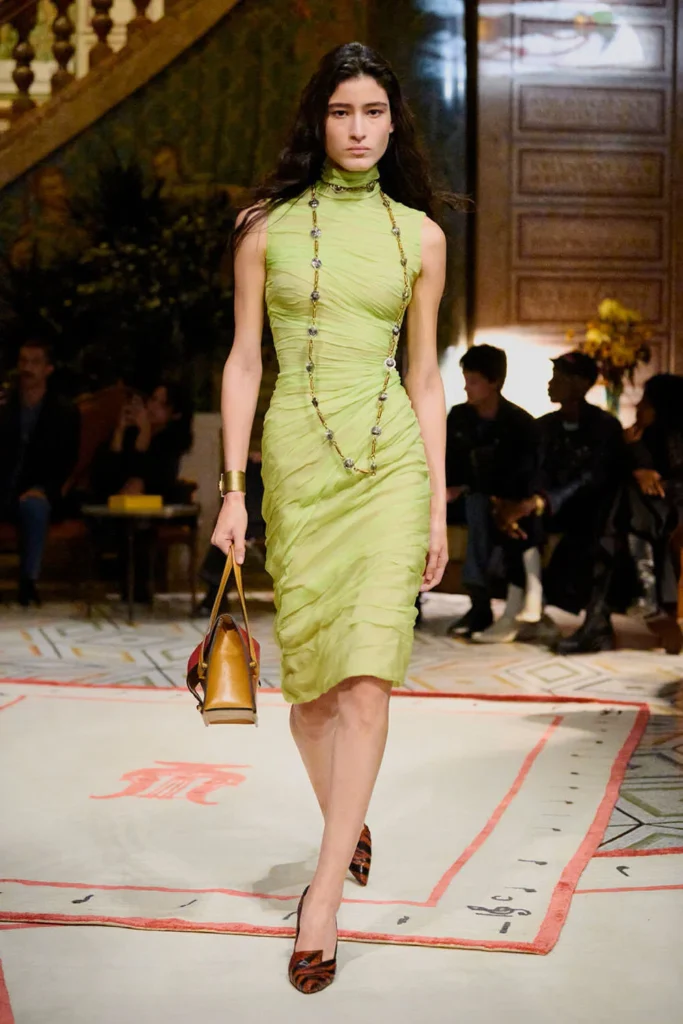
The presence of independent critics has fundamentally changed how celebrities and their stylists approach public appearances. In what is often referred to as the "TLo Effect," the rigorous breakdown of red-carpet looks has forced a higher level of intentionality in celebrity branding. The analysis provided by the site often goes beyond "who wore it better," focusing instead on the "narrative" of the clothes—how a specific dress choice might signal a shift in a star’s career trajectory or pay homage to a specific cinematic era.
Stylists, once the behind-the-scenes architects of fame, have become public figures in their own right, partly because of the spotlight shone on them by digital critics. The reaction from the industry has been a mix of caution and cooperation. While some PR firms initially resisted the bluntness of digital-native critics, many now recognize the value of a positive review from a platform with a dedicated, informed readership. The "disclaimer" culture is a byproduct of this professionalization; by establishing clear boundaries, independent sites can provide honest critiques without the constraints of corporate "synergy" that often muffle the voices of writers at major network-owned publications.
Strategic Implications for the Future of Digital Publishing
The survival of independent media in 2025 and beyond depends on a multi-pronged approach to monetization and legal protection. For sites like Tom and Lorenzo, the transition to a model that includes podcasting (Pop Style Opinionfest), book publishing, and affiliate revenue is a blueprint for others. The reliance on programmatic advertising has become increasingly volatile due to the rise of ad-blockers and changes in Google’s search algorithms. Consequently, building a "brand" that exists across multiple formats is essential.
Moreover, the rise of Artificial Intelligence (AI) in content creation poses a new challenge. The 2006-2025 copyright notice is a defensive wall against the scraping of intellectual property by Large Language Models (LLMs). As AI begins to summarize and aggregate content, independent sites must emphasize the "human" element of their analysis—the wit, the historical context, and the unique perspective that an algorithm cannot replicate.
Conclusion: The Enduring Value of the Independent Voice
The journey of Tom and Lorenzo from a fan-based blog to a respected institution of cultural criticism illustrates the power of niche expertise. By maintaining a professional journalistic tone and adhering to rigorous legal standards, they have survived the "blogpocalypse" that claimed many of their contemporaries. Their platform serves as a reminder that in a media environment saturated with "clickbait" and AI-generated summaries, there remains a significant market for deep-dive analysis and informed opinion.
As the legal disclaimers on their site suggest, the relationship between independent creators and corporate media is one of "calculated distance." By explicitly stating their lack of affiliation with giants like HBO or Amazon, they preserve the most valuable asset any critic possesses: their credibility. In the next decade of digital media, the ability to balance this independence with the logistical requirements of a global digital platform will likely define the success of the next generation of cultural commentators. The legacy of Tom and Lorenzo is not just in the archives of fashion history, but in the professional framework they have built for independent digital journalism.