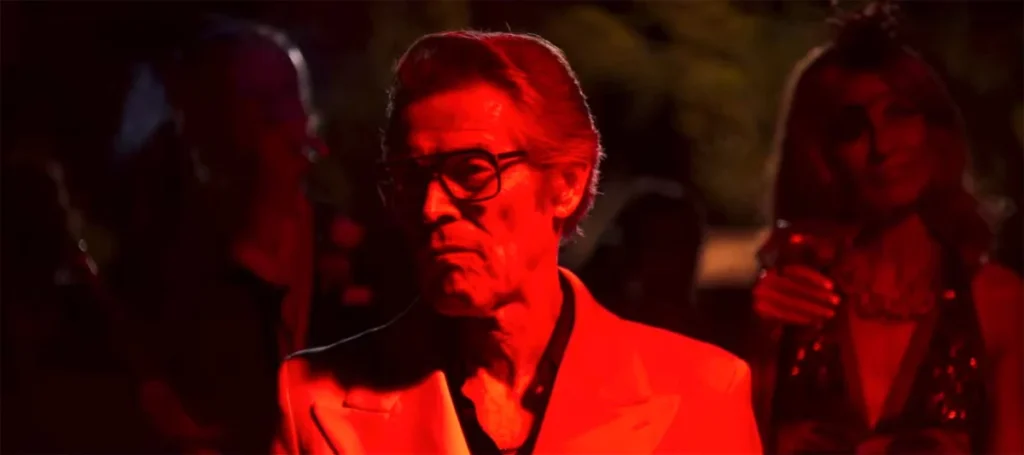

The cinematic landscape is set to be graced with a potent blend of familial drama, opulent excess, and underlying tension with the forthcoming US release of Miguel Ángel Jiménez’s latest directorial effort, The Birthday Party. Scheduled to debut in select theaters and on video-on-demand platforms on June 5th, 2026, the film promises a deep dive into the complexities of power, legacy, and fractured relationships, anchored by a compelling performance from veteran actor Willem Dafoe. The official trailer, recently unveiled by Quiver Distribution, offers a tantalizing glimpse into this Mediterranean-set thriller, hinting at a lavish celebration poised to unravel under the weight of hidden agendas and deeply ingrained familial conflict.
A Lavish Celebration on a Private Island
The Birthday Party transports audiences to the late 1970s, where the sun-drenched shores of a private Mediterranean island serve as the opulent backdrop for a pivotal event: the 25th birthday of Sofia, the sole heiress of Marcos Timoleon. Portrayed by Willem Dafoe, Timoleon is depicted as a formidable, Aristotle Onassis-esque tycoon, a man accustomed to absolute control and the unyielding pursuit of his ambitions. The birthday party, ostensibly a grand gesture of paternal affection, quickly transforms into a stage for multifaceted dramas, as various individuals converge on the island, each harboring their own objectives and desires that intersect with Timoleon’s carefully constructed world.
The film’s narrative is deeply rooted in the dynamics of power and possession, a theme explicitly articulated by director Miguel Ángel Jiménez. In a statement reflecting on the film’s genesis, Jiménez described The Birthday Party as an exploration of "power, legacy, love mistaken for possession, and the quiet violence within privilege – set on a paradise island that slowly reveals itself as a prison." This thematic undercurrent suggests that the island, a symbol of Timoleon’s immense wealth and influence, also functions as a gilded cage, trapping its inhabitants within its confines and the suffocating grip of its patriarch.

Unveiling the Narrative Layers
The trailer hints at a narrative rich with subtext and escalating tension. While the initial festivities appear to be a celebration of wealth and status, the underlying currents suggest a brewing storm. Sofia, played by Vic Carmen Sonne, is poised to deliver significant news of her own, potentially challenging her father’s meticulously planned future and his vision for her inheritance. This impending clash between father and daughter forms the emotional core of the film, promising a "heartbreaking climax" as their opposing desires and perspectives collide.
Beyond the central father-daughter dynamic, the ensemble cast suggests a broader tapestry of intrigue. Joe Cole, Emma Suárez, Christos Stergioglou, Antonis Tsiotsiopoulos, and Elsa Lekakou round out a cast that is likely to embody the various guests with their own agendas. These characters, drawn to the island by the allure of Timoleon’s influence and wealth, could range from business associates seeking lucrative deals to estranged family members or even those harboring resentments from the past. The interplay between these characters and the central figures will undoubtedly contribute to the film’s complex web of relationships and power plays.
A Look Back and Forward: Chronology of Release
The Birthday Party‘s journey to American screens has been a gradual one, with its initial premiere occurring at the prestigious Locarno Film Festival in 2025. This early screening provided the first glimpse of the film to international audiences and critics, setting the stage for its subsequent festival run across Europe. The release of an initial trailer following its Locarno debut generated considerable interest, particularly for its strong ensemble cast and the presence of Willem Dafoe in a leading role.
The decision by Quiver Distribution to bring The Birthday Party to the US market in June 2026 signifies a strategic move to capitalize on the summer release window, a period often associated with significant cinematic events. The dual release strategy, encompassing both theatrical engagements and digital availability, aims to broaden the film’s accessibility to a diverse audience. This approach reflects a growing trend in the distribution of independent films, catering to both traditional cinema-goers and those who prefer the convenience of home viewing.

Artistic Vision and Literary Roots
Miguel Ángel Jiménez, a Spanish filmmaker with a diverse filmography including Seagull, The Night Watchman, and Window to the Sea, brings a distinct artistic sensibility to The Birthday Party. His previous works often delve into introspective character studies and explorations of complex human emotions, suggesting a nuanced approach to the film’s themes of power and familial discord. The screenplay, co-written by Jiménez himself, along with Giorgos Karnavas and Nicos Panagiotopoulos, is based on the novel by Panos Karnezis. The literary source material likely provides a rich foundation for the intricate plotting and thematic depth that audiences can expect.
The production itself is a testament to international collaboration, with contributions from Heretic, Fasten Films, Lemming Film, and Raucous Pictures. This collaborative effort underscores the global appeal of the project and the shared vision of filmmakers and producers from various European countries. Such cross-border productions often result in a unique fusion of cultural perspectives and creative energies, potentially enriching the film’s visual and narrative tapestry.
Supporting Data and Contextual Analysis
The late 1970s setting of The Birthday Party is not merely a stylistic choice but also a period of significant global economic and social shifts. This era was characterized by burgeoning globalization, the rise of powerful multinational corporations, and increasing public scrutiny of the wealthy elite. The character of Marcos Timoleon, a "tycoon," likely reflects the archetypes of powerful industrialists and financiers who wielded considerable influence during this time. The film’s exploration of his "power, legacy, and privilege" can be viewed through the lens of the societal anxieties and debates surrounding wealth inequality and corporate responsibility that were prevalent in the late 20th century.
The "paradise island" as a setting further amplifies these themes. Such locations, often associated with exclusivity and escapism, can also serve as microcosms where the inherent tensions of class, power, and morality are brought into sharp relief. The trailer’s suggestion that the island "slowly reveals itself as a prison" implies a descent from idyllic luxury into a more suffocating reality, where the characters’ true natures are exposed under the pressure of their circumstances.

Inferred Reactions and Broader Implications
While direct statements from all cast and crew beyond the director’s thematic description are not yet widely available, the caliber of talent involved – particularly Willem Dafoe, known for his intense and often morally ambiguous portrayals – suggests a commitment to delivering a performance that will resonate with audiences. Dafoe’s presence alone often signals a film that delves into darker, more complex psychological territories. His interpretation of a controlling patriarch facing a challenge to his authority is likely to be a central draw for cinephiles.
The film’s themes of familial obligation, the corrupting influence of wealth, and the search for autonomy within patriarchal structures are timeless and universally relevant. In an era where discussions about legacy, inheritance, and the responsibilities of the affluent are increasingly prominent, The Birthday Party is poised to offer a compelling fictional examination of these issues. Its release in 2026 comes at a time when societal conversations about these topics are ongoing, potentially making the film a subject of critical discussion and cultural relevance.
The decision to release the film simultaneously in theaters and on VOD platforms indicates a strategic adaptation to the evolving media consumption habits of audiences. This approach aims to maximize reach and engagement, ensuring that the film can be experienced by as wide a demographic as possible, from dedicated film enthusiasts seeking the big-screen experience to those who prefer the flexibility of digital access. As the June 5th release date approaches, anticipation is building for The Birthday Party to offer a thought-provoking and visually striking cinematic experience.